China Top Types of Transformers You Should Know About?
Transformers are crucial components in electrical systems, acting to modulate voltage levels. In China, the transformer market has grown substantially. According to a recent industry report, the demand for various types of transformers is set to increase by 6% annually. This growth reflects the country's ongoing urbanization and infrastructure developments.
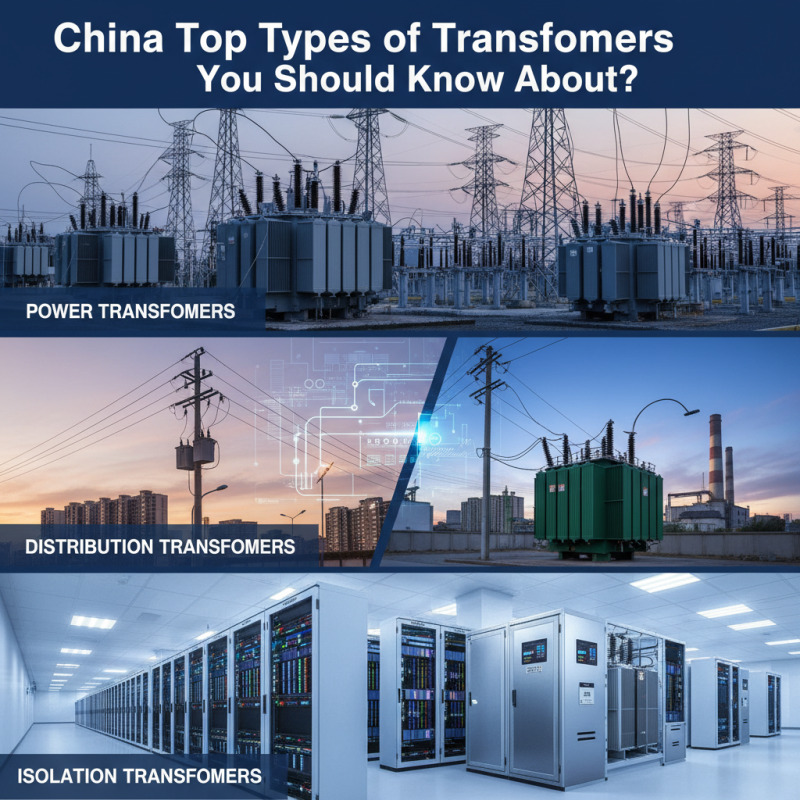
Among the multiple types of transformers, understanding their specifications is vital. The most common types include power transformers, distribution transformers, and isolation transformers. Each type serves a distinct function while contributing to the efficiency of power systems. Power transformers, for example, typically operate at high voltages and are essential for transmission networks.
However, there are challenges associated with different types of transformers. Quality control and design optimization remain significant issues. Companies often face difficulties in selecting the right transformer type, leading to inefficiencies. The future of transformer technology looks promising, but careful consideration is necessary to maximize performance and reliability.
Types of Transformers Commonly Used in China
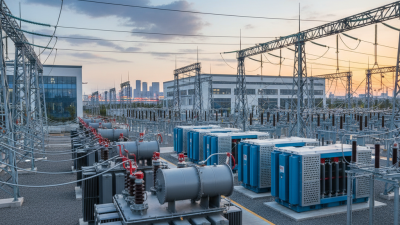
China is a hub for various transformer types, catering to diverse electrical needs. One of the most common types is the distribution transformer. These transformers step down voltage levels, making them crucial for residential and commercial use. They feature durable construction to withstand harsh environments. Often, you can find them mounted on utility poles or located in substations.
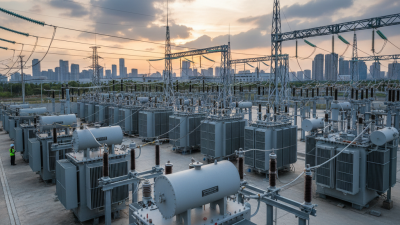
Another significant category is the power transformer. These are vital in high-voltage transmission systems. Their primary role is to transfer electrical energy between circuits. Power transformers are larger and designed for efficiency. They require meticulous maintenance due to their impact on grid stability. In complex networks, understanding how these transformers operate is essential.
Additionally, we see special-purpose transformers like isolation transformers. These devices provide safety by isolating circuits. They help prevent electric shock and protect sensitive equipment from surges. While they serve a crucial role, not every setup may require them. Thus, evaluating needs becomes vital for optimal performance.
Overview of Power Transformers and Their Applications
Power transformers play a critical role in electrical power systems. They are essential for stepping up or down voltage levels for efficient power transmission. According to a report by MarketsandMarkets, the global power transformer market is projected to reach $60 billion by 2025, driven by increasing power demand and infrastructure investments.
These transformers are widely used in various applications, from industrial plants to renewable energy systems. They ensure the safe delivery of electricity over long distances. In urban environments, they help minimize energy loss. However, it's important to note that improper installation or maintenance can lead to failure, which significantly impacts power supply reliability.
Tips: Regular maintenance is key. Routine inspections can identify issues before they escalate. Be aware of energy losses in older transformers as well; upgrading can lead to better efficiency and lower operational costs. The need for reliable transformers in developing regions is increasing, highlighting the importance of sustainable practices in manufacturing and operation.
Understanding Distribution Transformers in Urban Areas
Urban areas require efficient power distribution. Distribution transformers play a crucial role in meeting this demand. They step down high voltage electricity to a safer level for residential and commercial use. These transformers are typically located close to end-users. This placement minimizes power loss and enhances reliability.
The construction of distribution transformers is often tailored for specific environments. In densely populated cities, compact designs are essential. These transformers must also endure harsh weather conditions. They can be found on rooftops, in basements, or within street infrastructure. However, their installation poses challenges. Noise and space constraints can lead to conflicts with urban planning.
Understanding the functioning and installation of distribution transformers is vital. Proper maintenance ensures safety and efficiency. Regular checks can prevent failures that lead to outages. Yet, many cities struggle with outdated transformers. Upgrading these systems can be costly and complex. The balance between modernization and budget remains a pressing issue. Each city's unique landscape impacts how solutions are tailored.
Emerging Trends in Transformer Technology in China
Emerging trends in transformer technology in China highlight significant advancements.
Smart transformers are gaining attention for their ability to monitor and adjust performance in real-time.
This helps improve efficiency and reliability in power distribution. Enhanced monitoring systems can detect faults early, reducing downtime and maintenance costs.
Another trend is the shift toward eco-friendly materials. Manufacturers are exploring alternatives to traditional insulating oils and metals.
This aims to minimize environmental impact while maintaining performance. Research shows that greener transformers can improve sustainability in energy consumption.
China is also focusing on compact designs. Smaller transformers are easier to install and can be used in various applications.
However, there are challenges. As transformers shrink, managing heat dissipation becomes crucial.
Engineers must find new ways to manage thermal issues effectively. The journey toward more efficient designs continues, prompting discussions on trade-offs between size and performance.
These emerging trends require careful consideration and innovative solutions to shape the future of transformer technology in China.