2026 Best Core Type Transformer Innovations and Trends?
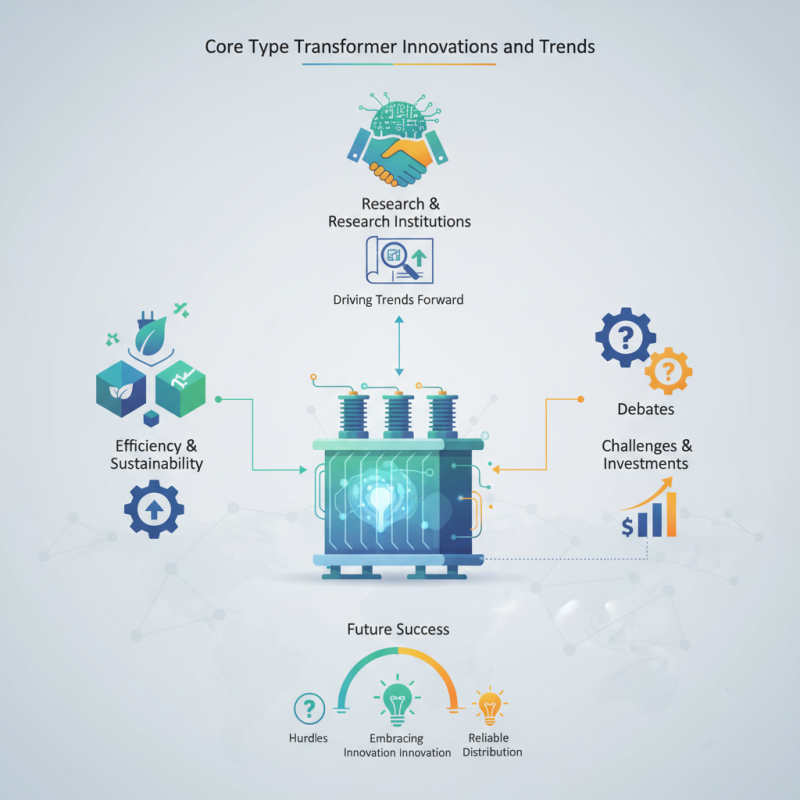
The landscape of electrical engineering is rapidly evolving, especially in the field of transformers. Core Type Transformers are central to this evolution, and their innovations hold significant promise. In 2026, we anticipate remarkable advancements that reflect both efficiency and sustainability. These innovations could redefine power distribution, making it more reliable and accessible.
Despite the exciting prospects, there are challenges to consider. Some designs may prove less efficient than traditional models, leading to debates among engineers. Furthermore, implementing these innovations could demand substantial investments. The balance between adopting new technology and ensuring performance remains critical.
Experts emphasize the importance of research in driving these trends forward. Collaboration between industry leaders and research institutions is key. Staying informed about these developments will help us understand the trajectory of Core Type Transformers in the coming years. Embracing innovation while recognizing the hurdles is essential for future success.
Innovations in Core Materials for Transformers in 2026
In 2026, innovations in core materials for transformers are pivotal. Engineers are focusing on enhancing energy efficiency. One major trend is using amorphous steel. This material has lower energy losses compared to traditional silicon steel. The impact on performance is significant, especially in wind and solar energy applications.
Another exciting development is nanocrystalline materials. These offer excellent magnetic properties with reduced weight. This advancement aids in compact transformer designs. Compact designs often lead to enhanced deployment flexibility. However, manufacturers must balance cost and performance. Using new materials can be expensive initially.
Tips: Consider the lifecycle of transformer materials. Investing in sustainable options can yield long-term savings. Additionally, stay updated on material science research. Innovations often emerge rapidly. Collaborating with material scientists may provide a competitive edge. It’s essential to remain agile in adopting new technologies.
Emerging Trends in Transformer Design and Manufacturing Techniques
The landscape of transformer design is evolving rapidly. Innovations in manufacturing techniques are shaping the future. New materials are enhancing efficiency and reducing waste. Lightweight components are becoming standard, which helps in energy savings during operation.
Tips: Consider exploring how materials science can affect transformer longevity and performance.
Sustainability is a major focus. Manufacturers are increasingly adopting eco-friendly practices. Techniques like additive manufacturing are minimizing material use while maximizing precision. The shift to smart technologies is also noteworthy. These advancements can lead to improved performance monitoring and maintenance.
Tips: Evaluate the long-term benefits of integrating smart monitoring systems in your transformer design.
Identifying suitable production methods remains challenging. The pace of innovation may outstrip traditional practices. Companies must remain agile. Adaptability will be crucial in a competitive market. Organizations should balance speed with thorough testing to ensure reliability.
Impact of Smart Technology on Transformer Efficiency and Performance
Smart technology is reshaping the landscape of transformer efficiency and performance. In recent years, advanced monitoring systems have emerged. These systems utilize IoT sensors to track temperature, vibration, and load conditions. This continuous data collection allows for early fault detection. Maintenance teams can address issues before they escalate, improving overall reliability.
The integration of artificial intelligence also plays a crucial role. AI algorithms analyze vast amounts of operational data. They identify patterns and predict failures with impressive accuracy. This predictive maintenance approach reduces downtime and cuts costs. However, reliance on technology raises questions about cybersecurity. As transformers become smarter, they may also become more vulnerable to cyber attacks.
Despite these advancements, challenges remain. Many transformers in use today still lack smart capabilities. Upgrading older systems can be costly and complex. Additionally, the data generated needs skilled personnel to interpret. Balancing technology implementation with workforce training is essential. As the industry evolves, fostering a culture of innovation and adaptability will be key.
2026 Best Core Type Transformer Innovations and Trends
Sustainability Practices in Core Type Transformer Production
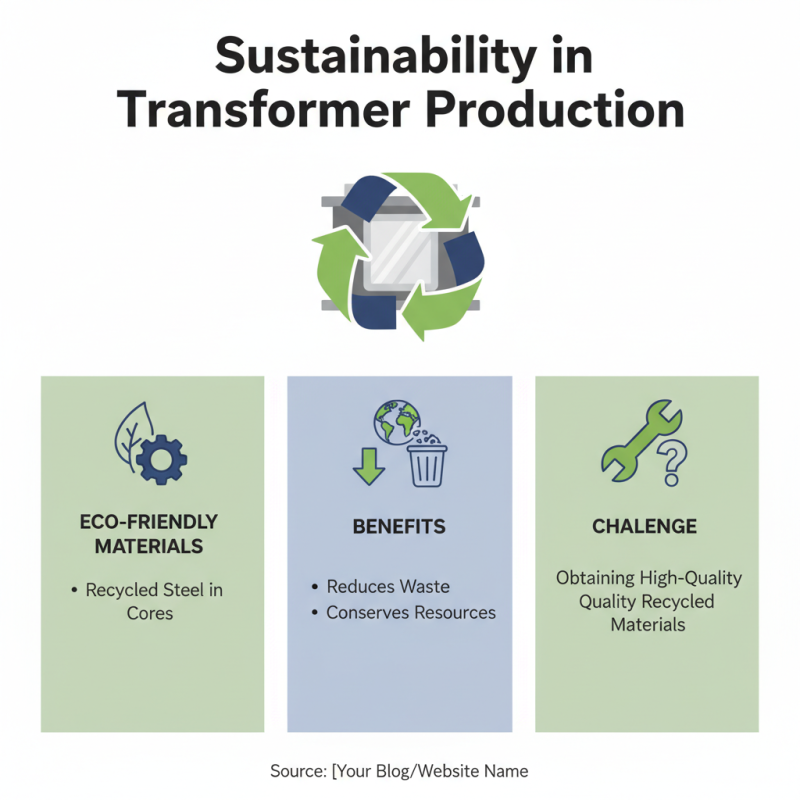
Sustainability in core type transformer production is gaining momentum. Manufacturers are focusing on eco-friendly materials. The use of recycled steel in transformer cores is becoming a standard practice. This shift reduces waste and conserves natural resources. However, obtaining high-quality recycled materials remains a challenge.
Energy-efficient designs are also evolving. New innovations aim to minimize energy losses during operation. This approach not only improves performance but also supports environmental goals. Yet, balancing efficiency with production costs often results in compromises. The energy-efficient models may have higher upfront costs, which can deter adoption.
Implementing sustainable practices requires widespread industry commitment. Collaboration among manufacturers, suppliers, and policymakers is essential. While progress is being made, obstacles persist. Factors such as inconsistent regulations and market demands must be addressed. The journey towards fully sustainable transformer production is ongoing, and reflections on current practices are crucial for future advancements.
Future Challenges and Opportunities in the Transformer Industry
The transformer industry faces significant challenges in the coming years. Environmental regulations are tightening. This puts pressure on manufacturers to innovate. They must reduce greenhouse gas emissions and improve energy efficiency. Adapting to these regulations is not just a challenge; it is an opportunity for growth.
Moreover, the demand for renewable energy systems is rising. Transformers must evolve to handle fluctuating energy inputs. This shift leads to new designs and technologies. Engineers are exploring smart transformers that integrate with smart grids. These advancements can enhance reliability and performance.
However, there remains a gap between innovation and implementation. Developing new technologies is costly and time-consuming. Many companies may hesitate to invest, fearing potential financial losses. Reflecting on these challenges can inspire proactive solutions that benefit the industry as a whole. Embracing the future means addressing these issues head-on, fostering a culture of innovation and resilience.