Top 10 Benefits of Box Type Substation Series for Efficient Power Distribution
In the realm of modern electrical engineering, the "Box Type Substation Series" stands out as a pivotal advancement. These substations play a crucial role in efficient power distribution. They are designed to enhance operational reliability and improve energy management. Integrating these units into power networks can significantly reduce energy losses. Their compact design allows for installation in diverse environments.
Aside from efficiency, the Box Type Substation Series offers remarkable flexibility. This variety enables customization according to specific energy needs. Despite the benefits, some users might find the initial setup cost challenging. However, in the long run, the investment proves worthwhile through substantial energy savings.
Moreover, these substations can respond to evolving energy demands. In an age where renewable energy sources are gaining traction, adapting substations is critical. While this innovation showcases remarkable potential, continuous enhancements are necessary. This will ensure that the Box Type Substation Series remains at the forefront of efficient power distribution solutions.
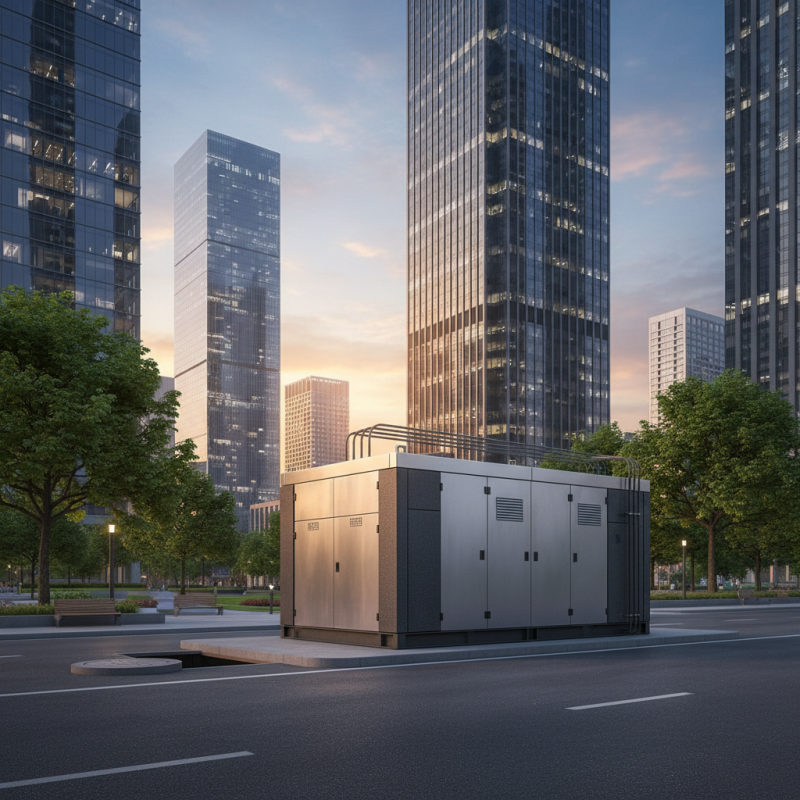
Overview of Box Type Substation Series in Power Distribution
Box type substations are integral to modern power distribution systems. These compact systems enhance the efficiency of electricity supply in urban and rural areas. According to a report by the International Energy Agency, about 19% of the global energy supply comes from renewable sources, highlighting the need for advanced distribution methods. Box type substations facilitate this transition by providing reliable and compact solutions for energy distribution, especially in zones where space is limited.
Their design promotes ease of transportation and installation. Many models are prefabricated, reducing time on-site. Data from the Energy Networks Association suggests that the reduction of installation time can improve project timelines by up to 30%. Additionally, the modular structure allows for tailored configurations, making them adaptable to various environments. However, not all installations run seamlessly. Some locations experience challenges with cooling efficiency, especially in high-temperature regions.
Maintenance is another critical aspect. While box type substations require less upkeep, failures can occur. According to the Institute of Electrical and Electronics Engineers, regular inspections and upgrades are necessary to maintain optimal performance. This requirement sometimes leads to unplanned outages, sparking debate within the industry. Continuous development and adherence to best practices are crucial to maximizing the benefits of these substations in efficient power distribution.
Key Features of Box Type Substations for Energy Efficiency
Box type substations offer significant advantages in power distribution. They are compact solutions, making them ideal for urban areas with limited space. These stations are designed for efficiency. They enhance energy saving by minimizing losses during distribution. High-quality materials improve durability and reduce maintenance needs.
One of the critical features is their modular design. This allows for easy expansion or modification. Technicians find them easier to access for repairs. Advanced technology, like smart monitoring systems, optimizes energy flow. Real-time data helps in identifying issues promptly. However, improper installation can pose risks and increase operational costs.
Safety is a primary concern. Built-in safety features, like circuit protection, help prevent accidents. However, regular inspections are necessary to ensure everything functions correctly. Users often overlook this aspect, leading to potential hazards. By focusing on efficiency and safety, box type substations represent a promising solution for modern energy distribution challenges.
Benefits of Compact Design in Box Type Substations
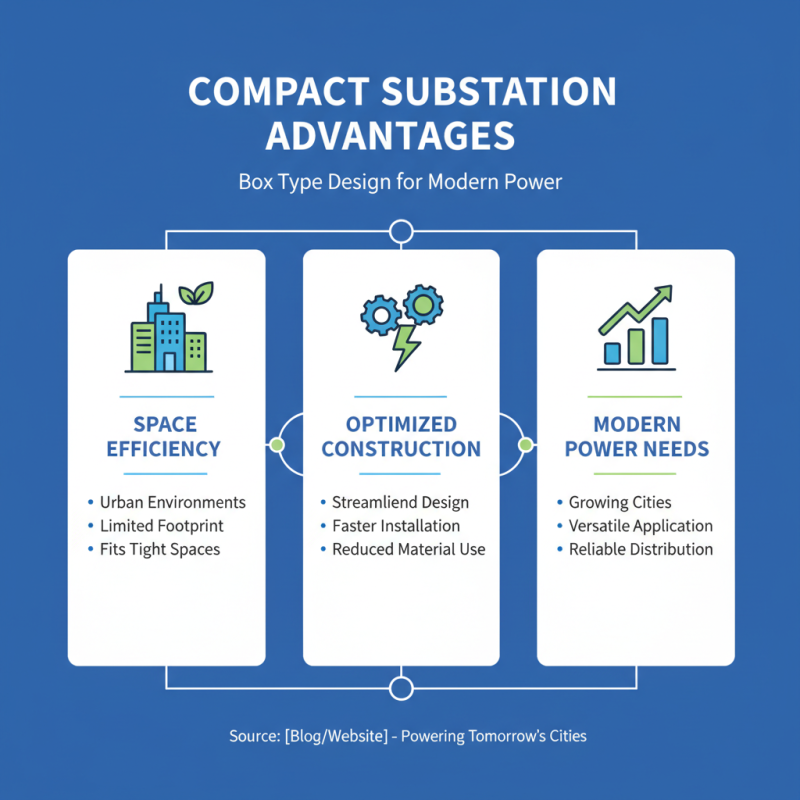
The compact design of box type substations presents numerous advantages for modern power distribution needs. These substations are versatile and can fit in limited spaces, making them ideal for urban environments. Their streamlined construction helps reduce the footprint, allowing for installations in areas where traditional substations may be impractical. This efficiency is crucial in today's rapidly growing cities.
Additionally, the compact design contributes to quicker installation times. With pre-fabricated components, setup can often be completed in a fraction of the time required for conventional systems. This efficiency is beneficial for projects on tight schedules. However, a smaller size may lead to challenges, such as limited expandability in the future.
Moreover, box type substations are often easier to maintain due to their integrated designs. Technicians can access key components without extensive site preparation. This simplicity can minimize downtime and enhance reliability. Still, it's essential to evaluate the balance between size and capacity, as reduced dimensions might compromise certain functionalities. Keeping a close eye on these factors is critical for long-term success.
Cost-Effectiveness of Box Type Substations in Power Distribution
Box type substations are increasingly recognized for their cost-effectiveness in power distribution. These compact units provide a reliable solution for urban and rural areas alike. With reduced installation costs, they offer a smart alternative to traditional substations. Savings on land acquisition and construction costs can be significant.
Tips: Evaluate your site's specific needs before selecting a substation. Understand the local power demands to make informed decisions.
Another advantage is the reduced maintenance expenses. Box type substations require less upkeep due to their durable design. This results in lower long-term operational costs. However, not all installations may enjoy these benefits equally. Unplanned outages can still occur, affecting efficiency.
Tips: Regularly inspect equipment to avoid unexpected failures. Develop a maintenance schedule that aligns with the substation's usage.
Incorporating box type substations helps streamline power distribution. They can be strategically placed to access remote areas, reducing transmission losses. This is not always straightforward, though. Each site poses unique challenges that must be addressed carefully.
Top 10 Benefits of Box Type Substation Series for Efficient Power Distribution
This bar chart illustrates the top 10 benefits of Box Type Substations in power distribution. Each benefit is rated on a scale of 1 to 10, highlighting their importance in enhancing efficiency and reducing costs in the power distribution sector.
Environmental Advantages of Implementing Box Type Substations
The implementation of box type substations brings significant environmental benefits to power distribution. These compact systems help reduce the physical footprint often associated with traditional substations. With a smaller size, they require less land, preserving green spaces and habitats. According to the International Energy Agency (IEA), using advanced technologies can enhance energy efficiency by up to 30%. This not only minimizes resource use but also reduces emissions.
In addition to conserving land, box type substations have improved noise shielding compared to older models. The use of better insulation materials minimizes sound pollution. A report from the World Health Organization (WHO) highlights that maintaining lower noise levels is crucial for community health. This is especially important in densely populated areas, where excessive noise can lead to adverse health effects.
**Tips:** Regular maintenance of these substations is essential. Check for any potential leaks or insulation wear. Ensuring that these units operate efficiently also aids in reducing their environmental impact. Remember, while they offer many advantages, their effectiveness must be monitored closely for continuous improvement.
Top 10 Benefits of Box Type Substation Series for Efficient Power Distribution - Environmental Advantages of Implementing Box Type Substations
| Benefit |
Description |
Environmental Impact |
| Space Efficiency |
Compact design reduces the land requirement for installations. |
Minimizes deforestation and habitat disruption. |
| Reduced Noise Pollution |
Incorporates noise reduction technologies. |
Less noise impact on nearby communities. |
| Improved Energy Efficiency |
Optimized designs enhance energy distribution efficiency. |
Reduces overall energy waste and emissions. |
| Lower Carbon Footprint |
Facilitates integration with renewable energy sources. |
Encourages sustainable energy practices. |
| Enhanced Safety |
Designed for reduced risk of electrical hazards. |
Promotes sustainable infrastructure safety standards. |
| Flexibility of Location |
Can be deployed in diverse environments. |
Enables off-grid solutions, reducing reliance on traditional power grids. |
| Reduced Visual Impact |
Design aesthetics mitigate visual disruption in landscapes. |
Preserves natural vistas and heritage sites. |
| Quick Installation |
Rapid deployment reduces construction time. |
Less environmental disruption during setup. |
| Aging Infrastructure Replacement |
Replaces outdated systems with modern equivalents. |
Promotes efficient resource use and waste reduction. |
| Cost-Effectiveness |
Economical in terms of installation and maintenance. |
Facilitates more funds for environmental initiatives. |