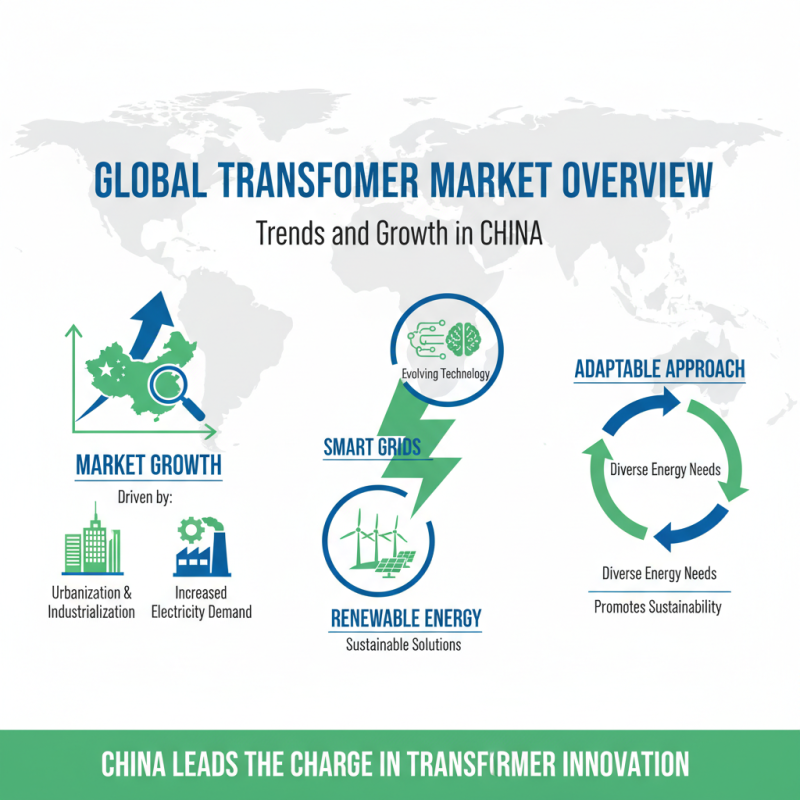
Discover the Best Transformer Types in China Today?
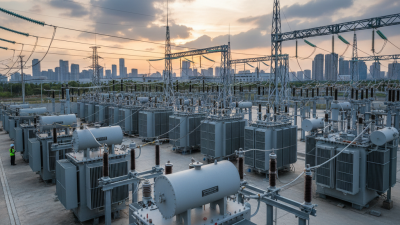
In the realm of electrical engineering, understanding various Transformer Types is essential. China has emerged as a leader in transformer manufacturing. The advancements in technology have led to a wide range of transformer options, meeting diverse industrial needs.
Each transformer type serves specific functions in various applications. Oil-immersed transformers and dry-type transformers are among the most popular. Their construction and design impact performance significantly. However, selecting the right transformer can be challenging. Manufacturers differ in quality and reliability, which complicates decisions for potential buyers.
Exploring the best transformer types involves examining performance, efficiency, and safety. Each decision should be well-informed and based on thorough research. It's crucial to weigh the pros and cons of each type. Gaining insights into market trends can support better choices. However, even with extensive research, some uncertainties may remain. Understanding transformer types today is a journey worth taking for any industry professional.
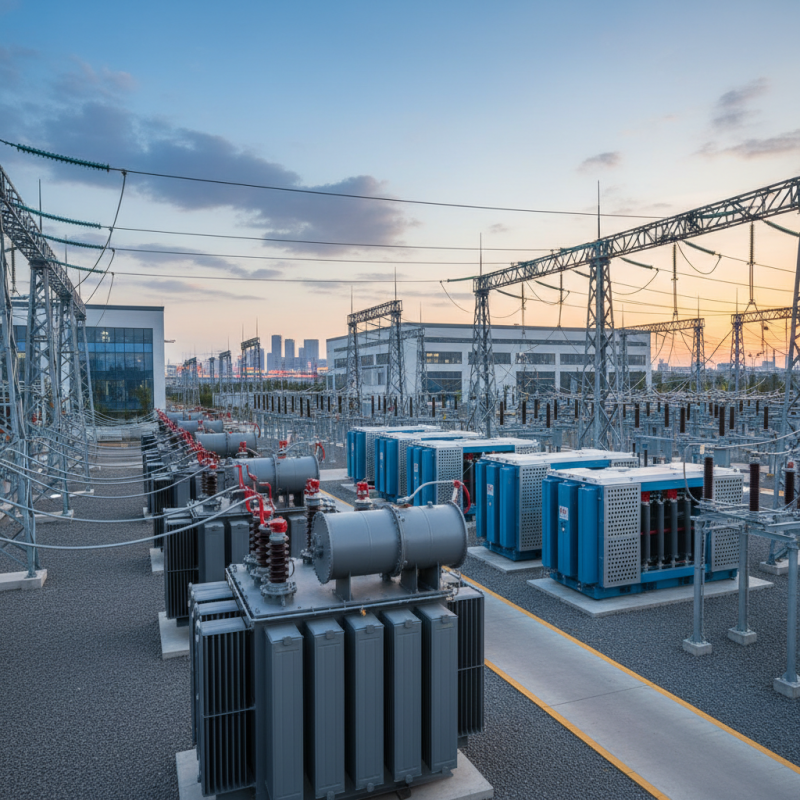
Understanding Transformer Types: Key Features and Functions
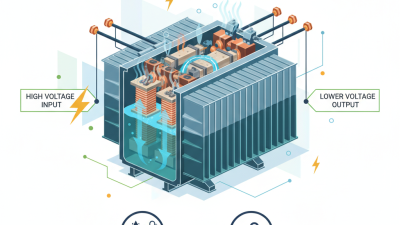
Transformers are crucial in electrical systems, converting voltage levels for efficient power distribution. In China, different transformer types meet diverse needs. Understanding these types aids in selecting the right one for your specific requirements.
A key type is the power transformer. These handle high voltage levels, often exceeding 100 kV, making them essential for transmission lines. According to the China Electricity Council, the demand for power transformers is expected to grow, driven by urbanization and industrial expansion. Another significant type is the distribution transformer, commonly found in residential areas. These typically operate at lower voltages, offering reliable power to homes and businesses.
**Tips:** When choosing a transformer, consider its load capacity and efficiency rating. A mistake here can lead to energy loss. Regular maintenance is also essential to ensure longevity and performance.
Another important type is the isolation transformer, which provides electrical separation. These protect equipment from spikes and noise. With the fast pace of technological advancement, the need for reliable transformers increases. Industry reports indicate a rising interest in smart transformers that offer advanced monitoring capabilities.
**Tips:** Always verify the transformer’s specifications against your project needs. Overloading transforms can lead to failures. Take time for thorough research before making a decision.
Discover the Best Transformer Types in China Today
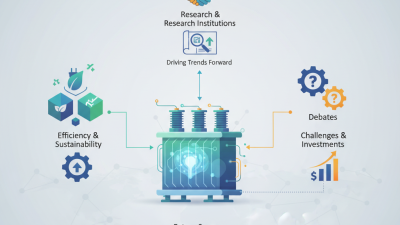
This chart illustrates the different types of transformers used in China today, showcasing their key features and functions.
Power Transformers: Applications in Renewable Energy and Infrastructure
Power transformers play a vital role in modern renewable energy and infrastructure. Their ability to efficiently manage high voltage electricity is crucial. With increasing investments in solar and wind power, these transformers are essential. They ensure a stable energy supply while minimizing losses. In wind farms, transformers convert generated electricity to higher voltages for transmission. This process is critical for integrating renewable energy into the grid.
In addition to renewable energy, power transformers support infrastructure projects. They are often used in urban development, powering buildings and transportation systems. Their reliability directly affects energy distribution in cities. However, infrastructure can sometimes lead to inefficiencies. Aging transformers may not perform as expected. This aspect raises concerns about maintenance and upgrades.
Addressing these challenges is important for future energy needs. Developing smart transformers could improve efficiency. These innovations may help in better monitoring and management of energy flow. As technology evolves, it is essential to reflect on existing practices. Balancing cost and performance will enhance the reliability of power transformers in the long run.
Discover the Best Transformer Types in China Today
| Transformer Type |
Max Power (MVA) |
Voltage Level (kV) |
Applications |
Beneficial Features |
| Oil Immersed Transformer |
250 |
110 |
Renewable Energy, Industrial |
High Efficiency, Longevity |
| Dry Type Transformer |
100 |
33 |
Commercial Buildings, Wind Farms |
Low Maintenance, Environmental Safety |
| Cast Resin Transformer |
150 |
20 |
Urban Utilities, Renewable Sources |
Fire Resistance, Compact Size |
| Multi-winding Transformer |
300 |
132 |
Solar Farms, Smart Grids |
Flexible Configuration, High Performance |
Distribution Transformers: Role in Urban Electrification and Smart Grids
Distribution transformers are essential for urban electrification and smart grids. They convert high-voltage electricity to a lower voltage, making it usable in homes and businesses. According to recent industry reports, the distribution transformer market in China is expected to grow by 6.5% annually, driven by urbanization and renewable energy integration.
In metropolitan areas, these transformers play a crucial role in efficiently delivering electricity. They are integral to supporting smart grid initiatives, which aim to optimize energy distribution. Efficient transformer designs can reduce energy losses up to 10%. However, the challenge remains in upgrading aging infrastructure to meet increasing demand.
Tips: Regular maintenance of distribution transformers can help prolong their lifespan. Monitoring energy efficiency is vital, as improvements can lead to significant savings. Also, consider implementing smart technology for real-time performance tracking. This can detect issues before they escalate, ensuring reliability in power supply.
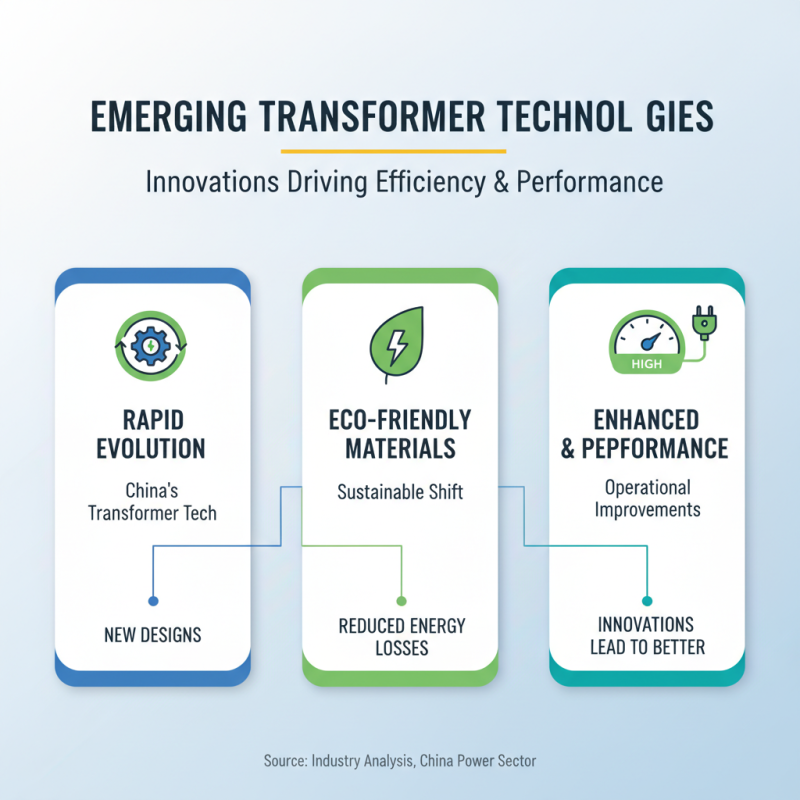
Emerging Transformer Technologies: Innovations Driving Efficiency and Performance
Transformer technology in China is evolving rapidly. New designs focus on enhancing efficiency and performance. The shift towards eco-friendly materials is noteworthy. These innovations aim to reduce energy losses during operation.
One exciting development is the use of advanced cooling systems. This allows transformers to operate at lower temperatures, prolonging their lifespan. For instance, more innovative heat management techniques are being employed. This change is crucial as overheating can lead to failures and costly repairs.
Additionally, smart transformers are gaining popularity. They enable real-time monitoring and diagnostics. This capability helps in predicting maintenance needs, which can save time and resources. However, implementing these technologies may not be accessible for all manufacturers. Balancing cost with innovation remains a challenge in the industry.