Top 10 Types Of Transformer You Need To Know?
In the world of electrical engineering, understanding the various types of transformers is crucial. These devices play a vital role in power distribution, and they have a significant impact on energy efficiency. According to a recent report by the Global Transformer Market Research, the transformer market is expected to grow by 6% annually, reaching $45 billion by 2025. This growth reflects the increasing demand for efficient energy transmission and distribution.
Dr. Emily Carter, an esteemed expert in electrical systems, emphasizes the importance of this knowledge: "Choosing the right type of transformer can make or break an electrical project." This highlights the need for professionals to fully grasp the distinct characteristics of each type of transformer. From step-up and step-down transformers to isolation and autotransformers, each serves a specific purpose in the energy landscape.
As we delve deeper into the top 10 types of transformers, it becomes clear that each type has its benefits and challenges. Understanding these nuances is essential for engineers and technicians alike. However, many still overlook critical factors like load, efficiency, and compatibility. A thorough understanding of the "Type Of Transformer" can lead to more informed decisions and improved project outcomes. An educated choice saves time and resources in the long run.

Types of Transformers: An Overview of Their Functions and Applications
Transformers are crucial in electrical systems. They play various roles. Understanding their types can clarify their functions.
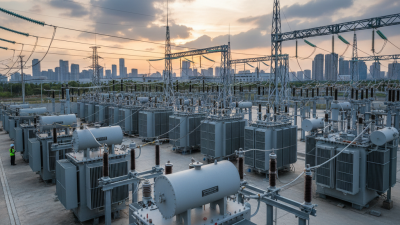
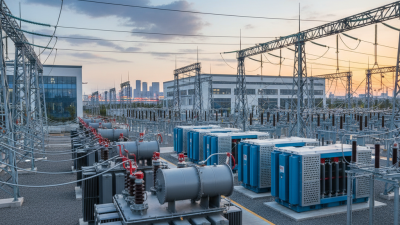
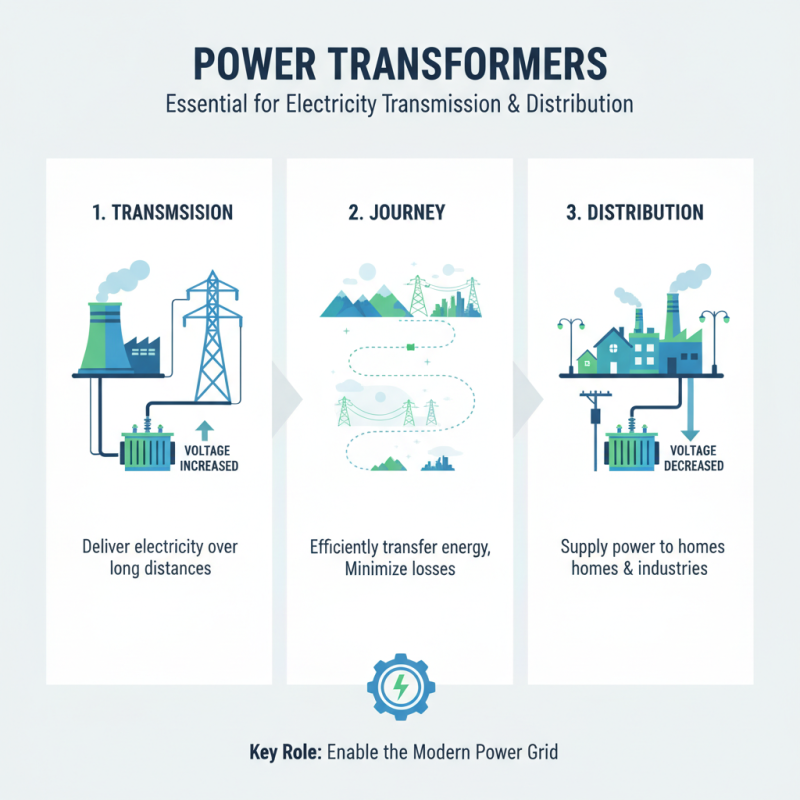
Power transformers are vital in substations. They manage high voltage for long-distance transmission.
Distribution transformers reduce voltage for local use. Both are essential for efficient energy delivery.
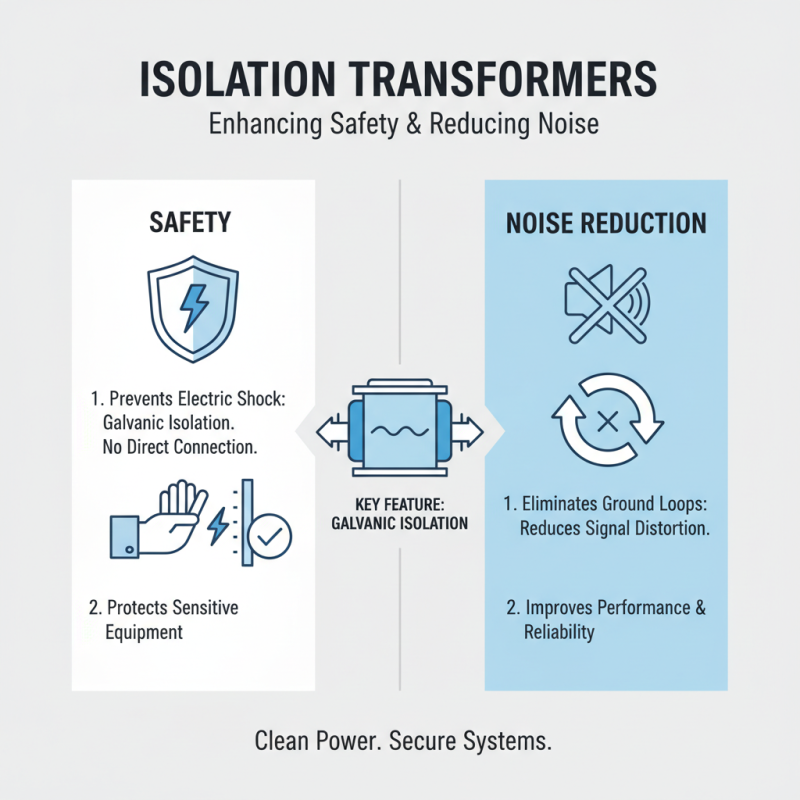
Isolation transformers enhance safety. They prevent direct electrical connection to the power source. This minimizes the risk of electric shock. Additionally,
autotransformers are used for voltage regulation. They are compact but less isolated.
Each transformer type has specific applications. It's essential to understand their limitations. Each choice impacts overall efficiency and safety in electrical systems.
Power Transformers: Essential Components in Transmission and Distribution
Power transformers play a crucial role in the transmission and distribution of electricity. These heavy-duty devices are designed to transfer electrical energy between circuits through electromagnetic induction. They allow the voltage levels to be increased or decreased efficiently, ensuring electricity can travel vast distances without significant losses. Without them, the modern power grid would struggle to operate effectively.
The design and functionality of power transformers can vary. Oil-filled transformers are common, using mineral oil for insulation and cooling. Conversely, dry-type transformers use air for cooling, proving beneficial in confined spaces. Each type has its pros and cons, affecting reliability and maintenance costs. It's essential to choose the right transformer type based on specific operational needs and environmental conditions.
Understanding the intricacies of power transformers is vital yet often overlooked. While they may seem straightforward, their installation and maintenance require expertise. Mistakes in handling transformers can lead to severe operational failures. Ensuring proper training for technicians cannot be understated. This highlights the need for continuous learning and adaptation in the ever-evolving energy sector.
Distribution Transformers: Bridging the Gap to the End User
Distribution transformers play a crucial role in the electrical grid. They step down high voltage electricity to safer levels for end users. According to industry reports, approximately 80% of the world's electricity distribution network relies on these transformers. Their efficiency directly affects energy loss during transmission, which can range from 6% to 8%.
Efficient design is key for distribution transformers. A well-designed transformer can significantly lower energy loss. For example, the use of amorphous steel in the core can enhance efficiency by up to 10% compared to traditional silicon steel. However, many transformers still use outdated materials. This suggests that ongoing innovation is necessary to improve energy conservation in the long run.
Tips: Regular maintenance enhances transformer lifespan. Inspecting connections and monitoring temperature can prevent failures. Awareness of environmental factors is essential. Proper placement away from moisture can reduce the risk of short circuits and leaks. Effective monitoring systems can help manage operational performance.
Isolation Transformers: Enhancing Safety and Reducing Noise
Isolation transformers play a crucial role in enhancing safety and reducing noise in electrical systems. They provide galvanic isolation between the input and output, ensuring that no direct electrical connection exists. This feature greatly minimizes the risk of electric shock. When working with sensitive equipment, this protection is vital. Isolation transformers also reduce the likelihood of ground loops, which can lead to signal distortion and degraded performance.
The operation of an isolation transformer is straightforward yet effective. It uses inductive coupling to transfer energy between two coils. This design keeps the primary and secondary circuits separate. Consequently, it protects delicate devices from voltage spikes and interference. In environments like hospitals or laboratories, where equipment must maintain strict functionality, these transformers are indispensable. However, one must choose the right isolation transformer based on the load requirements. Oversizing or undersizing can lead to inefficiencies.
While isolation transformers offer many benefits, they may require maintenance. They can accumulate dust over time, impacting performance. Additionally, their size can be cumbersome in compact setups. It's crucial to evaluate their placement and upkeep regularly. Understanding these aspects can enhance the effectiveness of isolation transformers in various applications.
Auto Transformers: Efficiency in Voltage Regulation and Reduction
Auto transformers are a vital component in electrical systems, offering efficiency in both voltage regulation and reduction. Unlike traditional transformers, they use a single winding, providing a more compact and lighter solution. This design reduces energy losses, making auto transformers particularly suitable for applications where size and cost are critical factors.
For those looking to implement auto transformers, consider the load characteristics. A thorough understanding of the application’s power requirements is essential. Adjustments in voltage can lead to significant energy savings. Pay attention to the wiring. Incorrect connections can affect performance, leading to inefficiencies.
Using auto transformers wisely requires careful planning. Assess the location and environmental conditions. High temperatures can impact efficiency. Regular maintenance checks are crucial for sustaining performance. Remember, even a small oversight can lead to operational setbacks. Explore different configurations to find the optimal setup. This may require trial and error, but it’s worthwhile for maximizing efficiency.
Top 10 Types Of Transformer You Need To Know
| Type |
Description |
Primary Voltage (kV) |
Secondary Voltage (kV) |
Efficiency (%) |
| Step-Up Transformer |
Increases voltage from primary to secondary side. |
2.4 |
11 |
98 |
| Step-Down Transformer |
Decreases voltage from primary to secondary side. |
11 |
0.4 |
97 |
| Isolation Transformer |
Provides electrical isolation between circuits. |
0.4 |
0.4 |
95 |
| Auto Transformer |
Offers variable voltage levels with improved efficiency. |
0.4 |
1.1 |
99 |
| Three-Phase Transformer |
Used in three-phase power applications. |
11 |
0.4 |
96 |
| Shell-Type Transformer |
Offers improved magnetic shielding. |
10 |
0.4 |
94 |
| Rectifier Transformer |
Used in DC supply systems converting AC to DC. |
11 |
3 |
90 |
| Distribution Transformer |
Distributes electrical energy to users. |
11 |
0.4 |
97 |
| Instrument Transformer |
Used for measuring current and voltage. |
5 |
0.1 |
94 |
| Oil-Immersed Transformer |
Designed for high voltage applications with oil cooling. |
33 |
11 |
98 |