Best Electrical Switchgear Solutions for Global Buyers?
In today's rapidly evolving energy landscape, selecting the right Electrical Switchgear is paramount. Buyers across the globe face varying challenges. Each region has different standards and needs. Understanding these differences is crucial for informed purchasing decisions.
Electrical Switchgear plays a significant role in managing electrical power efficiently and safely. From urban power grids to industrial plants, reliable switchgear ensures operational longevity. However, not all solutions are created equal. Buyers must consider factors like durability, performance, and regulatory compliance.
Furthermore, many buyers may overlook the importance of after-sales support and maintenance. It's not just about the upfront cost. Investing in superior solutions means securing long-term reliability. As buyers navigate their options, they should reflect on their unique requirements and the evolving technological advancements in Electrical Switchgear. This reflects the need for ongoing education and awareness in this complex field.
Overview of Switchgear: Definition and Functionality
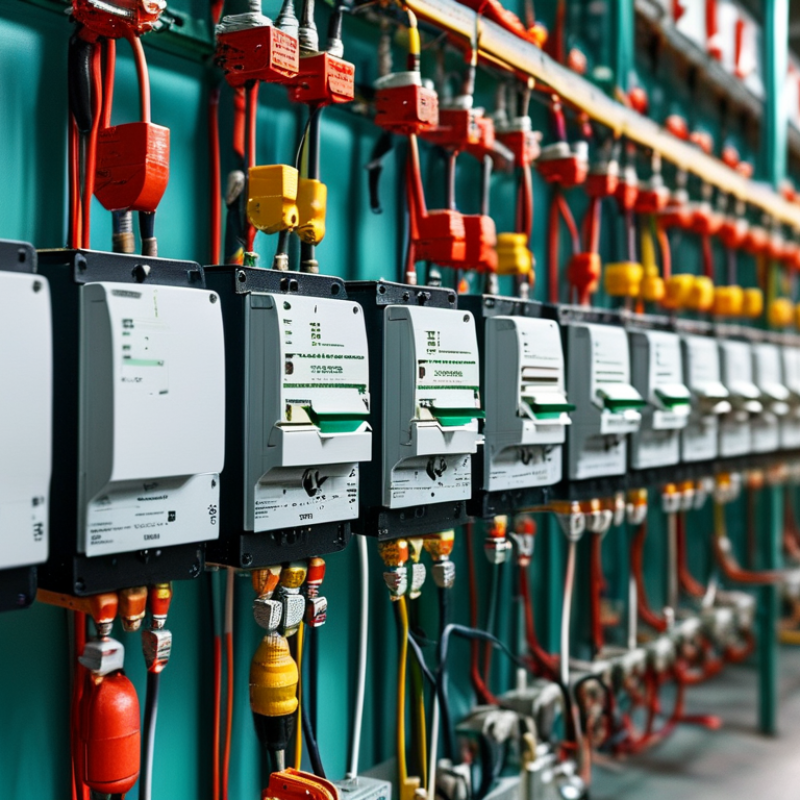
Switchgear is vital in electrical power systems. It ensures reliable operation and safety. In essence, switchgear comprises devices that control, protect, and isolate electrical equipment. This functionality prevents potential damage from overloads and faults. According to a report by MarketsandMarkets, the global switchgear market was valued at $87.11 billion in 2021 and is expected to reach $116.86 billion by 2026, indicating robust growth in demand.
The devices are categorized into low, medium, and high voltage switchgear, based on their operating systems. Low voltage switchgear often supports residential and commercial applications. In contrast, medium voltage switchgear is crucial for industrial uses. High voltage switchgear is essential for transmission networks. Research indicates that the integration of renewable energy sources has boosted the demand for advanced switchgear solutions. This trend highlights the need for smarter and more efficient devices to manage fluctuating power supplies.
However, despite these advancements, challenges persist. Aging infrastructure in many regions may compromise reliability. Additionally, ensuring compatibility between traditional and modern systems is complex. Lack of trained personnel to manage sophisticated switchgear also poses a significant risk. Industry leaders must address these challenges proactively to maintain system integrity and safety.
Best Electrical Switchgear Solutions for Global Buyers
Types of Electrical Switchgear Solutions Available Globally
Electrical switchgear is essential in modern power systems. Buyers must understand the various types available worldwide to make informed decisions.
One common type is the air-insulated switchgear (AIS). It uses air as insulation, making it simple and cost-effective. This switchgear is often used in substations and industrial applications. Another type is gas-insulated switchgear (GIS). GIS is compact and suitable for urban environments where space is limited. Its ability to operate in extreme conditions adds to its appeal.
In addition, modular switchgear solutions are gaining popularity. These offer flexibility and ease of installation. However, they can be pricier than traditional options. Each type has its advantages and limitations. Buyers should consider factors such as installation costs, maintenance, and space requirements. Understanding these variations is crucial for selecting the right solution.
Key Manufacturers and Suppliers of Electrical Switchgear
Electrical switchgear is crucial for managing electrical power systems. Many manufacturers specialize in producing reliable switchgear solutions. These solutions ensure safety and efficiency in various applications. They play a key role in industries like utilities, infrastructure, and manufacturing.
Key manufacturers of electrical switchgear often focus on innovation. They adapt to changing global demands. However, not all suppliers meet the same reliability standards. Buyers should conduct thorough research on supplier reputations. Customer reviews and industry reports can provide valuable insights. This helps in identifying trustworthy partners.
Additionally, geographic location influences the availability of switchgear solutions. Some regions may have limited options. Understanding local regulations and standards can also be challenging. Buyers should seek experts to navigate these complexities. Building strong relationships with suppliers can enhance the purchasing process. It promotes better service and support. Selecting the right switchgear ensures operational integrity and safety.
Factors to Consider When Choosing Switchgear Solutions
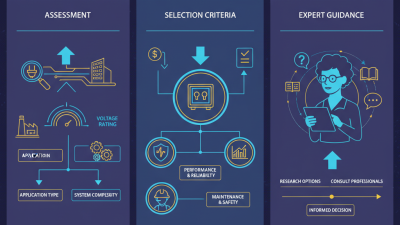
When selecting electrical switchgear solutions, several factors warrant careful consideration. The voltage rating is a critical aspect. Ensure the switchgear can handle the voltage levels specific to your application. Reliability under different conditions is also essential. Testing switchgear in simulated environments can reveal its performance limits.
Another factor is the operational flexibility. Switchgear should accommodate changing operational requirements. This adaptability ensures efficiency in evolving conditions. Installation complexity might lead to delays and additional costs. Understanding installation requirements can save time and resources.
Maintenance requirements are equally important. Regular checks and upkeep can prevent unexpected failures. Look for designs that allow easy access for maintenance tasks. Some products may claim low maintenance, but always verify these claims through credible sources. This helps in making informed decisions. A reliable supplier should provide adequate training for operational staff. This ensures that the team is well-equipped to handle the switchgear safely.
Emerging Trends in Electrical Switchgear Technology
The field of electrical switchgear technology is rapidly evolving. Emerging trends are shaping how industries approach electrical systems. Smart switchgear solutions are a significant focus. They enhance efficiency and provide real-time data for monitoring systems.
Integration of IoT is transforming switchgear. It allows remote access and automated controls. This trend increases reliability and reduces downtime. However, adapting to new technologies can be challenging. Many companies face difficulties in training personnel and integrating existing systems.
Tips: Invest in training for your staff. Ensure they understand new technologies to maximize benefits. Keeping abreast of regulatory changes is crucial as well. For buyers, understanding and evaluating emerging tech helps in making informed decisions. Monitoring market trends can provide insights into future developments. Prioritizing future-proof solutions may prevent costly upgrades later on.