Top 10 Benefits of Electrical Switchgear for Modern Power Systems?
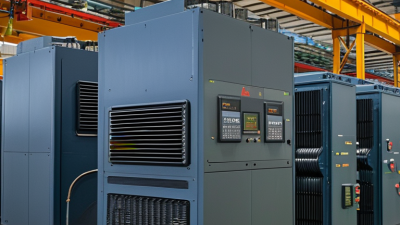
In the rapidly evolving world of power systems, Electrical Switchgear plays a crucial role. This technology is essential for managing electrical energy efficiently and safely. As modern infrastructures demand higher reliability and performance, the significance of Electrical Switchgear becomes increasingly apparent.
Electrical Switchgear acts as the backbone of electrical networks. It safeguards electrical equipment and ensures smooth operations. Beyond its protective capabilities, it enhances system efficiency and optimizes energy management. However, not all switchgear solutions are created equal, and choosing the right system requires careful consideration.
Many operators overlook certain aspects, such as maintenance and adaptability. This oversight can lead to inefficiencies and increased operational costs. A deeper understanding of the benefits of Electrical Switchgear is necessary for informed decisions. By exploring its advantages, we can appreciate its pivotal role in modern power systems. The journey toward optimal electrical management starts here.

Overview of Electrical Switchgear in Modern Power Systems
Electrical switchgear plays a pivotal role in modern power systems. These devices facilitate the control and protection of electrical equipment. Their significance cannot be overstated. According to a report by the International Energy Agency, global energy consumption is expected to rise by 30% by 2040. This increase underlines the necessity for reliable switchgear in handling greater loads.
The effectiveness of switchgear is seen in its ability to isolate faults quickly. It safeguards both equipment and personnel from potential hazards. A study by Research and Markets indicates that the electrical switchgear market will reach USD 115 billion by 2027. This growth highlights the increasing demand for efficient power management solutions. Despite these advancements, challenges remain. Aging infrastructure can undermine the performance of switchgear, leaving systems vulnerable.
Regular maintenance is essential to ensure peak performance. Innovative designs, such as smart switchgear, offer advanced monitoring capabilities. Yet, these systems require skilled personnel for operation. Training programs must keep pace with technology developments to address future needs effectively. A proficient workforce will be vital as power systems evolve. The road ahead holds promise, but readiness is key.
Top 10 Benefits of Electrical Switchgear for Modern Power Systems
| Benefit |
Description |
Impact on Power Systems |
| Protection |
Switchgear isolates faulty sections, preventing damage to the system. |
Enhances reliability and safety of operations. |
| Control |
Allows for monitoring and controlling of electrical circuits. |
Improves management of power distribution. |
| Modularity |
Facilitates scalable and modular design for variable load requirements. |
Enables adaptability to changing demands. |
| Compact Design |
Reduces the footprint of electrical installations. |
Saves space and lowers installation costs. |
| Efficiency |
Minimizes energy losses through enhanced circuit design. |
Increases overall system efficiency. |
| Remote Monitoring |
Enables technical staff to monitor operations from afar. |
Boosts operational efficiency and response times. |
| Safety |
Incorporates safety features to protect personnel and equipment. |
Reduces accidents and enhances workplace safety. |
| Flexibility |
Can be configured for various applications and functionalities. |
Meets diverse operational requirements efficiently. |
| Environmental Impact |
Reduces carbon footprint through efficient power management. |
Supports sustainability goals in energy consumption. |
| Cost Savings |
Low maintenance costs reduce overall expenditure. |
Improves financial viability of power systems. |
Key Functions and Components of Electrical Switchgear
Electrical switchgear plays a crucial role in modern power systems. It ensures protection, control, and isolation of electrical equipment. Key components include circuit breakers, fuses, and disconnect switches. These elements work together to manage electrical flow and protect against overloads. According to a report from the International Energy Agency (IEA), switchgear contributes significantly to grid reliability, citing that proper use can reduce outages by up to 30%.
The functionality of switchgear extends to fault detection and isolation. When a fault occurs, circuit breakers quickly interrupt power flow. This prevents damage to infrastructure and maintains system stability. Additionally, modern switchgear incorporates smart technology, enabling remote monitoring and control. Research indicates that smart switchgear can enhance operational efficiency by 20%. However, challenges remain. Integration with legacy systems is often complex. Many organizations struggle to balance innovation with existing infrastructure.
With the rise of renewable energy, switchgear must adapt. Increased reliance on solar and wind power introduces variability. This requires advanced switchgear solutions to manage unpredictable energy flows. Some reports suggest that up to 50% of new investments in electrical infrastructure will focus on smart switchgear by 2025. However, industry experts warn of the need for skilled technicians to operate these systems effectively. The growth of switchgear presents opportunities but also responsibilities in workforce training.
Enhanced Safety Features of Switchgear in Power Systems
Modern power systems rely heavily on innovative equipment to ensure smooth operations. Switchgear plays a critical role in this domain, particularly regarding safety features. Enhanced safety mechanisms are imperative for protecting both personnel and equipment. Advanced switchgear systems are designed to detect faults and isolate them automatically. This minimizes the risk of electrical fires and maintains system integrity.
Another crucial aspect of switchgear safety is protection against overcurrents and short circuits. These scenarios can lead to considerable damage if not managed properly. Many switchgear solutions now incorporate built-in sensors and smart relays. These components offer real-time monitoring, providing alerts before a situation escalates. However, the effectiveness of these safety measures depends significantly on their installation and maintenance. Regular checks are essential for ensuring their reliability.
Moreover, switchgear includes features that can protect from environmental hazards. Some devices are equipped with weatherproof enclosures. Others include arc-fault detection systems that enhance reliability in various settings. Yet, despite these advancements, operators must remain vigilant. Training and awareness are crucial for preventing accidents and operational challenges. The balance between technology and human oversight remains vital in achieving optimal safety in power systems.
Energy Efficiency and Performance Improvements through Switchgear
Electrical switchgear plays a critical role in enhancing energy efficiency in modern power systems. According to a report from the International Energy Agency, switchgear can improve operational efficiency by up to 20%. This efficiency is achieved through optimized control and protection of electrical distribution, which minimizes energy waste.
Switchgear systems enable real-time monitoring, which helps in early detection of faults. This proactive approach reduces downtime and enhances reliability. A study by the Smart Electric Power Alliance indicates that utilities can save 15% on maintenance costs with upgraded switchgear. These savings allow for reinvestment in infrastructure improvements.
Tip: Regular maintenance of switchgear can further improve its performance and lifespan. Ignoring wear and tear may lead to unexpected downtimes. Always consult industry practices to ensure compliance with safety standards.
Energy performance is also influenced by advanced technologies like smart grid integrations. These systems utilize data analytics to optimize power flow, further decreasing operational costs. However, not all applications respond equally to these improvements. Different configurations may yield varied results, revealing areas that require further exploration.
Tip: Assess your switchgear setup periodically. Identify underperforming components and seek expert evaluations to pinpoint necessary upgrades. This practice will help maintain high performance and reliability.
Future Trends and Innovations in Electrical Switchgear Technology
The electrical switchgear technology is evolving rapidly. Innovations focus on enhancing efficiency and reliability in power systems. Smart switchgear now integrates advanced monitoring features. Real-time data analysis helps identify potential failures before they impact operations. This capability ensures more reliable and efficient energy distribution.
Sustainability is another critical focus. Many manufacturers are developing eco-friendly switchgear materials. These innovations aim to reduce the environmental footprint of electrical systems. Additionally, AI and machine learning are being incorporated into switchgear operation. These technologies allow for predictive maintenance, which can potentially minimize downtime and service interruptions.
However, challenges remain. As systems become more complex, interoperability issues could arise. Ensuring that new switchgear can communicate effectively with existing infrastructure is crucial. It's essential to find the right balance between innovation and practicality in deployment. The future of electrical switchgear technology holds immense promise, but careful consideration is needed to navigate the evolving landscape.