What is Electrical Switchgear and Its Importance in Power Systems?
Electrical Switchgear plays a vital role in modern power systems. It facilitates the safe control and distribution of electrical energy. Renowned electrical engineer Dr. Emily Carter, a leading authority in power systems, emphasizes this importance: "Electrical Switchgear is crucial for ensuring reliable and safe operations in our electrical grids."
In today's world, demand for electricity is constantly rising. With this growth, the role of Electrical Switchgear becomes increasingly significant. It helps in protection, control, and monitoring of electrical circuits. Poorly chosen or installed switchgear can lead to failures and outages, which disrupt services and impact economies.
Understanding the complexities of Electrical Switchgear is essential for the industry. Its design and implementation require meticulous attention. The technology evolves, and so do the challenges. Reassessing practices is key. Practitioners must stay updated and learn from past mistakes. Addressing these issues is a continuous process.
What is Electrical Switchgear: Definition and Components
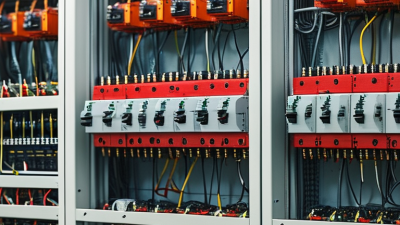
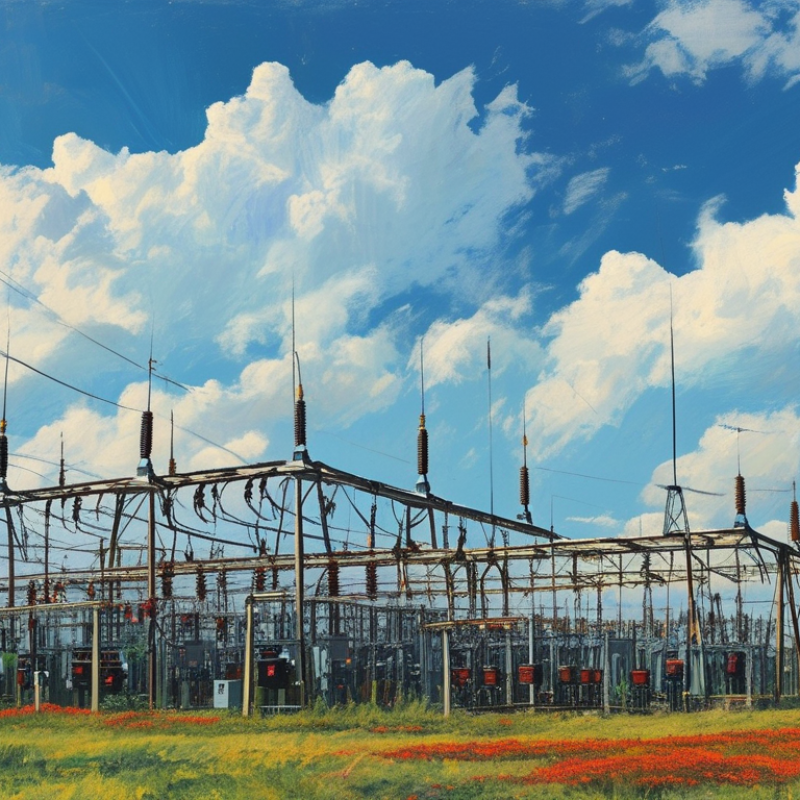
Electrical switchgear plays a crucial role in power systems, managing electricity flow and ensuring safety. Defined as a combination of electrical disconnects, circuit breakers, and fuses, switchgear provides control and protects electrical equipment. According to the International Energy Agency, an estimated 90% of electrical outages are related to infrastructure failures. High-quality switchgear can mitigate these risks significantly.
Components of electrical switchgear typically include circuit breakers, which interrupt fault currents, and relays that monitor system conditions. The efficiency of these components directly impacts the reliability of power systems. In fact, a report from the Electric Power Research Institute notes that inadequate switchgear can lead to a 30% increase in unplanned outages. This highlights the need for regular maintenance and upgrades.
Yet, achieving optimal performance is not always straightforward. Many utilities face challenges in implementing modern switchgear technology. Upgrading legacy systems can be costly and complex. Some organizations struggle to find suitable training for personnel. These issues can hinder the effectiveness of electrical switchgear within power networks.
The Role of Electrical Switchgear in Power Systems Reliability
Electrical switchgear plays a crucial role in ensuring the reliability of power systems. It acts as the backbone of electrical infrastructure, facilitating control, protection, and isolation of various circuits. According to the International Energy Agency, a robust electrical grid requires about a 30% investment in switchgear and control technologies. This significant investment highlights the necessity of switchgear in sustaining long-term energy reliability.
One vital aspect of switchgear is its ability to respond rapidly to anomalies. Research shows that outages can decrease consumer confidence, impacting businesses and economies. In the U.S. alone, the average cost of power interruptions is estimated at $150 billion annually. Effective switchgear reduces outage duration and frequency, thereby improving the overall reliability of power systems. Poorly maintained switchgear can lead to catastrophic failures, reminding us that ongoing assessments and upgrades are essential.
Regular maintenance checks are crucial for the longevity of switchgear equipment. Neglecting these checks can lead to unexpected failures. In fact, studies indicate that over 70% of electrical failures are attributed to equipment that is not properly maintained. This statistic underscores the need for systematic upkeep and timely replacements of aging components to ensure a dependable power supply.
Importance of Electrical Switchgear in Power Systems
This chart illustrates the importance of different types of electrical switchgear in ensuring the reliability of power systems. The data represents their contribution to system reliability based on operational efficiency and failure rates.
Key Types of Electrical Switchgear and Their Applications
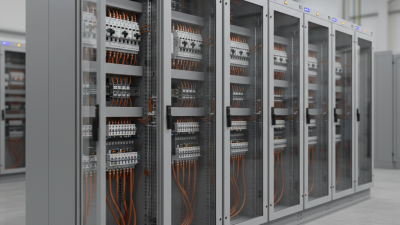
Electrical switchgear plays a crucial role in power systems. It protects and controls electrical equipment, ensuring safe operation. Various types of switchgear serve different purposes. The most common types include air-insulated switchgear (AIS), gas-insulated switchgear (GIS), and hybrid switchgear.
Reportedly, the global switchgear market is expected to reach $117 billion by 2026, driven by the growth of renewable energy sources.
AIS is popular for its simplicity and low cost. These systems operate with air as an insulating medium. They are commonly used in substations and industrial systems. On the other hand, GIS is known for its compact design and efficiency. It requires less space than AIS, making it ideal for urban settings. In areas where space is limited, GIS can be a game-changer. Recent studies indicate that GIS installations reduce land requirements by up to 80%.
Hybrid switchgear combines elements from both AIS and GIS, offering flexibility. Its adaptability is useful for transitioning energy systems. Yet, the complexity of these hybrid solutions can lead to challenges in maintenance. Understanding the differences between these types helps in selecting the right technology for power systems. Each application comes with advantages and potential drawbacks. The importance of selecting the appropriate switchgear cannot be understated in ensuring reliability and safety in power delivery.
Importance of Electrical Switchgear in Ensuring Safety and Protection
Electrical switchgear is crucial for safety in power systems. It consists of devices designed to isolate, control, and protect electrical equipment. The role of switchgear in ensuring safety cannot be overstated. According to the International Electrotechnical Commission, improper functioning of switchgear leads to 15% of electrical accidents each year. This highlights the necessity for reliable and effective switchgear management.
Switchgear provides vital protection against faults and overloads. It prevents damage to both the electrical infrastructure and personnel. Innovative switchgear technology contributes to system resilience. For example, smart switchgear can quickly detect faults and isolate affected sections. This minimizes downtime and enhances overall safety. A well-established maintenance routine is essential to maximize operational effectiveness.
Tips to maintain electrical switchgear:
Regular inspections are key. Look for signs of wear or damage. Clean switchgear components to prevent contamination. Ensure proper labeling for easy identification during emergencies. Flaws in maintenance protocols can lead to serious safety issues, underscoring the need for consistent diligence in this area. Frequent training on safety procedures for personnel is also critical.
Market Trends and Future Developments in Electrical Switchgear Technology
The electrical switchgear market is evolving rapidly, driven by technological advancements and growing energy demands. According to a recent report by MarketsandMarkets, the global switchgear market is projected to reach USD 170.89 billion by 2026, growing at a CAGR of 7.12%. This growth reflects the increasing need for reliable and efficient power distribution. As renewable energy sources become more prevalent, the demand for advanced switchgear solutions is intensifying.
Emerging technologies like smart grids are shaping the future of electrical switchgear. Integration of IoT and AI enables real-time monitoring and predictive maintenance. These innovations improve efficiency and significantly reduce downtime. Reports suggest that smart switchgear could decrease operational costs by up to 30%. Yet, challenges remain. The high initial costs of smart technologies can deter investment. Some companies struggle to adapt to rapid changes in technology.
Sustainability is also a crucial trend. The industry is shifting towards eco-friendly materials and designs. Research shows that sustainable switchgear solutions can reduce carbon footprints significantly. However, companies must navigate regulatory landscapes that vary by region. This can complicate the implementation of green technologies, leading to uncertainty and slower adoption. The future of electrical switchgear hinges on balancing innovation, cost, and sustainability.