How to Choose the Right Electrical Switchgear for Your Needs?
Choosing the right electrical switchgear is crucial for any project. Industry expert Dr. Emily Carter, a leading engineer in electrical systems, states, "The wrong switchgear can lead to significant operational issues." Her insight highlights the importance of understanding your specific needs.
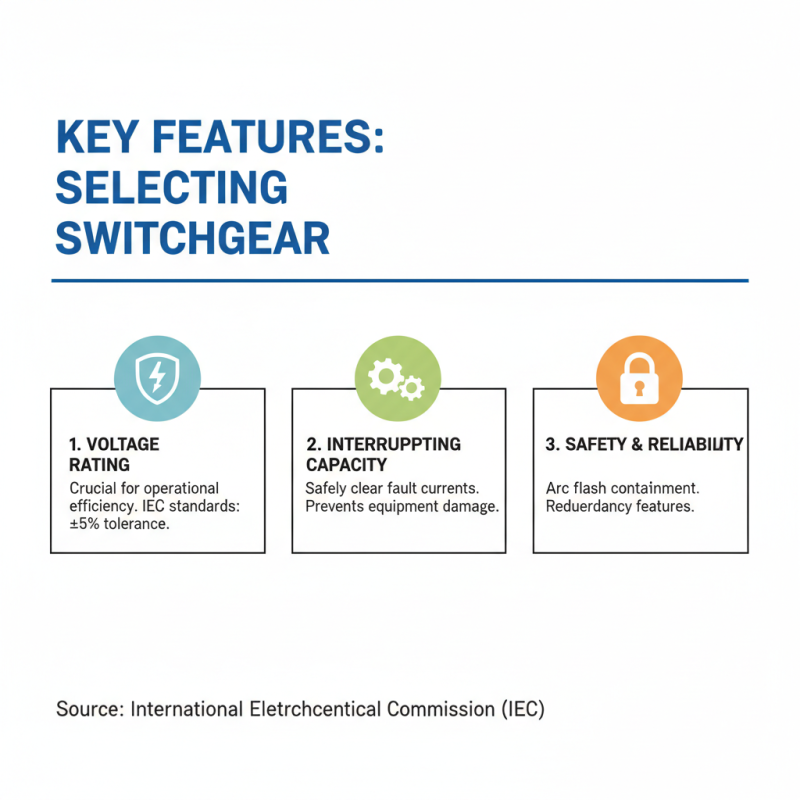
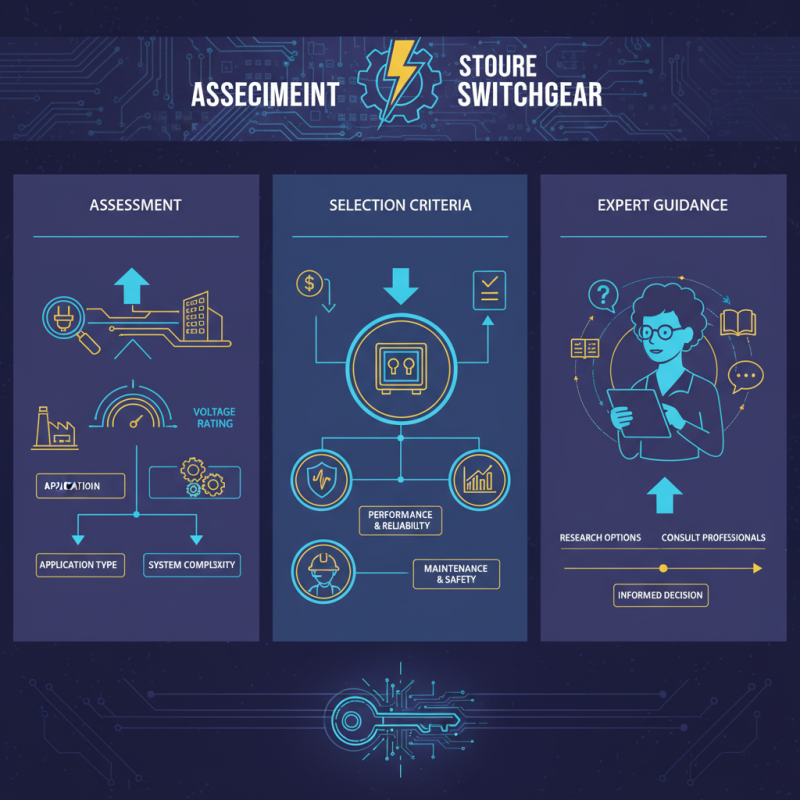
Electrical switchgear comes in various types and configurations. Selecting the appropriate one requires considering several factors, such as voltage rating and application. The complexity of modern electrical systems adds to the challenge. Misjudgments in this area can result in inefficiencies and increased costs.
Understanding your electrical requirements is essential. Each project has unique demands, and expert guidance can prevent costly errors. Researching options and consulting with experienced professionals will enhance decision-making. Learning from industry leaders, like Dr. Carter, can also provide deeper insights. Ultimately, careful consideration and informed choices are key to success in electrical switchgear selection.
Understanding Electrical Switchgear Types and Their Functions
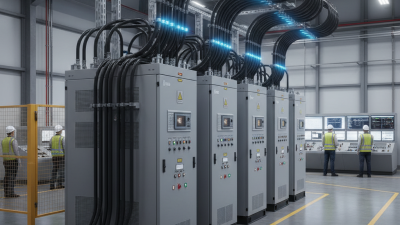
When choosing the right electrical switchgear, understanding its types and functions is essential. Switchgear plays a vital role in electrical distribution. It protects circuits, allows for safe maintenance, and enhances system reliability. There are various types of switchgear, including air-insulated, gas-insulated, and oil-insulated options. Each type serves different environments and requirements.
Air-insulated switchgear is most common. It's simple and effective for low to medium voltage applications. However, it may require more space. Gas-insulated switchgear, although compact, utilizes SF6 gas, which presents environmental concerns. Oil-insulated switchgear offers high insulation levels but needs careful handling due to flammability.
It's crucial to assess your specific power requirements before making a decision. Consider factors such as space, maintenance needs, and environmental impacts. The choice may also depend on budget constraints. Reflecting on these aspects can lead to better decisions in the long run. Remember, the best solution balances efficiency, safety, and sustainability.
Types of Electrical Switchgear and Their Usage
Assessing Your Power Requirements and Load Conditions
When selecting electrical switchgear, understanding your power requirements and load conditions is crucial. A recent industry report by the International Energy Agency (IEA) indicates that around 80% of electrical failures stem from inappropriate equipment specifications. Hence, assessing your specific needs upfront can prevent costly downtimes.
Start by evaluating your total load capacity. For example, a commercial facility may require switchgear that can handle 1,500 volts under peak conditions. Failing to choose switchgear that meets these demands can lead to overheating or increased maintenance costs. The National Electrical Manufacturers Association (NEMA) states that performance degradation can occur when equipment is consistently overloaded by 10% or more.
Consider the load types involved. Is it a balanced load or a fluctuating one? For instance, industrial plants may witness significant load variations. If not taken into account, this misalignment could result in frequent shutdowns or failures. Regularly updating load assessments—ideally every two to three years—ensures that your switchgear remains reliable and efficient. This vigilance is necessary not just for safety but for optimizing operational costs over time.
How to Choose the Right Electrical Switchgear for Your Needs? - Assessing Your Power Requirements and Load Conditions
| Switchgear Type |
Power Rating (kVA) |
Voltage Rating (V) |
Application |
Features |
| Indoor Switchgear |
1000 |
400 |
Commercial Buildings |
Compact Design, Easy Maintenance |
| Outdoor Switchgear |
1200 |
11,000 |
Industrial Applications |
Weatherproof, High Durability |
| Medium Voltage Switchgear |
2000 |
24,000 |
Substations, Power Plants |
Safe Operation, Modularity |
| Low Voltage Switchgear |
800 |
230 |
Residential, Small Industries |
User-Friendly, Cost-Effective |
Ensuring Compliance with Safety Standards and Regulations
Choosing the right electrical switchgear is crucial for safety and efficiency. Compliance with safety standards ensures that your equipment operates reliably. Different locations have different regulations. Understanding local codes is essential.
Safety standards cover various aspects. They include temperature ratings, short circuit protection, and maintenance access. Inadequate knowledge of these can lead to severe risks. Ignoring them often results in costly mistakes.
Consider working with professionals. Their expertise helps navigate complex regulations. Take the time to assess your specific needs. Rushing this process might lead to an unsuitable choice. Reflect on past experiences and learn from them. Choosing compliant switchgear will enhance overall safety and performance.