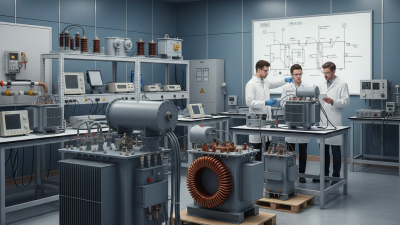
Top 5 Types of Transformer You Need to Know About?
Transformers play a crucial role in electrical systems, and understanding the different types is vital. The global transformer market is projected to grow at a CAGR of 6.5% from 2021 to 2028, according to a report by Fortune Business Insights. This growth highlights the importance of being informed about various transformer types and their applications.
John M. Smith, a renowned expert in the energy sector, states, “Understanding the Type Of Transformer one needs can determine the efficiency of an entire electrical system.” This insight emphasizes that knowledge in this area can lead to significant improvements in energy management. The right type of transformer can enhance performance while reducing operating costs.
Many professionals overlook the various transformer types, leading to inefficient setups. There are significant differences among a step-up transformer, step-down transformer, isolation transformer, and others. Each type serves a specific function, and knowing these can prevent costly mistakes. Effective decisions on which Type Of Transformer to use can drive better outcomes for projects.
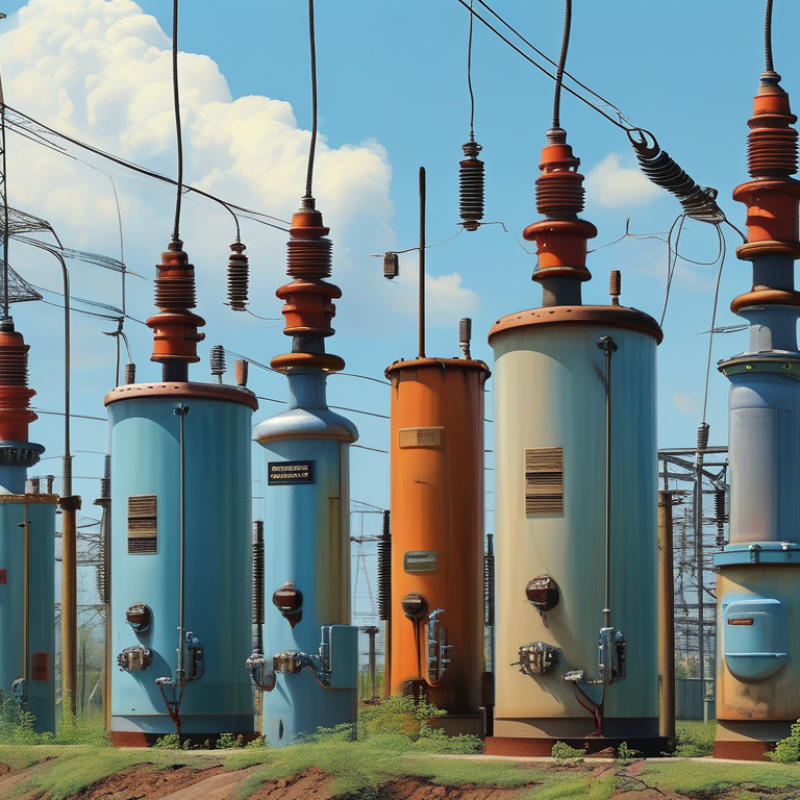
Types of Transformers: An Overview of Electrical Engineering Applications
Transformers play a vital role in electrical engineering. They change voltage levels, which helps in efficient power distribution. Various types serve different applications, making them indispensable in modern society.
Distribution transformers are commonly used in residential areas. They step down high transmission voltages to usable levels. In contrast, power transformers are more significant and serve in substations. Their primary role is to manage high voltage for long-distance transmission.
Isolation transformers provide safety by separating circuits. This prevents direct electrical paths which could cause shocks. However, some nuances exist in their designs. For example, not all isolation transformers maintain full efficiency under varied loads. Recognizing these aspects helps enhance their application. Understanding these transformer types is crucial for engineers and technicians. They ensure every system operates smoothly and safely.
The Importance of Power Transformers in Electrical Distribution Systems
Power transformers play a crucial role in electrical distribution systems. They are essential for managing voltage levels during the transmission of electricity. Without them, power loss would escalate, affecting efficiency. These transformers convert high voltage from power plants to lower levels suitable for homes and businesses.
The design and capacity of power transformers matter. They need to handle large amounts of electricity safely and efficiently. This requires precise engineering and high-quality materials. Many transformers are located in remote areas, making regular maintenance a challenge. Over time, wear and tear can lead to failures, disrupting energy supply.
Understanding the importance of these transformers aids in planning and infrastructure development. As cities grow, so does the demand for reliable power. The complexity of electrical systems requires a thoughtful approach to ensure safety and efficiency. We must continually assess our transformer networks, considering future technologies and sustainable practices. Each location may have unique challenges that need addressing to maintain reliable energy distribution.
Top 5 Types of Transformer You Need to Know About
| Type of Transformer |
Primary Use |
Voltage Level |
Efficiency (%) |
Key Features |
| Step-Up Transformer |
Increase voltage for transmission |
10 kV - 765 kV |
95-99% |
Used in power plants |
| Step-Down Transformer |
Decrease voltage for distribution |
240 V - 33 kV |
95-98% |
Used in local distribution networks |
| Isolation Transformer |
Electrical isolation between circuits |
Low Voltage < 1 kV |
90-98% |
Safety and noise reduction |
| Auto Transformer |
Voltage regulation |
From 100 V to several kV |
90-98% |
Compact and cost-effective |
| Three-Phase Transformer |
Power distribution and industrial use |
From 400 V to 132 kV |
95-98% |
Improved efficiency and reduced losses |
Exploring the Benefits of Isolation Transformers in Circuit Safety
Isolation transformers play a crucial role in enhancing circuit safety. They are designed to isolate electrical circuits, reducing the risk of electric shock. These transformers achieve this by breaking the direct electrical connection between the power source and connected devices. This isolation helps in protecting equipment from surges and noise, ensuring they operate safely and efficiently.
Proper installation of isolation transformers is key to maximizing their benefits. Always make sure the transformer is grounded correctly. Grounding can prevent static buildup and reduce the risk of electrical hazards. When you select a transformer, consider the power requirements of your devices. An undersized transformer can lead to overheating and potential failure.
Observing maintenance practices is crucial for optimal performance. Regular inspections can catch potential problems before they escalate. Look for signs of wear or overheating. It's essential to address any issues immediately. Isolation transformers can improve circuit reliability significantly, but neglecting them may lead to unforeseen issues. Taking the time for proactive maintenance can save both time and resources in the long run.
Step-down and Step-up Transformers: Understanding Voltage Transformation
Step-down and step-up transformers play a crucial role in electrical systems. They manage voltage levels efficiently. A step-up transformer increases voltage from a lower level to a higher one. It's essential for power transmission across long distances. Higher voltage reduces energy loss. When electricity travels through wires, resistance can waste energy. Higher voltage helps minimize this loss.
On the other hand, step-down transformers decrease voltage for safe distribution to homes and businesses. They convert high voltage to a manageable level. This process is vital for ensuring that electrical appliances function properly. Without these transformers, devices could be damaged by excess voltage.
Understanding these two types of transformers is essential for those interested in electrical engineering. Many people overlook their importance. There’s a learning curve in grasping how they operate. Studying circuit diagrams and voltage readings can be daunting. Yet, achieving a deeper understanding enhances expertise in the field. Recognizing when and where to use these transformers can improve system efficiency.
Current Transformers: Vital Components for Metering and Protection
Current transformers (CTs) are essential for measuring electric currents in power systems. They play a crucial role in metering and protection. According to the Electric Power Research Institute (EPRI), CTs are integral to achieving accurate measurements in electrical installations, allowing utilities to bill customers correctly and manage consumption effectively.
CTs work by producing a reduced current proportional to the primary current flowing through the transformer. This allows for safe and accurate monitoring without the need for direct access to high-voltage lines. Research indicates that improper use of CTs can lead to inaccuracies and potential safety hazards. The Institute of Electrical and Electronics Engineers (IEEE) suggests that correct installation and maintenance are crucial for optimal performance.
Furthermore, advancements in CT technology have led to smarter, more efficient designs. These modern CTs enable real-time monitoring and data transmission. However, dependency on technology comes with challenges, such as the need for continuous calibration. The reliability of data is paramount; any miscalibration can hinder protective measures during faults. Industry reports highlight that implementing regular testing protocols can significantly enhance the effectiveness of CTs in safeguarding electrical systems.