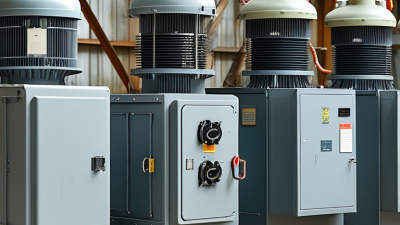
Core Type Transformer The Best Options for Global Buyers?
In the evolving world of energy solutions, the Core Type Transformer stands out for its efficiency and reliability. According to a recent report by the International Energy Agency (IEA), global demand for transformers is projected to grow by 5% annually over the next five years. This shift is driven by the increasing focus on renewable energy sources and smart grid technologies.
Industry expert Dr. Emily Dawson emphasizes the advantages of the Core Type Transformer: "Its design allows for better heat dissipation and lower losses." These features are crucial in today's energy landscape, where efficiency is key. However, some challenges remain. The initial investment costs can deter potential buyers, especially in developing regions.
Moreover, the complexity of procurement processes often leads to delays and uncertainties. Stakeholders must weigh these factors carefully. As the industry advances, the Core Type Transformer continues to represent both an opportunity and a challenge for global buyers. Balancing performance with practicality will be essential in navigating this market.
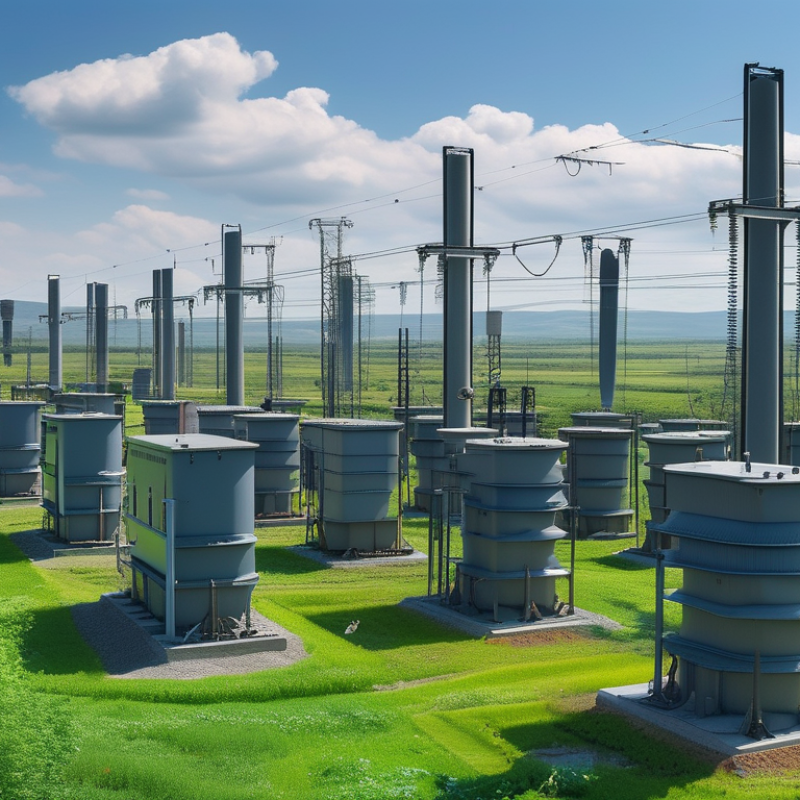
Definition and Functionality of Core Type Transformers
Core type transformers play a crucial role in electrical engineering. They are designed to convert electrical energy from one voltage level to another. This makes them essential in power distribution systems used globally. According to market research, the demand for core type transformers is expected to rise by 4.5% annually through 2027. Their efficiency and reliability can significantly impact transmission losses.
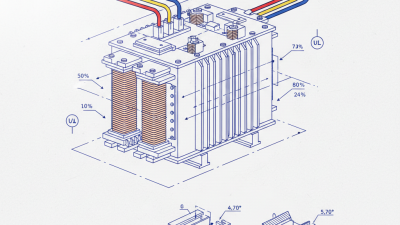
The functionality of core type transformers lies in their design. They typically feature a magnetic core made of high-grade silicon steel. This core minimizes energy losses and enhances performance. Transformers have a robust construction that allows them to handle fluctuations in electrical loads. However, one has to consider their weight and size, which can sometimes be a disadvantage in certain applications.
While core type transformers are effective, they are not without challenges. Overheating can occur under high loads, leading to potential failures. Regular maintenance and inspection are critical for sustaining their performance. The balance between efficiency and operational cost remains a topic of discussion among industry experts. Achieving the best options requires careful evaluation of these factors.
Advantages of Core Type Transformers in Power Distribution
Core Type Transformers offer distinct advantages in power distribution. Their design focuses on efficiency and minimizing energy loss. This feature makes them ideal for various applications, from industrial settings to urban power grids. One notable benefit is their compact size, allowing for installation in limited spaces without sacrificing performance. Heat dissipation is also more effective, enhancing the reliability of the system.
When selecting a Core Type Transformer, consider its configuration and core material. Various core materials can affect electrical losses. Some materials are more suitable for high-efficiency goals. This choice can impact performance and operational costs.
Another aspect to think about is the placement of these transformers within a power distribution network. The careful arrangement can lead to optimum load balancing. Users often overlook this crucial detail, but it contributes significantly to overall efficiency.
The learning process includes understanding potential downsides. Core Type Transformers can be more expensive upfront. Users need to weigh these costs against long-term savings. Investing time in research is essential.
Core Type Transformers: Advantages in Power Distribution
Key Factors to Consider When Purchasing Core Type Transformers
When purchasing core type transformers, several key factors can significantly impact performance and reliability. Understanding insulation materials is crucial. High-quality insulation enhances longevity and reduces maintenance needs. According to industry reports, transformers with superior insulation can last up to 30% longer than their counterparts. This makes initial investment more valuable over time.
Another vital aspect is the configuration of the core. Different designs affect efficiency and heat generation. Optimized core shapes yield better performance, leading to a reduction of energy losses of around 2-3%, as noted in various electrical engineering studies. Buyers should examine design specifications meticulously to ensure compliance with operational requirements.
Cost-effectiveness remains a driving factor. While cheaper options may be tempting, they often lack the resilience needed for long-term use. A study from the International Energy Agency indicates that investing in quality transformers can lower total lifecycle costs. It’s essential to assess initial costs against potential operational savings. This approach leads to more informed purchasing decisions, ultimately enhancing system performance.
Leading Manufacturers of Core Type Transformers Worldwide
Core type transformers are essential in various industries. They play a crucial role in power distribution and industrial applications. Leading manufacturers around the world are focused on enhancing their technology and efficiency. According to a recent market research report, the global core type transformer market is expected to reach $30 billion by 2025. This growth highlights the increasing demand for reliable and efficient energy solutions.
Key players in the industry are investing heavily in research and development. They aim to improve the performance and lifespan of transformers. Increased energy efficiency is a significant focus. Data indicates that energy-efficient transformers can lower operational costs by up to 30%. This shift not only reduces financial burdens but also supports sustainability goals. Manufacturers are challenged to adapt to strict environmental regulations while maintaining competitiveness.
However, not all manufacturers provide the same quality. Variability in construction and materials can affect reliability and performance. Potential buyers should conduct thorough research. It is crucial to evaluate product specifications and manufacturer reputation. Some transformers may not meet industry standards. Identifying these differences can prevent costly mistakes and ensure optimal system performance.
Future Trends and Innovations in Core Type Transformer Technology
The core type transformer technology is evolving rapidly. Manufacturers are focusing on enhancing efficiency and reducing losses. Innovations include improved core materials that minimize energy waste. These advancements contribute to a more sustainable energy landscape.
The integration of smart technologies is another emerging trend. These smart transformers can monitor performance in real-time. This capability allows for proactive maintenance, reducing downtime and costs. However, the complexities of implementing such systems pose challenges. Not all companies are equipped to adapt quickly.
Another area worth exploring is the design of modular transformers. They offer flexibility and scalability for various applications. While they promise ease of installation, they may lead to issues with compatibility. As buyers evaluate their options, understanding these nuances will be essential. The future of core type transformers holds great potential, but careful consideration will be needed.