Exploring 2026 Top Transformer Core Types and Their Applications?
The world of transformer technology has evolved significantly, presenting diverse Transformer Core Types for various applications. This exploration of 2026's top core types illustrates the ongoing advancements in electrical engineering. Each core type plays a critical role in enhancing efficiency and performance in transformers.
Transformer Core Types vary in design and functionality, impacting how electrical energy is transformed. Materials like silicon steel and ferrite are commonly used, each presenting unique benefits. As industries require more energy-efficient solutions, understanding these differences becomes essential.
Challenges exist, however, in selecting the appropriate core type. Factors like cost, weight, and magnetic saturation need consideration. Engineers must reflect on these variables to choose the best option for their needs. By staying informed about emerging trends, professionals can make reliable decisions that influence future developments in transformer technology.

Types of Transformer Cores: An Overview of 2026 Developments
As the transformer industry progresses into 2026, distinguishing core types is paramount. This year, innovations in amorphous steel, ferrite, and composite cores are capturing attention. Each type will have a specific role, depending on application demands. Reports indicate that amorphous steel cores can enhance efficiency by up to 20%. This efficiency leads to reduced energy loss, making them ideal for large-scale applications like power distribution.
Ferrite cores are popular in high-frequency applications, especially in switch-mode power supplies. They provide excellent magnetic performance but can be limited by saturation at higher currents. The shift towards renewable energy amplifies the need for versatile transformer designs. Professionals should watch for composite cores, which combine the benefits of different materials to optimize performance in diverse conditions.
Tips: Choose core types wisely according to application needs. Evaluate efficiency ratings and current capabilities for optimal performance. Regularly assess material advancements to stay competitive. As the industry evolves, staying informed is crucial for engineers and designers aiming to innovate in their projects.
Exploring 2026 Top Transformer Core Types and Their Applications
| Core Type |
Material |
Application |
Efficiency Rating |
Notes |
| Silicon Steel |
Silicon Iron |
Power Transformers |
90-98% |
Widely used in high power applications. |
| Amorphous Steel |
Amorphous Metal |
Distribution Transformers |
98-99% |
Higher efficiency, lower no-load losses. |
| Ferrite Core |
Ferrite Material |
High-Frequency Transformers |
85-95% |
Ideal for low power applications. |
| Cobalt-based Alloys |
Cobalt Iron |
Specialized Transformers |
High efficiency |
Used in applications requiring high performance. |
| Nano-crystalline |
Nano-crystalline Alloy |
Power Electronics |
Above 99% |
Recent advancement with superior performance. |
Comparison of Traditional and Modern Transformer Core Materials
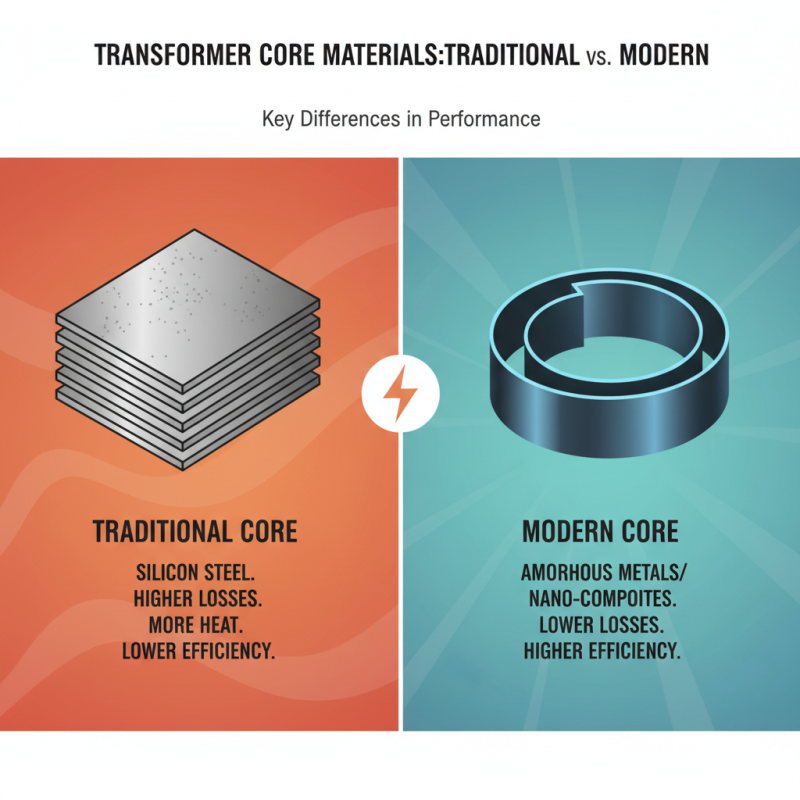
When comparing traditional and modern transformer core materials, key differences emerge. Traditional materials, like silicon steel, have been the industry standard for decades. They offer good magnetic properties but come with limitations. Efficiency often suffers due to higher losses during operation. This results in increased heat and reduced performance.
In contrast, modern materials, such as amorphous steel and composite cores, are designed to address these issues. These materials have lower energy losses, enhancing overall efficiency. Amorphous steel, for instance, boasts a non-crystalline structure that minimizes hysteresis losses. Composite cores benefit from lightweight and superior magnetic characteristics. However, they can be pricier and require careful handling.
While modern materials show promise, they are not without challenges. The manufacturing process can be complex. Ensuring quality control remains a critical concern. Additionally, the long-term durability of these advanced materials still requires further research. Balancing performance, cost, and reliability continues to be a pressing issue for engineers and manufacturers alike.
Applications of Transformer Cores in Renewable Energy Systems
Transformer cores play a crucial role in renewable energy systems. These components are essential for effective power conversion and distribution in various applications. In wind and solar power plants, they ensure efficient energy transfer from generation to grid. The right core type enhances performance and minimizes losses.
Different core materials are explored for specific needs. Ferrite cores are often used in high-frequency applications. They help improve efficiency in small-scale renewable energy devices. On the other hand, laminated silicon steel cores are common in large-scale systems. These materials reduce eddy current losses and improve overall system reliability.
Selecting the appropriate core type can be challenging. Engineers must weigh factors like cost, efficiency, and environmental impact. Each choice carries its own set of pros and cons. For instance, using a high-performance core may increase initial costs but provide long-term benefits. Continuous innovation is needed to optimize transformer cores for sustainable energy solutions.
Innovations in Transformer Core Design for Enhanced Efficiency
Innovations in transformer core design are driving significant improvements in efficiency. Advanced materials are being explored to enhance magnetic performance. These materials can reduce energy losses. High-permeability alloys are becoming more common. They allow for smaller and lighter transformer designs.
Research is also focusing on core geometry. The shape of the core can impact performance. Innovative designs help optimize magnetic flux pathways. This approach reduces heat generation and energy costs.
Additionally, manufacturing techniques are evolving. Techniques like 3D printing are enabling complex, customized core shapes. These innovations can lead to better integration in compact spaces. However, challenges remain in scaling these advanced designs. Reliability over time must be ensured, as performance can vary. Continuous testing and feedback loops are essential for progress.
Future Trends and Challenges in Transformer Core Manufacturing
The evolution of transformer core manufacturing is encountering significant trends and challenges as we look towards 2026. Market reports indicate that the global transformer core market is projected to reach USD 24.7 billion by 2025. This growth is driven by the increasing demand for efficient energy solutions and the integration of renewable energy sources. However, manufacturers face hurdles such as rising raw material costs and stringent environmental regulations. For instance, the implementation of new sustainability standards requires companies to rethink their material choices and production methods.
One emerging trend in the industry is the use of amorphous steel in transformer cores. This material offers a reduction in energy losses by up to 75% compared to traditional silicon steel. While the advantages are clear, the high cost of amorphous steel poses a challenge for widespread adoption. Additionally, manufacturers need to invest in technology to efficiently process and utilize this material. There's also the pressure to adopt digital manufacturing techniques. These techniques can improve efficiency but require enhancements in workforce skills and operational capacities. As manufacturers adapt to these demands, the balancing act between innovation and cost management will be crucial for success in the transformer core market.
Transformer Core Types and Their Applications in 2026
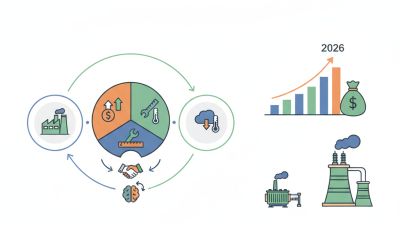
This chart illustrates the distribution of various transformer core types and their primary applications expected in 2026. The data reflects the anticipated trends and challenges in transformer core manufacturing.