2026 Top Trends in Oil Immersed Transformers What to Expect?
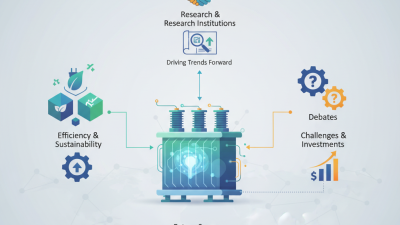
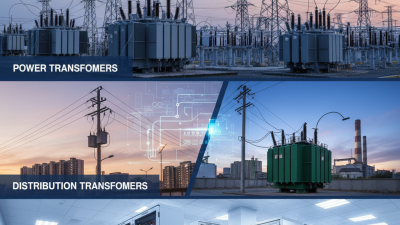
The landscape of power distribution is shifting. In 2026, the Oil Immersed Transformer (OIT) market is anticipated to witness transformative trends. Industry reports suggest that the global market for transformers will reach approximately $60 billion by 2026. This growth is driven by increasing demand for efficient energy solutions.
Oil Immersed Transformers are known for their reliability and efficiency. They play a crucial role in transmitting electricity across vast distances. However, environmental concerns surrounding oil leakage and disposal pose significant challenges. Emerging technologies aim to address these sustainability issues, highlighting the industry's need for innovation.
Expert insights indicate that digital monitoring will enhance the performance of Oil Immersed Transformers. Predictive maintenance will become standard, potentially reducing downtime by 30%. While these advancements are promising, they require a careful evaluation of the existing infrastructure. The journey towards smarter and greener OIT solutions continues, urging stakeholders to balance progress with responsibility.
Key Drivers of Innovation in Oil Immersed Transformers for 2026
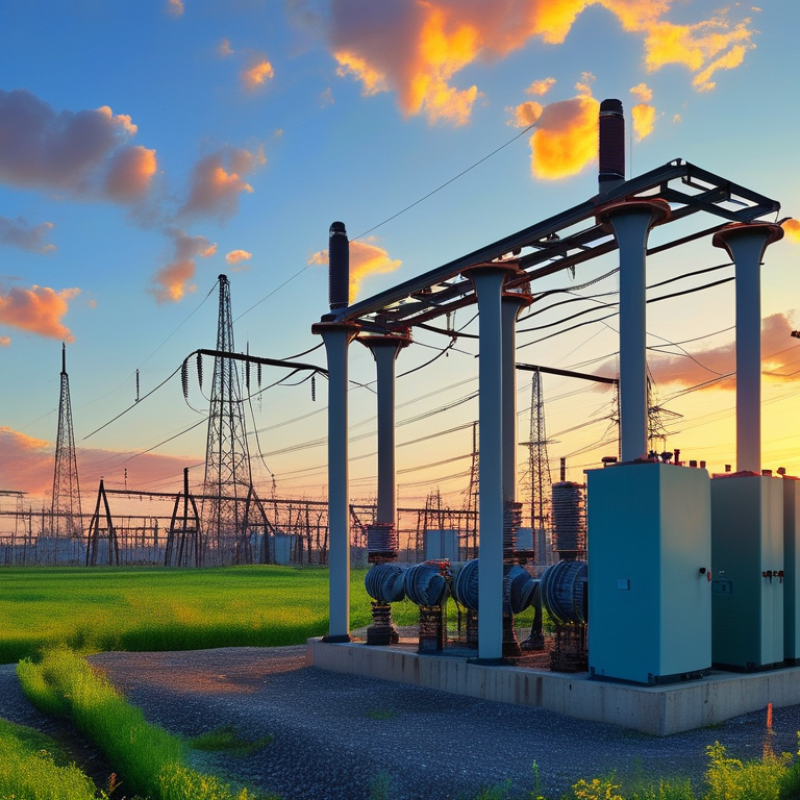
The landscape of oil immersed transformers is evolving rapidly. In 2026, we expect several key drivers to shape this innovation. One significant factor is the increasing demand for energy efficiency. As industries strive to reduce their carbon footprint, transformers must adopt cutting-edge technologies to minimize energy losses. Enhanced materials, like amorphous steel, can offer better performance and efficiency.
Another driver is the push for sustainability. The shift towards renewable energy sources is altering the power distribution landscape. Oil immersed transformers are being redesigned to accommodate these new sources. Innovations may focus on biodegradable oils, ensuring environmental safety while enhancing functionality. This creates a paradox.
While striving for greener solutions, manufacturers must also maintain high reliability and durability in their products.
Regulatory standards play a crucial role, too. Governments are enforcing stricter guidelines to ensure safety and efficiency. This often leads to challenges in meeting innovative targets. It raises questions about balancing compliance with technological advancements. Maintaining reliability while embracing novel ideas is essential for the future of oil immersed transformers. The industry must remain adaptable and forward-thinking.
Technological Advancements Shaping Oil Immersed Transformers Industry
The oil immersed transformers industry is witnessing significant technological advancements. Enhanced cooling techniques are vital for boosting performance and reliability. Advanced materials are being developed to improve insulation properties. These innovations help reduce maintenance costs and increase longevity.
Digitalization plays a key role in transforming operations. Smart monitoring systems provide real-time data on transformer performance. Predictive maintenance is becoming a norm in the industry. However, challenges arise in data management and integration. Ensuring cybersecurity for these systems is crucial.
Sustainability is also reshaping the industry. Companies are exploring eco-friendly insulating fluids. Adopting renewable energy sources for power generation is essential. Yet, there’s a need for more research to optimize these innovations. The path forward is not without hurdles, but the commitment to improvement is clear.
Environmental Impact Considerations in Oil Immersed Transformer Design
The design of oil immersed transformers increasingly considers environmental impacts. According to the International Energy Agency (IEA), around 75% of new transformer installations involve oil. This reliance on oil raises concerns regarding leakage and recycling. An estimated 15% of transformers leak oil at some point in their lifecycle. It is crucial to address these risks.
Modern designs must prioritize sustainable materials. The use of biodegradable oils is gaining traction. Studies indicate that switching to biodegradable options could reduce environmental harm significantly. Estimates show that using these alternatives can decrease oil-related spills by up to 50%. Furthermore, advancements in containment systems are necessary. Effective barriers can limit oil spill risks, but they are yet to achieve widespread industry adoption.
However, challenges remain. Many existing transformers still utilize traditional oil, hindering progress. This reliance complicates environmental assessments. Moreover, the cost of transitioning to eco-friendly options often dissuades companies. Balancing reliability and sustainability continues to be a significant hurdle. Each of these issues invites further reflection and innovation within the sector.
Market Trends and Demand Forecast for Oil Immersed Transformers in 2026
The market for oil immersed transformers is poised for significant growth by 2026. Increasing demand for reliable energy infrastructure drives this trend. As industries expand, the need for efficient power distribution becomes critical. Enhanced efficiency and longevity are vital features of these transformers. Many companies focus on improving their design and materials.
Experts predict that technological advancements will influence this market. Emerging trends include increased automation and predictive maintenance solutions. Incorporating smart technologies can help reduce operational risks. However, challenges in regulatory compliance and sustainability practices remain. Not all companies adapt quickly to these changes, risking obsolescence.
Market forecasts indicate a robust demand trajectory. Emerging economies are rapidly developing their energy sectors. Yet, they often face hurdles like resource availability and infrastructure limitations. Investments in research and development are crucial. Companies must innovate while remaining cost-effective. Addressing these gaps will be essential for success in the evolving landscape of oil immersed transformers.
Regulatory Changes Influencing Oil Immersed Transformers Market Dynamics
Regulatory changes are shaping the oil immersed transformers market in significant ways. New environmental policies are urging manufacturers to adopt safer, eco-friendly practices. These shifts are altering production methods and affecting overall market trends. For example, stricter regulations on oil leakage have grown in importance. A recent report suggested that compliance with these policies could account for a 15% increase in production costs.
In addition, the global demand for renewable energy sources is influencing the regulatory framework. Many countries are mandating that transformers meet higher efficiency standards. This push for energy efficiency is crucial for reducing carbon footprints. Studies indicate that energy-efficient transformers can lead to efficiencies of up to 98%. As a result, transformers that previously met earlier regulations may need upgrades to comply with current standards.
Finally, the enforcement actions for non-compliance are becoming more stringent. Fines and penalties for failing to meet regulatory requirements can impact businesses drastically. Many companies must rethink their compliance strategies and invest in new technologies. The evolving regulatory landscape keeps industry professionals on their toes, prompting continuous improvement and innovation.
2026 Trends in Oil Immersed Transformers