How to Choose the Right Type of Transformer for Your Needs?
Choosing the right type of transformer is critical for many applications. Transformers serve to modify voltage levels and enhance power distribution. However, selecting the appropriate type of transformer can be a daunting task. Various designs exist, each with distinct advantages and drawbacks.
Understanding your specific needs is vital. Different types of transformers include step-up, step-down, isolation, and auto transformers. Each serves a unique role in electrical systems. For instance, a step-up transformer is ideal for increasing voltage for long-distance transmission, while a step-down transformer is suited for reducing voltage to safe levels for consumer use. Not all types of transformers are interchangeable.
Consider factors such as load requirements, installation space, and efficiency. It’s crucial to reflect on the potential impacts of your choice. A poorly matched transformer can lead to inefficiencies or even equipment damage. Therefore, assessing each type of transformer against your needs is essential for a successful outcome.
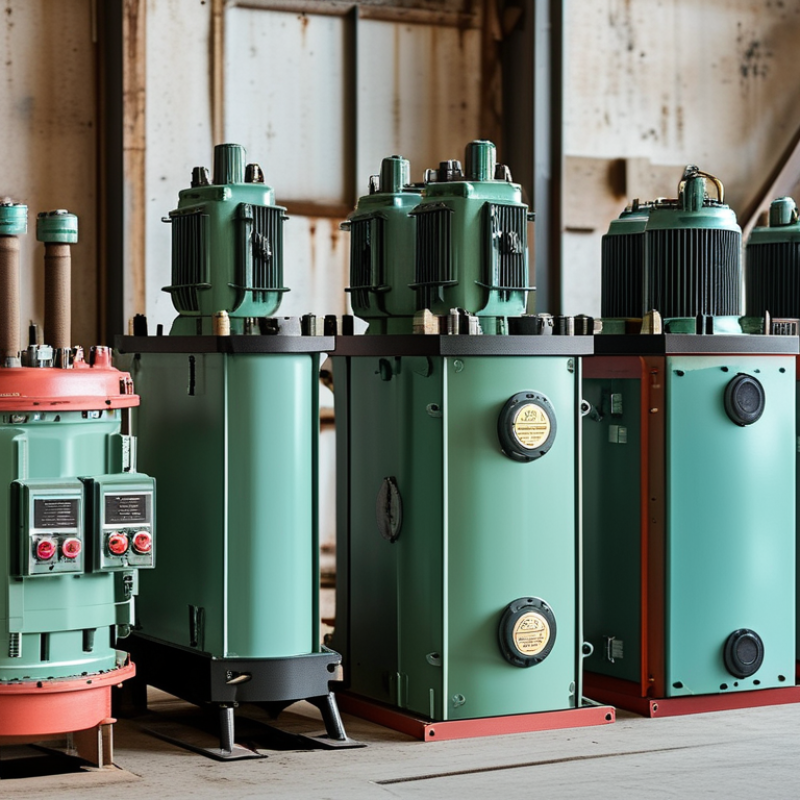
Understanding the Basics of Transformer Types and Functions
Transformers are essential devices in electrical systems. They change voltage levels for efficient power distribution. Understanding different types is crucial for selecting the right model. Power transformers, for instance, handle high voltages and large capacities. They are often used in generation and transmission applications.
On the other hand, distribution transformers serve lower voltage levels. These transformers facilitate the final delivery of electricity to homes and businesses. Specialty transformers, like isolation transformers, provide safety and noise reduction. Each type serves a specific purpose in the electrical landscape. It’s important to match the transformer’s capabilities with your specific needs. This prevents inefficiencies and potential hazards.
However, remember that not every transformer fits every situation. Overestimating requirements can lead to wasted investment. Likewise, underestimating can result in failure to meet power demands. Do your research and consult experts if needed. Reflecting on these factors helps in making informed choices.
Identifying Your Application Requirements for Transformer Selection
Identifying application requirements is crucial for selecting the right transformer. Start by understanding your voltage and current needs. Consider whether you need a step-up or step-down transformer. Different applications require various voltage levels. For instance, industrial machines may need higher voltages compared to residential devices.
Think about the power rating and frequency. A transformer must handle the maximum load without overheating. An overload can lead to a breakdown. Evaluate the environment too. Some transformers are designed for extreme temperatures, while others are not. If humidity is a factor, pick a unit with protective features.
Don't forget about efficiency. A more efficient transformer saves energy and reduces costs. However, higher efficiency might come with a higher initial price. Balancing cost and performance is essential. You may find it helpful to consult with experts in the field. They can provide insights based on experience. This dialogue can help clarify what you truly need.
Comparing Power Ratings and Voltage Levels for Different Transformers
When choosing the right transformer, comparing power ratings and voltage levels is essential.
Voltage ratings indicate the maximum voltage a transformer can handle. Common ratings include 120V, 240V, and 480V.
For example, a report from the Electric Power Research Institute reveals that over 55% of industrial transformers operate at 480V.
This highlights the necessity for businesses in industrial sectors to consider compatibility when selecting transformers.
Power ratings, measured in kilovolt-amperes (kVA), reflect a transformer's capacity.
A survey shows that 80% of facilities prefer transformers within the 25-150 kVA range.
This is crucial for smaller operations where high capacity is unnecessary. However, a miscalculation can lead to inefficiency.
An under-loaded transformer may waste energy, while an overloaded one risks overheating and failure.
Voltage level impacts performance and efficiency. Transformers are designed for specific applications.
For instance, step-down transformers are used in residential settings, typically converting 480V to 120V.
Conversely, step-up transformers serve industrial units. Each type has distinct applications.
Therefore, assessing both power ratings and voltage levels ensures that the transformer meets operational needs. Misalignment can cause operational setbacks and increased costs.
Evaluating Efficiency and Cost Considerations in Transformer Choices
When choosing a transformer, efficiency and cost are critical factors. Efficiency measures how much energy is effectively used versus wasted. According to the U.S. Department of Energy, transformers can have efficiency ratings from 95% to over 99%. Higher efficiency reduces energy costs over time, making it a significant consideration.
Costs involve not just the initial purchase. Maintenance and operational costs also matter. A report from the International Energy Agency (IEA) highlights that inefficient transformers can incur losses up to 10% per year. This loss translates into higher electricity bills. Choosing a model with a lower loss could lead to savings in the long run.
It’s essential to understand your specific requirements. Industrial applications might need heavier-duty transformers, while residential uses typically require lighter ones. Keep in mind that higher efficiency transformers usually come with a higher upfront cost. Reflect on how often you can justify that investment through savings. Consider the potential for energy price increases when planning for long-term efficiency and costs.
How to Choose the Right Type of Transformer for Your Needs?
| Transformer Type |
Efficiency (%) |
Cost ($) |
Best Use Case |
| Step-Down Transformer |
95 |
1500 |
Residential Equipment |
| Step-Up Transformer |
97 |
2000 |
Industrial Applications |
| Isolation Transformer |
98 |
2500 |
Sensitive Equipment |
| Auto Transformer |
90 |
1200 |
Voltage Regulation |
| Three-Phase Transformer |
96 |
5000 |
Large Scale Power Distribution |
Consulting with Experts and Resources for Optimal Transformer Selection
Choosing the right transformer can be challenging. Consulting with experts is crucial. Professionals have hands-on experience with different types. They understand the nuances of voltage, phase, and capacity requirements. Many offer assessments tailored to your specific needs. Their insights can prevent costly mistakes.
Utilizing resources like industry publications or online forums can also be beneficial. These platforms often provide case studies and practical advice. You can learn from others' experiences and challenges. However, the quality of information varies. Not all sources are reliable or up to date. Verify the credibility of the information before relying on it.
Engaging in conversations with industry experts and utilizing diverse resources is essential for effective transformer selection. Balancing expert advice and independent research leads to informed decisions. Remember, choosing a transformer affects performance and longevity. Each decision impacts operational efficiency. Reflect on past choices to refine your approach.