What is an Oil Immersed Transformer Series and How Does it Work?
The Oil Immersed Transformer Series plays a crucial role in modern electrical systems. These transformers are designed to handle high voltages and currents efficiently. Their design ensures effective cooling and insulation through oil immersion, which enhances their longevity and reliability.
In this series, oil serves dual purposes. It not only cools the internal components but also insulates and protects them from environmental factors. This integration of functions showcases the engineering ingenuity behind these transformers. However, it's vital to recognize potential drawbacks. For instance, oil leaks can pose environmental risks.
Understanding the Oil Immersed Transformer Series offers valuable insights into electrical engineering. It emphasizes the importance of proper maintenance. Regular checks can prevent unexpected failures. This not only safeguards infrastructure but also promotes sustainability. The knowledge around these transformers is continuously evolving, reflecting innovations in technology and practices.
What is an Oil Immersed Transformer Series?
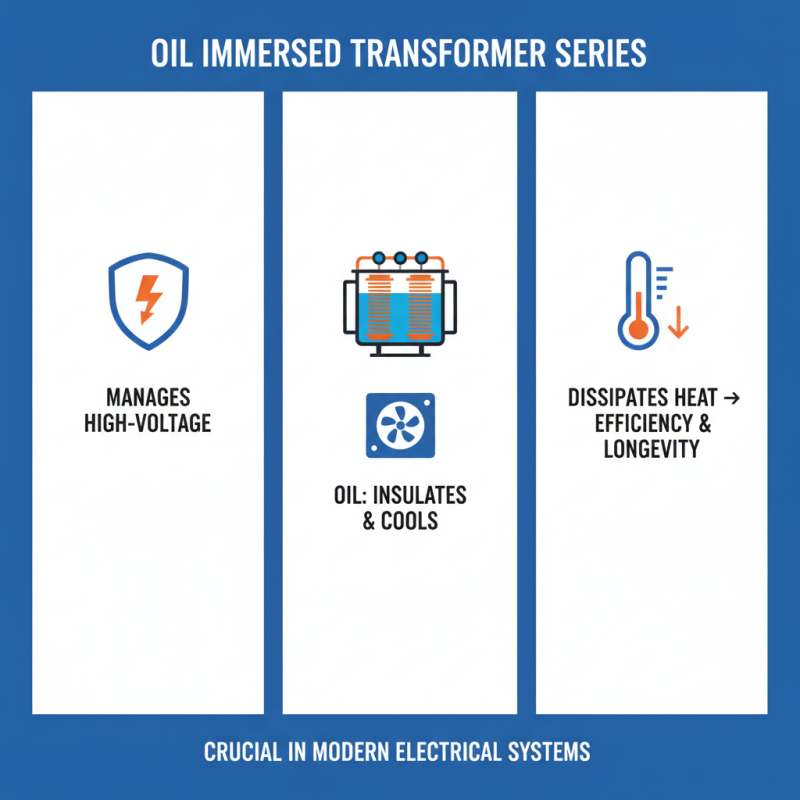
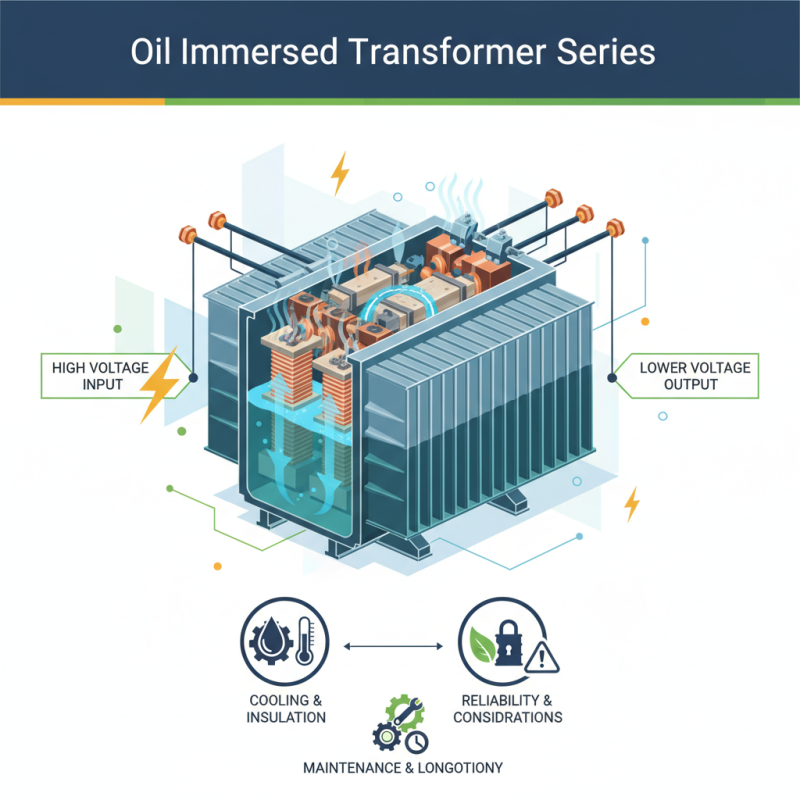
Oil immersed transformers are crucial in modern electrical systems. They are designed to manage high voltage electricity. These transformers use oil as an insulating and cooling medium. The oil helps to dissipate heat, ensuring the transformer operates efficiently. When electricity flows through the transformer, the oil absorbs excess heat generated during the process. This cooling mechanism enhances the longevity of the equipment.
One key aspect of oil immersed transformers is their construction. The design includes a sealed tank that holds the insulating oil. This setup prevents moisture from entering, which can compromise electrical performance. Regular maintenance checks are necessary to monitor oil levels and quality. Inspections ensure that the oil remains free from impurities. Contaminated oil can lead to failures and overheating.
Tips: Always check for oil leaks. They can indicate potential problems. A small, overlooked issue can escalate quickly, affecting overall transformer function. Keep records of maintenance activities. This helps identify trends and potential future issues in operation. Remember, while these transformers are resilient, neglect can undermine their effectiveness.
Principles of Operation for Oil Immersed Transformers
Oil immersed transformers are vital components in electrical distribution systems. They operate on the principle of cooling and insulation provided by oil. The transformer consists of windings and a core, all submerged in oil. This oil not only helps in efficient heat dissipation but also acts as an insulator.
The workings of these transformers are simple yet effective. When electrical energy flows through the primary winding, it creates a magnetic field. This field induces a voltage in the secondary winding. The oil ensures that the heat produced during this process is effectively absorbed, maintaining optimal operating temperatures.
Tips: Regular maintenance is essential. Check oil levels and quality periodically. Monitoring for leaks can prevent serious failures. Additionally, understanding the transformer's capacity is crucial. Overloading can lead to overheating, compromising the transformer’s efficiency and longevity.
However, oil immersed transformers are not without risks. The oil is flammable, requiring diligent safety measures. Environmental concerns also arise if oil leakage occurs. It is vital to approach operations with an awareness of these factors, ensuring a safe and efficient functioning of transformers.
Components of an Oil Immersed Transformer
Oil immersed transformers are essential components in electrical systems. They utilize oil for insulation and cooling. The oil serves multiple purposes, including minimizing the risk of electrical faults. It also helps in dissipating heat generated during operation.
The key components of an oil immersed transformer include the core, windings, and the tank. The core is usually made of laminated steel. This design reduces energy losses due to eddy currents. Windings are often made of copper or aluminum and carry the electrical current. These windings are coated with insulating material. Together, they create a magnetic circuit.
The tank holds the insulating oil and houses the core and windings. The oil level is critical; too low can lead to overheating. This can be a point of failure. Regular maintenance checks on oil quality are essential for longevity. A transformer must perform reliably. Any compromise in its components can lead to serious issues. Understanding these elements can improve operational efficiency.
Benefits of Using Oil Immersed Transformers
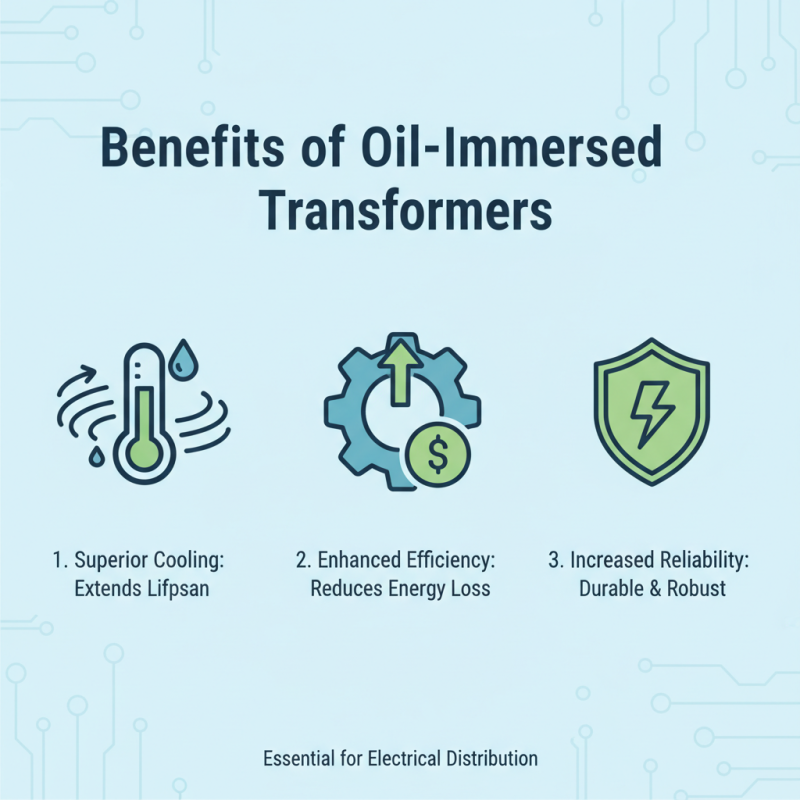
Oil immersed transformers are essential in electrical distribution. They offer several advantages that make them a preferred choice for many applications. One of the primary benefits is their excellent cooling capabilities. The oil inside the transformer absorbs heat, ensuring the unit operates at lower temperatures. This enhances efficiency and extends the lifespan of the transformer.
Another significant benefit is the enhanced insulation provided by the oil. This dielectric fluid not only cools but also acts as an insulating medium. It helps prevent electrical arcing and reduces the risk of breakdowns. Additionally, oil immersed transformers typically require less maintenance compared to their dry-type counterparts. This can save time and resources over the long term.
On the downside, oil-filled transformers require careful management of the oil to prevent leaks and environmental contamination. There is a need for regular checks and maintenance, which can be a challenge. Despite this, the advantages often outweigh these concerns, making them a prominent choice in the power industry.
Common Applications of Oil Immersed Transformers
Oil immersed transformers play a crucial role in various applications across the energy sector. Commonly used in power generation, they serve to efficiently manage high voltage electricity. The oil acts as both a coolant and an insulator, which significantly enhances the transformer’s performance and lifespan. According to a report from the International Energy Agency, over 60% of power transformers operating worldwide are of the oil-immersed type.
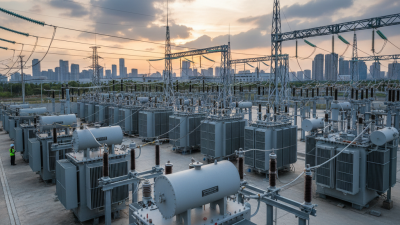
These transformers find extensive use in substations and industrial facilities. Their ability to handle high loads while maintaining thermal stability makes them ideal for urban power distribution networks. In rural areas, oil immersed transformers provide reliable energy, bridging the gap in energy access. Reports indicate that they usually require less maintenance than dry-type transformers, although they are not without challenges. Potential leaks of insulating oil may present environmental risks.
Applications also extend to renewable energy systems. In wind and solar farms, oil-immersed transformers are integral for voltage regulation. This helps to ensure the integration of renewable sources into the national grid. However, careful monitoring is essential to prevent issues related to overheating and contamination. Overall, oil immersed transformers continue to be pivotal in modern electricity distribution, despite their inherent complexities.