Leave Your Message

How to Choose a Box Type Substation Series Globally?

Choosing a Box Type Substation Series globally requires more than comparing prices, ratings, or enclosure designs. It demands a clear understanding of local networks, climate conditions, installation practices, and maintenance capacity. A substation used near a coastal port may need stronger corrosion protection than one installed inland. A dusty industrial site may require better sealing and easier filter inspection. These details often influence service life more than the nameplate rating.

Experienced engineers usually begin with the load profile, voltage level, short-circuit capacity, and future expansion plan. They then review applicable IEC, IEEE, and national requirements with the local utility. Compliance should be verified through test reports, factory inspections, protection studies, and traceable component documentation. Reliable suppliers should explain transformer losses, switchgear coordination, temperature rise, fire separation, and spare-parts support in practical terms. Ask for evidence.

The best Box Type Substation Series is not always the most compact or advanced model. It must fit the site, operators, budget, and risk level. Manufacturing quality matters. So does commissioning support. A technically strong design can still underperform when cable routing is awkward or maintenance access is ignored. That is an easy mistake to make. My own assessment would never depend on a brochure alone; field references and independent verification deserve equal attention. No checklist is perfect. Conditions change, and assumptions may be wrong. A careful global selection process therefore combines engineering calculations, local experience, documented testing, and honest review before purchase.
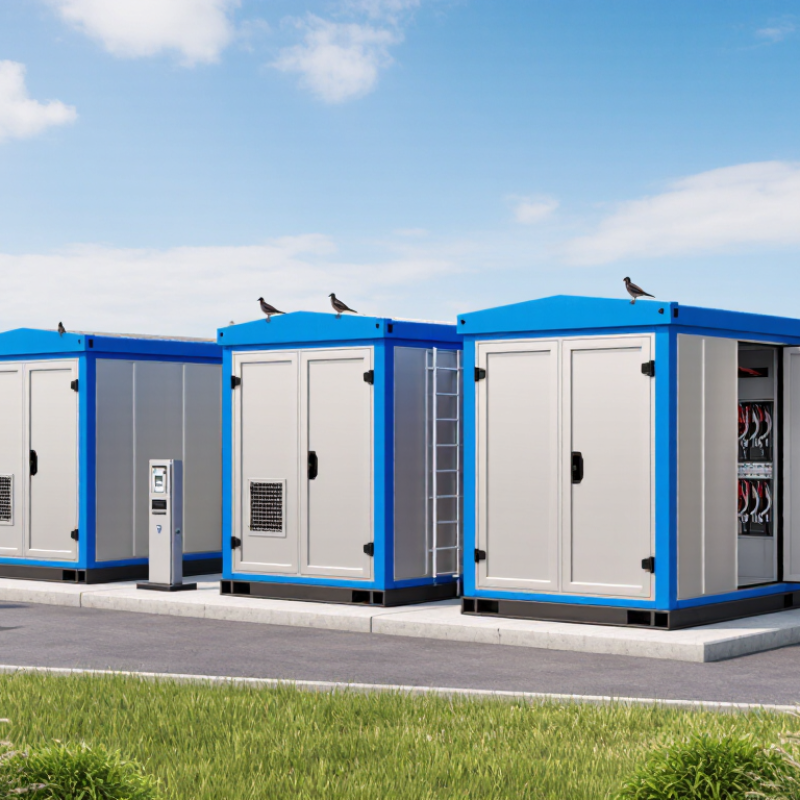
How to Choose a Box Type Substation Series Globally?

Define the Purpose and Operating Conditions of the Substation

How to Choose a Box Type Substation Series Globally?

Define the Purpose and Operating Conditions of the Substation

Start with the substation’s real duty, not its appearance. A distribution unit serving apartments differs from one feeding a factory or solar plant. The IEA’s Electricity 2024 report forecasts global electricity demand growth of about 3.4% annually through 2026. This growth makes accurate load planning essential. Record present demand, expected expansion, transformer capacity, fault levels, and required backup time. A compact enclosure may look efficient, but limited space can restrict maintenance and future upgrades.

Operating conditions often decide the enclosure design. Check ambient temperature, altitude, humidity, dust, salt exposure, flooding risk, and seismic activity. IEC 62271-202 provides a useful framework for high-voltage and low-voltage prefabricated substations. Ventilation must control heat without allowing water or insects inside. At high altitude, reduced air density can affect insulation and cooling. Coastal sites need stronger corrosion protection. These details are easy to overlook.

Tips: Create a site-condition sheet before requesting quotations. Include minimum and maximum temperatures, altitude, load profile, protection requirements, and access limits. Use measured data when possible. If data is missing, state the uncertainty clearly. A neat specification can still be wrong. Review it with an electrical engineer and a maintenance technician, because drawings rarely reveal every practical problem.
Compare Box-Type Substation Designs and Internal Components

How to Choose a Box Type Substation Series Globally?

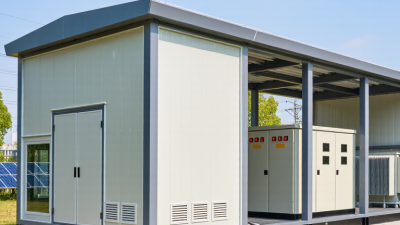
A box-type substation combines medium-voltage switchgear, a transformer, and a low-voltage panel inside one enclosure. Compact designs suit factories, solar parks, and urban projects with limited space. Split designs offer clearer separation between compartments and easier maintenance access. They usually require more land.

Look closely at the internal components. The medium-voltage section should include a load-break switch or circuit breaker, protection devices, and surge arresters. A reliable transformer needs suitable insulation, temperature monitoring, and pressure relief. The low-voltage panel should provide busbars, metering, outgoing breakers, and practical cable space. Small details matter.

They matter greatly.

From field inspections, poor ventilation often causes more trouble than the enclosure itself. Natural cooling may work in mild climates, but hot, dusty locations can require filtered vents or forced ventilation. Corrosion protection also deserves attention near coastlines. Earthing points should remain accessible after installation, not hidden behind cable covers.

A compact enclosure reduces transport and installation work, yet crowded components can slow fault repairs. That trade-off is easy to underestimate. Designers should check local grid rules, transformer losses, fault levels, fire separation, and accessibility requirements before selecting a series. International standards provide a useful baseline, but site conditions still challenge a clean comparison. Even a well-designed unit may need adjustment for altitude, humidity, wildlife, or unusual cable routes.

Match Voltage, Capacity, and Protection Requirements

Choosing a box type substation globally starts with the voltage profile, not the enclosure shape. Confirm the incoming and outgoing voltage, frequency, insulation level, and neutral arrangement. A unit designed for medium voltage may fail operationally if the grid has unusual fault levels or switching conditions. Local utility data matters.

Capacity must match both present demand and realistic growth. Calculate transformer load from measured equipment use, starting currents, diversity, and future expansion. A factory with large motors needs different headroom from a small commercial building. Avoid choosing capacity from connected load alone. It can create overheating, poor voltage regulation, or unnecessary cost.

Protection requirements should reflect the site, climate, and maintenance skills. Specify short-circuit withstand, overload protection, surge protection, earthing, and clear isolation points. Dusty or coastal locations may require stronger enclosure protection and corrosion control. In field assessments, cable termination space is often underestimated. That mistake complicates testing later. I have also seen oversized protection delay fault clearing, while undersized settings trip during normal motor starts. Coordinate relays with upstream and downstream devices, then verify settings through testing. Document the results in the local language when needed. A reliable selection also considers access for inspection, safe working clearances, spare parts, and emergency switching procedures. Do not treat a standard drawing as a site answer. Recheck the design against actual voltage measurements, load behavior, and fault studies before procurement.

How to Choose a Box-Type Substation Series Globally?

Match primary voltage, transformer capacity, and protection requirements

The chart compares representative box-type substation configurations commonly used in global distribution systems. A 10/0.4 kV unit is typical for local commercial or residential distribution, 20/0.4 kV is widely applied in medium-voltage networks, and 35/0.4 kV is suitable for longer feeders and larger industrial or utility-connected loads. Actual selection should verify load demand, short-circuit level, environmental conditions, enclosure requirements, and applicable IEC or local grid standards.

Protection guidance: MV vacuum circuit breaker or load-break switch, transformer overcurrent protection, LV molded-case or air circuit breaker, and surge protection. Reference basis: Representative IEC-oriented distribution practice; final ratings require a site-specific power-system study.

Evaluate Safety, Environmental, and Installation Conditions

Choosing a box type substation series globally starts with real site conditions, not a catalogue image. A safe design separates high-voltage, transformer, and low-voltage areas clearly. Doors should open outward, lock securely, and permit emergency access. Check grounding, touch voltage, arc-flash control, and protection coordination with qualified engineers. Local electrical codes must guide the final configuration.

Environmental exposure changes the enclosure requirements. Coastal sites may need stronger corrosion protection because salt settles inside small gaps. Hot climates demand heat calculations, shaded placement, and suitable ventilation. Cold regions require frost protection and reliable heater controls. Consider flooding, dust, altitude, seismic movement, and wildlife entry. An IP rating helps, but it cannot solve poor drainage.

Installation conditions often decide the practical box type. Measure transport routes, crane capacity, foundation tolerance, and working clearance before ordering. A compact unit may save land but create maintenance problems later. Leave space for cable bending, testing, and safe replacement. Confirm noise limits near homes and businesses. In field assessments, teams sometimes focus on transformer capacity and overlook soil bearing conditions. That mistake is expensive. Standards such as IEC or IEEE can support the specification, but local authorities still control approval. Recheck every assumption. A neat spreadsheet cannot replace a wet-site inspection.

Verify Standards, Maintenance Needs, and Supplier Capabilities

How to Choose a Box Type Substation Series Globally?

Verify Standards, Maintenance Needs, and Supplier Capabilities

Selecting a box type substation requires more than comparing rated voltage and price. Confirm compliance with applicable IEC standards, national grid codes, and project-specific safety rules. Request type-test and routine-test reports, not only a certificate cover page. Check short-circuit withstand, temperature rise, insulation levels, earthing, and enclosure protection. A small document gap can delay approval for months.

Maintenance planning should begin before delivery. Inspect cable compartments, busbar access, transformer oil levels, ventilation paths, and protection relays. Ask how technicians will isolate equipment safely in a narrow service area. Confirm inspection intervals, spare-part availability, and remote monitoring options. Dust, humidity, salt air, and extreme heat may change the recommended design. A standard maintenance schedule may be too optimistic.

Tips: Ask suppliers for a detailed maintenance matrix and three comparable project references. Visit the factory when possible. Review welding quality, wiring labels, torque records, and final inspection procedures. Check whether the supplier can provide local training, emergency response, and clear technical drawings. Do not accept vague delivery promises. A low purchase price can hide expensive downtime. I have found that supplier capability is often judged too late, after installation problems appear. Some decisions still rely on polished brochures instead of verified evidence.