Essential Tips for Choosing High Voltage Switchgear Series?
Choosing the right High Voltage Switchgear Series is a critical decision for any electrical system. High voltage switchgear plays a crucial role in ensuring safety and efficiency in power distribution. Proper selection impacts not only the performance of the electrical infrastructure but also the overall reliability of operations.
A variety of factors come into play when selecting high voltage switchgear. These include design standards, environmental conditions, and specific application needs. Understanding these elements is vital for making informed choices. Inadequate selection may lead to operational failures or safety hazards. Real-world examples show that poor decisions can lead to significant downtime and costly repairs.
Consulting with industry professionals can provide valuable insights. They offer expertise and knowledge that can help in navigating the complexities of high voltage switchgear. Prioritizing quality and compliance with standards is essential. The right choice fosters long-term reliability and enhances system performance. However, careful assessment and reflection on your needs are equally important to avoid common pitfalls.
Understanding High Voltage Switchgear and Its Applications
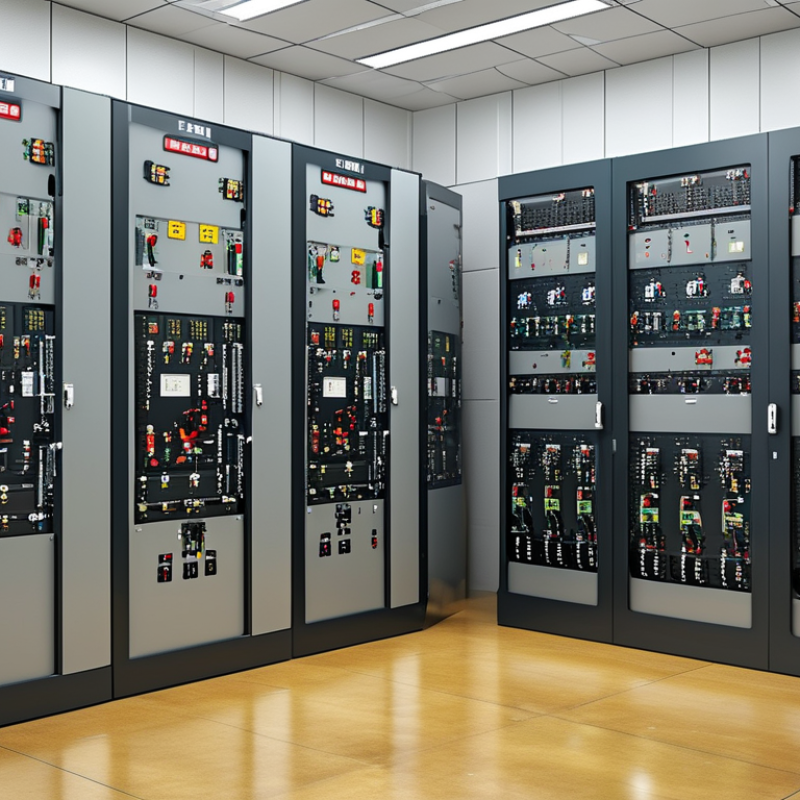
High voltage switchgear plays a critical role in electrical systems. Understanding its applications helps in making informed decisions when choosing the right equipment. These devices control, protect, and isolate electrical equipment, ensuring safety and reliability. Typical applications include power plants, substations, and industrial facilities.
When selecting high voltage switchgear, consider the operational environment. Factors such as temperature, humidity, and altitude can impact performance. Opt for switchgear with a robust design suitable for your specific location. It's essential to evaluate the switchgear's insulation and circuit interruption capabilities. These features significantly affect its effectiveness in preventing faults.
Regular maintenance is vital. A well-maintained switchgear system extends the life of the equipment. Schedule routine inspections to catch potential issues early. Ensure that you have qualified personnel for these tasks. This can help mitigate the risks associated with high voltage operations and improve system resilience. Communication with experts in the field can lead to better choices for your specific high voltage applications.
Key Factors to Consider When Selecting Switchgear Components
When selecting high voltage switchgear components, several key factors must be considered. The primary aspect is the rated voltage. Reliable data indicates that 75% of system failures are linked to components not suited for their voltage levels. Ensuring the switchgear can handle the operational environment is crucial. This includes assessing the temperature range and humidity levels where the switchgear will be installed.
Another significant consideration is the switching capacity. A report by the International Electrotechnical Commission highlights that improper switching ratings can lead to catastrophic failures. Understanding the load currents and fault levels in the system can prevent under-specification. Additionally, factors like short-circuit ratings are vital. A short-circuit current higher than the switchgear’s rating can result in severe damage.
Furthermore, analyze the maintenance needs of the switchgear components. Some systems, while cheaper upfront, require more frequent maintenance which can lead to higher long-term costs. An industry study suggests that 60% of organizations experience unplanned outages due to insufficient maintenance strategies. Ultimately, investing time in thorough analysis can yield better performance and reliability in high voltage applications.
Evaluating Performance Ratings and Specifications
When selecting high voltage switchgear, performance ratings are crucial. These ratings determine the reliability and efficiency of the equipment in critical applications. Industry reports indicate that equipment rated for 15 kV to 38 kV meets most medium voltage requirements. The specifications can vary significantly among manufacturers. Understanding these variations can prevent costly mistakes.
The temperature rise rating is another pivotal specification. Switchgear must operate effectively under high temperatures. According to the International Electrotechnical Commission (IEC), a rise limited to 40°C is standard for optimal performance. This rating helps ensure that switchgear functions safely during peak load conditions. Neglecting this can lead to significant operational downtime.
Another important aspect is short circuit withstand strength. The ability to handle fault currents directly impacts system reliability. Reports suggest that switchgear should have a minimum withstand strength of 25 kA for 1 second for most industrial applications. Some facilities, however, may require higher ratings based on their specific load and operational characteristics. It's essential to analyze your system's unique demands before making a final decision.
Safety Standards and Compliance for High Voltage Switchgear
When selecting high voltage switchgear, safety standards emerge as a critical consideration. Compliance with international regulations, such as IEC 62271, ensures that equipment meets stringent performance and safety requirements. This standard outlines testing methods and operational guidelines to mitigate risks. According to a report from the International Electrotechnical Commission, nearly 30% of electrical failures stem from non-compliance with standards. This statistic underscores the necessity of adhering to established safety protocols.
It's essential to understand the environmental factors that impact switchgear performance. High humidity, temperature extremes, and dust can compromise equipment integrity. A study by the IEEE indicates that inadequate protection leads to a 40% increase in maintenance costs. Investing in high-quality, compliant switchgear can minimize risks. Properly rated equipment can withstand harsh conditions, enhancing reliability.
Choosing switchgear that meets your region's safety standards is vital. Local codes may introduce additional requirements. It can be challenging to navigate these regulations without expert guidance. Many organizations find it beneficial to consult with industry professionals before making decisions. Independent evaluations and assessments can provide insights into compliance and safety.
Maintenance and Reliability Considerations in Switchgear Selection
When selecting high voltage switchgear, maintenance and reliability are critical factors. Regular maintenance schedules should be established based on operational demands. A well-maintained switchgear can minimize unexpected failures. Understanding the maintenance requirements of each series is vital. Some models may need more frequent checks, impacting overall costs.
Reliability in switchgear is often determined by its design and material quality. Components must withstand harsh environments and electrical stress. Look for options with a proven track record in similar applications. It’s helpful to assess historical performance data during your selection. This might highlight potential weaknesses and necessary precautions.
Consider the ease of accessing key components for routine inspections. Complex designs may complicate maintenance efforts. Select equipment that offers straightforward access to minimize downtime. Make sure trained staff can perform necessary tasks without specialized tools. Reflect on how your decisions affect uptime and long-term performance.