How to Identify Different Types of Transformer for Your Needs?
Choosing the right transformer for your application can be challenging. Understanding the different types of transformer is crucial. Each type serves unique purposes. If you fail to select the appropriate kind, it can lead to inefficiency or even equipment failure.
There are several types of transformer to consider. These include step-up, step-down, isolation, and current transformers. Each type has distinct characteristics and applications. For instance, step-up transformers increase voltage for long-distance transmission. Step-down transformers do the opposite, making voltage levels safe for homes or factories.
Assessing your specific needs can help narrow your choices. Factors such as voltage requirements, load capacity, and application are essential. However, many people overlook these details, which can result in incorrect decisions. Gaining knowledge about the types of transformer available is the first step to making informed choices. This can ultimately enhance efficiency and reliability in your electrical systems.
Understanding the Basics: What is a Transformer?
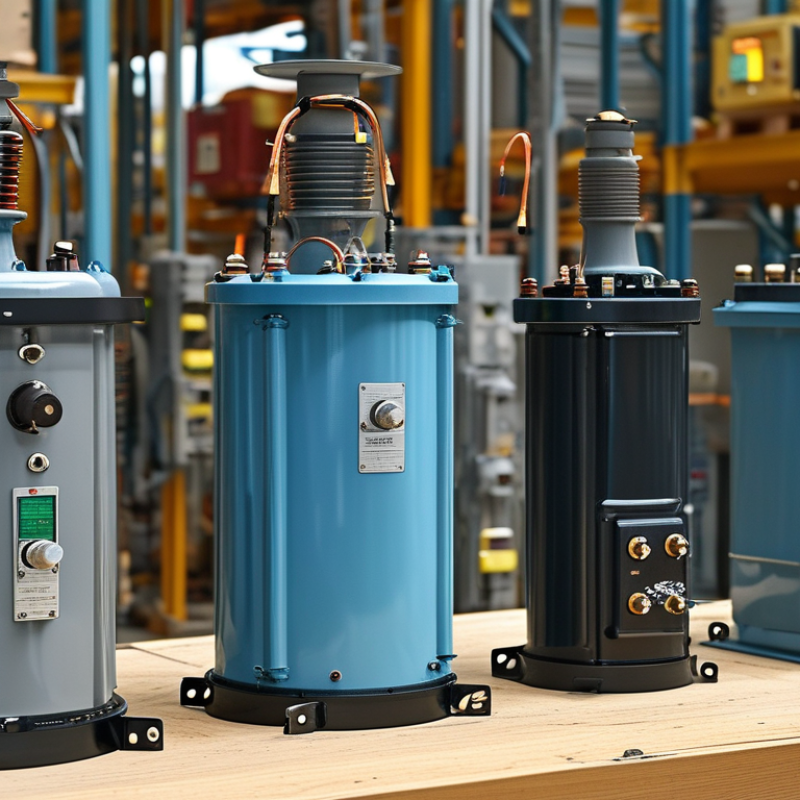
Transformers play a crucial role in electrical systems. They manage voltage levels, ensuring safe and efficient power distribution. At their core, transformers consist of coils of wire wrapped around a magnetic core. This design allows them to transfer electrical energy between circuits through electromagnetic induction.
Understanding the basics of transformers is essential for selecting the right type. According to the International Electrotechnical Commission (IEC), there are several transformer types, including step-up, step-down, and isolation transformers. Each serves different applications, from power generation to electrical isolation. For instance, step-up transformers increase voltage, making them vital in energy transmission over long distances. Meanwhile, step-down transformers reduce voltage for consumer use, optimizing safety and functionality.
Data from the U.S. Department of Energy indicates that transformers can account for nearly 5% of national energy consumption. Inefficiencies in these systems often lead to significant energy losses, prompting the need for regular maintenance and upgrades. Choosing the right transformer requires understanding not just the technical specifications, but also the operational environment and future needs. This consideration can lead to better energy efficiency and reduced long-term costs.
How to Identify Different Types of Transformer for Your Needs? - Understanding the Basics: What is a Transformer?
| Transformer Type |
Application |
Voltage Rating |
Phase |
Cooling Method |
| Step-down Transformer |
Household Applications |
220V/110V |
Single Phase |
Air-cooled |
| Step-up Transformer |
Power Generation |
110V/220V |
Single Phase |
Oil-cooled |
| Auto Transformer |
Voltage Regulation |
Up to 500V |
Single Phase |
Air-cooled |
| Isolation Transformer |
Electrical Isolation |
220V |
Single Phase |
Oil-cooled |
| Three-Phase Transformer |
Industrial Applications |
400V |
Three Phase |
Air-cooled |
Types of Transformers: Step-Up vs. Step-Down Explained
Transformers play a crucial role in electrical systems. Understanding the differences between step-up and step-down transformers is essential for efficient energy management. A step-up transformer increases voltage while decreasing current, making it ideal for long-distance transmission. This design minimizes energy loss over vast distances. When constructing power lines or substations, engineers often opt for this type.
On the other hand, step-down transformers reduce voltage to safer levels for residential use. They ensure that households receive stable electrical supply without risking overloads or hazards. These transformers are typically found in electrical poles and substations, acting as a bridge between high-voltage transmission lines and consumer devices. The choice ultimately depends on your specific requirements.
It's important to consider factors such as load capacity and efficiency when selecting a transformer. The right choice can enhance performance, but even minor miscalculations can lead to issues. Understanding the technical specifications and operational environments can help ensure reliable function. This decision-making process demands attention to details and could be improved with further research or expert consultation.
Key Specifications to Consider When Choosing a Transformer
Choosing the right transformer requires careful consideration of key specifications. One essential factor is the transformer's voltage rating. A miscalculation here can lead to equipment failure. According to the International Electrotechnical Commission, transformers should operate within 10% of their rated voltage for optimal performance.
Another crucial specification is the power rating, measured in VA or kVA. It's imperative to assess your application's demand accurately. Overloading a transformer can not only cause damage but may also void warranties. A report from the Electric Power Research Institute noted that improper sizing costs industries millions annually due to inefficiencies and failures.
Cooling methods are also significant. Some transformers use air, while others rely on oil. Each method has advantages depending on environmental conditions and space availability. If air cooling is insufficient, consider whether your setup can accommodate an oil-cooled system.
When making a decision, reflect on your current and future needs. It’s easy to overlook future expansion plans. Ensure your transformer can handle potential growth without sacrificing efficiency or reliability.
Types of Transformers and Their Specifications
This bar chart displays the power ratings of different types of transformers commonly used in electrical applications. Selecting the right transformer type depends on specific needs such as voltage levels and application requirements.
Application Needs: Industrial vs. Commercial Transformer Use Cases
Choosing the right transformer for your application is critical. Industrial and commercial transformers serve different functions.
In industrial settings, transformers often handle high voltages and large power loads. They are commonly used in manufacturing facilities, where machinery requires reliable and efficient power.
In contrast, commercial transformers are designed for office buildings, retail spaces, and smaller facilities. These setups typically need less power and focus on energy efficiency. The size and configuration of commercial transformers vary. They are often wall-mounted or placed in utility rooms to save space.
Understanding your specific needs is essential. Industrial transformers may require specialized cooling systems, while commercial units often emphasize compact designs. Mistakes in selection can lead to inefficiencies, increased costs, and safety hazards. It’s crucial to assess the demand and consult with experts to ensure you choose a transformer that meets your operational requirements.
Evaluating Efficiency Ratings: Standard Tests and Industry Benchmarks
When evaluating transformer efficiency, industry benchmarks play a crucial role. Understanding these benchmarks helps in selecting the right transformer for specific applications. Efficiency ratings reveal how much energy a transformer converts into usable power. Standard tests, like the no-load loss and load loss tests, provide reliable data on performance.
An efficient transformer minimizes energy waste. Selecting a transformer with a high efficiency rating reduces operating costs over time. Look for models that meet or exceed established efficiency standards. This attention to detail can lead to cost savings and lower environmental impact.
Consider load requirements when assessing efficiency ratings. A transformer may be efficient at one load but underperform at another. Keep in mind that the installation site can also affect performance. Some transformers may not be suitable for all environments. Taking these factors into account helps create a more informed decision.