Top 5 Best Box Type Substations to Consider in 2026?
The demand for efficient and compact energy solutions is growing. Box Type Substations (BTS) play a vital role in modern electrical distribution. These systems offer significant advantages in urban and industrial settings. According to a recent report by MarketsandMarkets, the global market for containerized substations is projected to reach USD 4.2 billion by 2026, illustrating a promising growth trajectory.
BTS provides flexibility and ease of installation. Their design minimizes footprint while maximizing functionality. However, not all Box Type Substations perform equally. It's essential to evaluate different models based on reliability, maintenance requirements, and cost-effectiveness. Industry experts emphasize the need for robust testing standards to ensure optimum performance.
As we approach 2026, understanding the best options available is crucial. While the benefits of BTS are clear, complexities in implementation may arise. Decision-makers should weigh the pros and cons carefully. The top models must address utility needs while considering future scalability. With rapid advancements in technology, the ideal BTS may continually evolve.
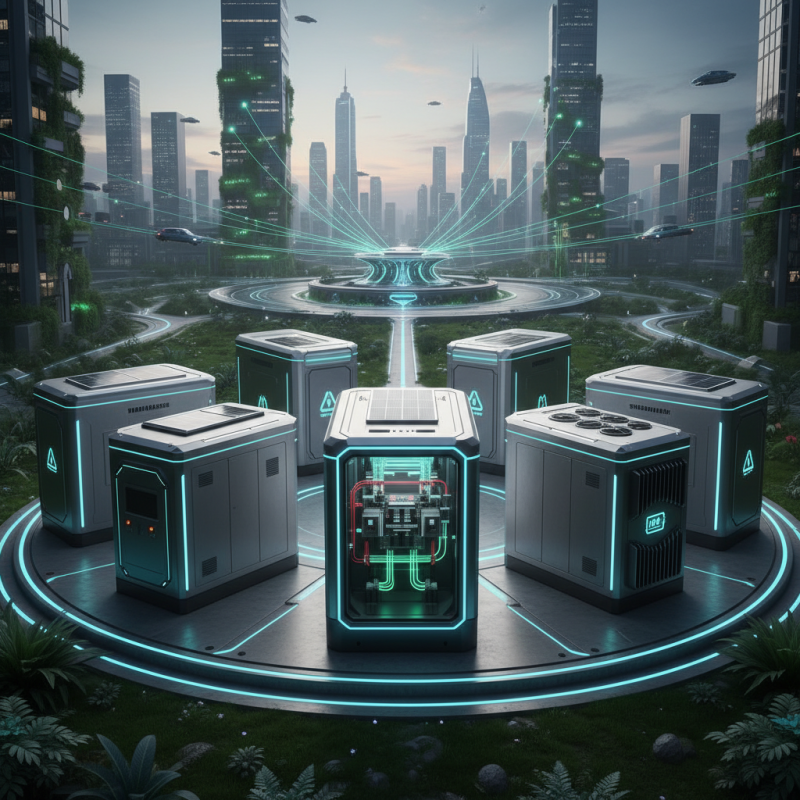
Overview of Box Type Substations and Their Importance in 2026
Box type substations are essential components of modern electrical distribution systems. Their compact design allows for easy installation and integration into urban environments. In 2026, the demand for these systems is projected to grow significantly, with industry reports indicating a 15% increase in their adoption across various sectors. This surge is driven by the need for enhanced energy efficiency and reliable power distribution in populous areas.
The importance of box type substations cannot be overstated. They facilitate smoother power management, reduce transmission losses, and improve overall grid stability. According to the International Energy Agency, substations equipped with advanced monitoring technology can achieve efficiency gains of up to 20%. Despite these benefits, there are still challenges. Maintenance remains a critical issue. Regular inspections are necessary to ensure optimal functioning and minimize outages.
Moreover, environmental concerns must be addressed. As cities expand, the placement of these substations needs careful consideration. It’s crucial to balance technological advancements with sustainability. As the industry evolves, more innovations are needed to create smarter, more adaptive substations that can meet future demands.
Top 5 Best Box Type Substations to Consider in 2026
Key Features to Look for in Box Type Substations
When selecting box type substations, several key features must be prioritized.
Efficiency is crucial; modern substations should boast energy loss of less than 5%.
According to recent industry data, about 70% of energy losses occur in transformer distribution.
Therefore, choosing equipment with high operational efficiency can drastically reduce costs and environmental impacts.
Another important factor is the ingress protection rating.
Substations need robust designs that can withstand external conditions.
Ratings of IP54 or higher provide excellent protection against dust and water.
This ensures longevity and reliability. Additionally, thermal management is vital.
Advanced cooling systems can enhance transformer performance, reducing overheating risks by up to 30%.
Monitoring capabilities are increasingly relevant.
Smart substations integrate IoT devices for real-time tracking of performance metrics.
A report from the International Energy Agency indicated that intelligent monitoring could improve fault detection rates by 15%.
However, some facilities still lack real-time data capabilities.
This gap can lead to inefficiencies, highlighting the need for ongoing technological adoption in the sector.
Top 5 Box Type Substations to Consider for Efficiency and Reliability
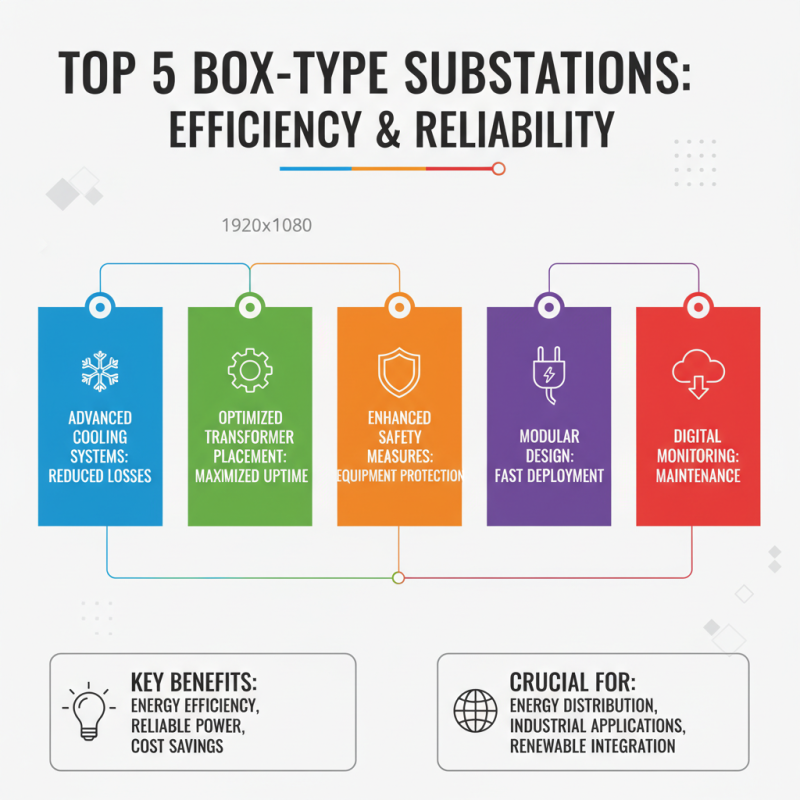
When selecting box-type substations for efficiency and reliability, several factors come into play. These substations are crucial for energy distribution, and their design significantly affects performance. Key elements include cooling systems, transformer placement, and safety measures. A well-planned substation reduces losses and maximizes uptime.
A blend of compactness and accessibility is vital. Substations should fit into diverse environments yet allow for easy maintenance. Each component must function seamlessly. Regular checks help maintain reliability, but some features can be overlooked. For instance, outdated monitoring systems may lead to inefficiencies. Implementing smart technologies can enhance operational insights.
Cost and efficiency are often at odds. While initial investments may be high, long-term savings are substantial. Balancing upfront costs with future benefits requires careful analysis. Specifications like load capacity and environmental impact are critical. Understanding these parameters ensures better decision-making. Recognizing the imperfections in existing models can drive improvements and innovation in future designs.
Comparative Analysis of the Best Box Type Substations Available
The market for box type substations is rapidly evolving. As we look toward 2026, several vital aspects must be considered. These substations offer space-saving designs ideal for urban settings. Their compact nature reduces land requirements while maintaining efficiency. A comparative analysis reveals varying performance metrics, with some models excelling in durability and others in energy efficiency.
Efficient cooling systems are a crucial feature. Some designs offer advanced air circulation techniques. Others rely on traditional methods that may not meet future demands. Reliability in power distribution is non-negotiable. A subpar choice could lead to outages, impacting businesses and communities. Assessing insulation types is also essential. Materials affect heat dissipation and overall safety.
A thorough assessment can highlight both strengths and weaknesses of each option. Users often overlook maintenance implications. Some models require more frequent checks, which can increase operational costs. Examining user feedback provides insights into real-world performance. Understanding these factors is essential for making informed decisions in the coming years. A diligent approach can help avoid costly mistakes in infrastructure planning.
Future Trends in Box Type Substations and Emerging Technologies
Box type substations are evolving rapidly due to technological advancements. In 2026, we can expect to see significant trends affecting their design and functionality. Smart grid technology will play a crucial role. Enhanced digital communication will allow for better monitoring and control of energy distribution. This will lead to increased efficiency and reduced downtime.
Tip: Consider how integrating IoT devices can enhance operations. They can provide real-time data and predictive analytics.
Sustainability is becoming a priority. Substations will likely incorporate renewable energy sources more frequently. Solar panels and wind energy integration will reduce reliance on traditional grid power. This shift is necessary for addressing climate change challenges.
Tip: Evaluate potential sites for renewable installations. Proper planning can optimize energy output and reduce costs.
Energy storage technologies are also advancing. Battery systems can store excess energy and ensure reliability during peak demand. These innovations allow substations to become more resilient against outages and fluctuations.
Tip: Research energy storage options. Understanding their capabilities can inform better investment decisions.
Top 5 Best Box Type Substations to Consider in 2026
| Feature |
Substation Type A |
Substation Type B |
Substation Type C |
Substation Type D |
Substation Type E |
| Capacity (MVA) |
10 |
15 |
20 |
25 |
30 |
| Voltage Level (kV) |
11 |
15 |
20 |
33 |
66 |
| Cooling Method |
Natural |
Artificial |
Hybrid |
Natural |
Artificial |
| Transformers Type |
Oil-immersed |
Dry Type |
Oil-immersed |
Dry Type |
Oil-immersed |
| Expected Lifespan (Years) |
30 |
25 |
40 |
30 |
35 |