What is High Voltage Switchgear Series and How to Choose?
High Voltage Switchgear Series plays a crucial role in electrical distribution systems. These devices manage and control high voltage electricity, ensuring the safety and efficiency of power systems. Their design and functionality must align with specific operational needs.
Selecting the right High Voltage Switchgear Series requires careful consideration. Factors include voltage ratings, interrupting capacity, and the environmental conditions they will face. Each series offers various options, each serving particular applications. However, complexities exist that may lead to uncertainty in decision-making.
Understanding the intricacies of High Voltage Switchgear Series is essential. Misjudgments can result in significant operational issues. It's important to evaluate each choice thoroughly and consult with experienced professionals in the field. This approach can lead to a reliable and effective switchgear solution.
What is High Voltage Switchgear and its Importance in Power Systems?
High voltage switchgear plays a crucial role in modern power systems. It functions as a control and protective apparatus for electrical equipment handling high voltages, typically above 1 kV. According to the International Electrotechnical Commission, the global market for switchgear is projected to reach $250 billion by 2026, reflecting its increasing significance in electrical grids around the world. The primary functions of high voltage switchgear include isolating equipment, enabling maintenance, and ensuring safety during faults or overloads.
In power systems, reliability is key. High voltage switchgear minimizes the risk of electrical failures and enhances the continuity of supply. It directly impacts energy distribution efficiency. Ineffective switchgear can lead to costly outages. A recent report from market analysts noted that the failure rate of substation components can be reduced by over 30% with the proper selection of switchgear, underscoring its importance. Choosing the right switchgear involves assessing voltage levels, operational environment, and maintenance requirements.
Understanding the nuances can be complex. Users must evaluate factors like installation space and future scalability. Balancing costs with operational efficiency is vital. A breakdown in high voltage switchgear can lead to more than just financial loss; it risks safety and operational integrity. Therefore, decisions must not be taken lightly, with careful consideration this can lead to a more robust power system.
What is High Voltage Switchgear Series and How to Choose?
| Parameter |
Description |
Importance |
| Voltage Rating |
Nominal voltage levels for operation, typically ranging from 1 kV to 765 kV. |
Ensures the switchgear can safely operate within the desired voltage range. |
| Current Rating |
The maximum continuous current the switchgear can carry, expressed in amperes (A). |
Critical for preventing overheating and ensuring reliability in power distribution. |
| Short-Circuit Rating |
The maximum fault current the switchgear can withstand without damage. |
Safety measure to protect equipment from catastrophic failures during faults. |
| Insulation Level |
Voltage rated for insulation to prevent breakdown under normal and transient conditions. |
Essential for ensuring safe operation and compliance with standards. |
| Type of Switchgear |
Types include air-insulated, gas-insulated, and hybrid switchgear. |
Affects space requirements, performance, and cost of the installation. |
| Application |
Used in power generation, transmission, and distribution networks. |
Critical for managing electrical flow and maintaining grid stability. |
Key Components and Functionality of High Voltage Switchgear Systems
High voltage switchgear systems play a crucial role in electrical power distribution. They help manage electricity in transmission and distribution networks. Understanding their key components can enhance system reliability and safety. Key components include circuit breakers, disconnect switches, and transformers. Each part has a unique function. For instance, circuit breakers interrupt power flow during fault conditions, providing protection.
The functionality of high voltage switchgear systems impacts overall performance. A recent report by the International Energy Agency highlighted that approximately 80% of electricity incidents arise from switchgear failure. This statistic underscores the importance of selecting the right switchgear. Factors to consider include voltage level, insulation type, and maintenance needs. Additionally, environmental conditions can influence the choice. Use of materials that withstand corrosion and temperature variations is vital.
In choosing high voltage switchgear, consider its load requirements and operational demands. Aligning these specifications with industry standards will reduce long-term risks. Regular inspections and preventive maintenance can help mitigate unexpected failures. However, even the most resilient systems require thoughtful implementation. This reflection is essential to ensure longevity and reliability in high voltage applications.
Comparative Analysis of Different Types of High Voltage Switchgear
High voltage switchgear plays a crucial role in ensuring the reliability and safety of electrical power systems. Understanding the various types of high voltage switchgear is essential when making the right choice for your specific application. Different designs, such as air-insulated switchgear (AIS) and gas-insulated switchgear (GIS), offer unique advantages and challenges. Reports indicate that AIS is typically favored for its simplicity, cost-effectiveness, and ease of maintenance, while GIS is preferred in space-constrained environments due to its compact design.
The choice between AIS and GIS can significantly affect operational efficiency. AIS is generally less expensive to install, with a market share of approximately 60% in utility sectors. GIS, though more expensive, shows a growing market trend with an expected annual growth rate of 7% over the next five years, due to its reliability and reduced maintenance requirements. The environmental conditions play an important role as well. AIS may struggle in harsh weather, while GIS excels in challenging environments.
When selecting high voltage switchgear, key considerations must include safety, environmental factors, and lifecycle costs. The initial investment in GIS may be justified through reduced operational disruptions and longer service life. However, organizations must assess their specific needs and budget constraints. Continue to reevaluate the evolving technology and market trends to ensure optimal performance and safety of your electrical installations.
Comparative Analysis of Different Types of High Voltage Switchgear
How to Evaluate and Select the Appropriate High Voltage Switchgear
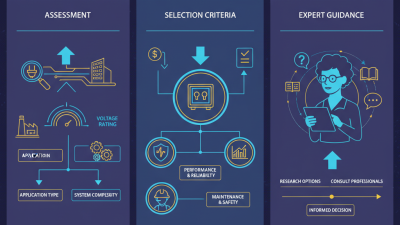
Evaluating and selecting high voltage switchgear is crucial for any electrical project. Start by understanding the specific requirements of your application. Consider voltage ratings, current capacities, and environmental conditions. High voltage switchgear can be used in various settings, from industrial plants to renewable energy facilities. Each environment presents unique challenges.
Next, assess the safety features of the switchgear. It’s vital to ensure that it meets relevant industry standards. Features like arc flash protection and proper insulation levels play a significant role in operational safety. You may also want to look into the maintenance requirements. Some switchgear models might demand more frequent inspections and repairs, increasing operational costs.
Finally, consult with industry experts or use trusted resources when making your choice. They can provide insights into performance and reliability. It's essential to weigh all options carefully. A wrong decision could impact long-term operational efficiency. Consider reaching out to professionals in this field to reflect on any gaps in your knowledge and ensure a better selection process.
Industry Standards and Compliance Considerations for High Voltage Switchgear
High voltage switchgear plays a vital role in electrical systems. Adhering to industry standards is essential for safety and reliability. The International Electrotechnical Commission (IEC) and the Institute of Electrical and Electronics Engineers (IEEE) set key guidelines. Compliance ensures that switchgear operates effectively under stress. Reports show that 75% of electrical failures arise from non-compliance with such standards.
Evaluating compliance involves several factors. Manufacturers must meet safety ratings and performance criteria outlined in the IEC 62271 series. Regular inspections and maintenance are also crucial. A 2022 study highlighted that facilities adhering to these standards show a 40% reduction in downtime. However, many organizations struggle with the implementation of these protocols. The complexity can lead to oversights, ultimately compromising system integrity.
Understanding local regulations is equally important. Each region may have its unique requirements. For instance, European and North American regulations differ in insulation and protection specifications. Failing to account for these variations can lead to costly mistakes. Transitioning to compliant systems requires careful planning and expert guidance. Often, companies find themselves in a difficult situation due to inadequate internal knowledge. The balance between budget constraints and compliance needs can be challenging but is essential for long-term reliability.