10 Best Low Voltage Switchgear Options for Your Electrical Needs?
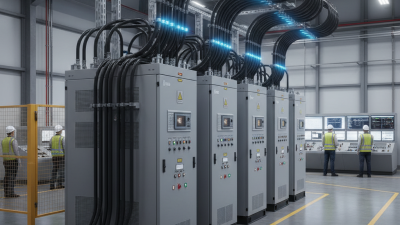
In the world of electrical engineering, Low Voltage Switchgear plays a pivotal role in the distribution and control of electrical power. A recent market analysis by Global Market Insights indicated that the low voltage switchgear market is expected to surpass $40 billion by 2025, reflecting increased industrial growth and urbanization. These devices are not merely components; they ensure safety, reliability, and efficiency in power systems.
Choosing the right Low Voltage Switchgear can significantly impact operational efficiency. The right equipment can optimize energy use, reduce downtime, and enhance the longevity of electrical assets. However, not all options provide these benefits. Many facilities still rely on outdated models, risking failures that can disrupt operations. This necessity for modern solutions highlights the importance of recognizing the inherent qualities of high-performing switchgear.
As organizations strive for energy efficiency and compliance with stringent standards, informed decisions on low voltage switchgear become paramount. It's vital to approach these choices with careful consideration, weighing both technical specifications and real-world performance. This exploration seeks to outline the ten best low voltage switchgear options available today, providing insights rooted in industry expertise and data-driven evaluations.

Overview of Low Voltage Switchgear and Its Importance
Low voltage switchgear plays a critical role in electrical distribution systems. These devices manage, control, and protect electrical circuits. Reports indicate that the global low voltage switchgear market is expected to grow significantly, with a CAGR of over 5% from 2022 to 2028. This growth is driven by the increasing demand for electricity and the growing need for reliable electrical infrastructure.
The importance of low voltage switchgear cannot be overstated. It enhances safety by preventing overloads and short circuits. Additionally, it supports efficient energy management. Proper functioning of this equipment reduces downtime and operational costs. An industry study revealed that poor switchgear performance can lead to significant financial losses, emphasizing the need for careful selection and maintenance.
Tip: Regular inspections and maintenance of switchgear can extend its lifespan. Ensure that all connections are tight and clean. Evaluate the load capacity regularly to avoid overloads. Remember, neglecting these practices can lead to unexpected failures. This not only affects equipment longevity but also impacts overall energy efficiency. Prioritize quality in your selection process, keeping both safety and performance in mind.
10 Best Low Voltage Switchgear Options for Your Electrical Needs
This chart represents the capacity ratings of various low voltage switchgear options, highlighting their importance for different electrical needs.
Key Features to Consider When Selecting Low Voltage Switchgear
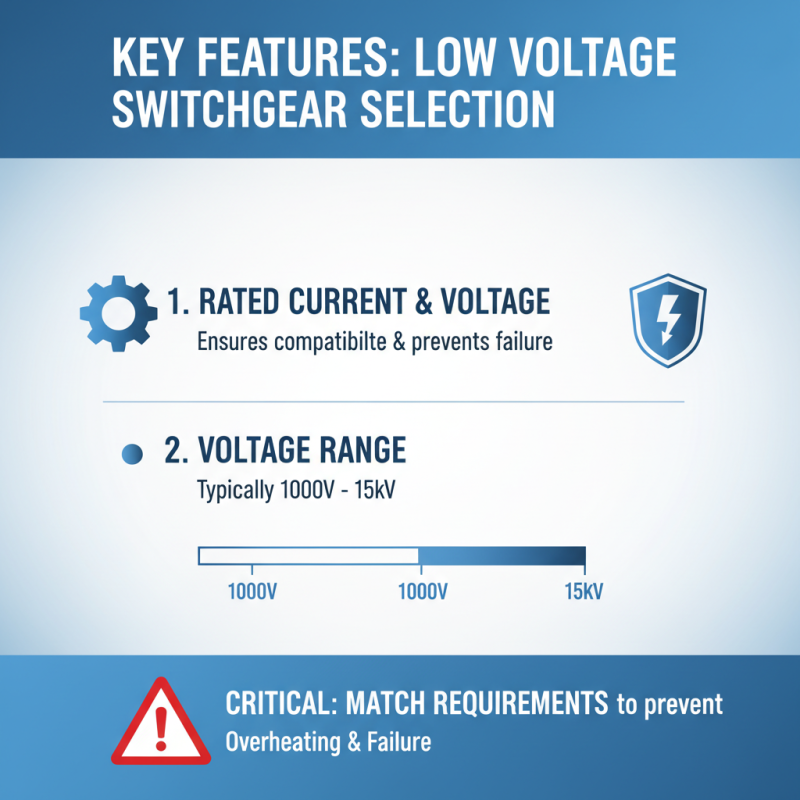
When selecting low voltage switchgear, several key features are essential to ensure reliability and safety. The rated current and voltage are vital parameters. Reports indicate that most switchgear operates within a range of 1000V to 15kV. Selecting a switchgear unit that meets your specific voltage requirements is crucial. Inadequate rating could lead to overheating or failure.
Another critical feature is the short-circuit withstand strength. According to industry standards, switchgear must handle short-circuit currents effectively to protect connected equipment. A study from the Electrical Power Research Institute highlights that systems should be designed to withstand at least 30% more than the expected fault current. Circuit protection mechanisms, like fuses and circuit breakers, should be evaluated closely. This aspect is often overlooked.
Furthermore, consider the physical dimensions and layout. Compact designs can save space but may compromise thermal management. A report by the International Electrotechnical Commission suggests that proper ventilation is essential for maintaining operational efficiency. Low voltage switchgear designs often require ongoing evaluation to ensure they meet evolving safety standards. Conducting regular assessments can mitigate risks associated with outdated systems.
Top 10 Low Voltage Switchgear Options for Various Applications
Low voltage switchgear is essential for various applications in electrical systems. Choosing the right switchgear ensures safety and efficiency. Here are top options to consider for your specific needs.
One option is modular switchgear, ideal for facilities that expand over time. It allows for easy upgrades without extensive downtime. Compact designs fit well in limited spaces. Pay attention to ratings and specifications. Ensure they match your electrical load requirements.
When selecting switchgear, think about its monitoring features. Smart switchgear provides real-time data on performance. This capability can enhance operational reliability. Consider systems with built-in diagnostics to preemptively flag issues.
Tips: Always consult with an electrical engineer before making a choice. Their expertise can help avoid potential pitfalls. Review installation guidelines thoroughly. Proper installation is crucial for safety and longevity.
Comparison of Performance Metrics Among Leading Switchgear Brands
When exploring low voltage switchgear options, it's essential to evaluate performance metrics thoroughly. Metrics such as short-circuit ratings, thermal performance, and operational reliability are crucial in selecting the right switchgear. Each metric reveals unique strengths and weaknesses among various brands. Understanding these variations helps ensure optimal performance for specific electrical applications.
Comparative analysis of these metrics shows distinct differences. Some switchgear may excel in efficiency but lag in cost-effectiveness. Others might provide advanced features, yet their complexity could lead to increased maintenance. A brand’s reputation often influences choices, but user reviews can provide a reality check on performance. Not all high-rated options meet every need, reflecting the importance of tailored assessments.
While industry standards exist, not every brand follows them consistently. Discrepancies in thermal management, for example, can lead to unexpected failures. Users should remain wary of overly optimistic claims. Real-world performance can differ significantly from specifications. Evaluating a mix of professional feedback and real user experience often reveals deeper insights into expected performance. Balancing these factors is key to making informed decisions.
10 Best Low Voltage Switchgear Options for Your Electrical Needs
| Specification |
Option 1 |
Option 2 |
Option 3 |
Option 4 |
Option 5 |
| Rated Current (A) |
630 |
800 |
1000 |
1250 |
1600 |
| Insulation Level (kV) |
1.2 |
1.5 |
1.2 |
1.5 |
1.2 |
| Short-Circuit Current Rating (kA) |
25 |
35 |
50 |
65 |
80 |
| Weight (kg) |
200 |
250 |
300 |
350 |
400 |
| Housing Material |
Stainless Steel |
Aluminium |
Carbon Steel |
Composite |
Plastic |
Maintenance Tips for Longevity of Low Voltage Switchgear Systems
Maintaining low voltage switchgear systems is crucial for ensuring their longevity and optimal performance. Regular inspections can help identify potential issues early. Check connections for any signs of corrosion or wear. A quick visual assessment can often reveal problem areas that need attention. Dust and dirt accumulation can also affect performance, so keep components clean and free from debris.
Routine testing is essential. Perform functionality tests to ensure that the switchgear operates as intended. Monitor temperature levels during operation to detect any overheating. If any anomalies arise, investigate promptly. Avoid ignoring minor issues; they can escalate into more significant problems later. Developing a structured maintenance schedule is also beneficial, as it creates accountability for regular upkeep.
Training staff on operational protocols is vital. Proper operation can prevent avoidable wear. Even with diligent maintenance, remember that certain parts may require replacement over time. Be proactive about sourcing quality components when replacements are needed. Stay informed on best practices to improve your overall maintenance approach. This ongoing commitment will ultimately enhance the reliability of your low voltage switchgear.