How to Choose the Right Dry Type Transformer for Your Needs?
Choosing the right Dry Type Transformer is crucial for efficiency and safety. As industries shift toward sustainability, dry type transformers become essential. In a report by the International Electrotechnical Commission, the demand for such transformers is projected to grow by 5% annually over the next five years.
Experts emphasize the importance of making informed decisions. John Smith, a leading transformer engineer, states, "Selecting the right dry type transformer can significantly impact energy savings and environmental footprint." Choosing a transformer involves understanding load requirements, installation location, and environmental concerns.
Heightened awareness of energy efficiency and safety standards is now evident. However, many still overlook these critical factors, leading to inadequate system performance. The challenge lies in balancing cost with quality. Potential buyers must research options thoroughly and consult industry professionals. Making a well-informed choice can yield long-term benefits while minimizing risks.
Understanding the Basics of Dry Type Transformers
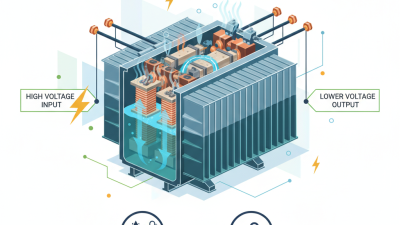
Dry type transformers are crucial in various applications, especially in commercial and industrial settings. Unlike their oil-filled counterparts, they use air for cooling. This makes them safer and more environmentally friendly, but also more vulnerable to certain conditions. Understanding their design can help you make informed choices.
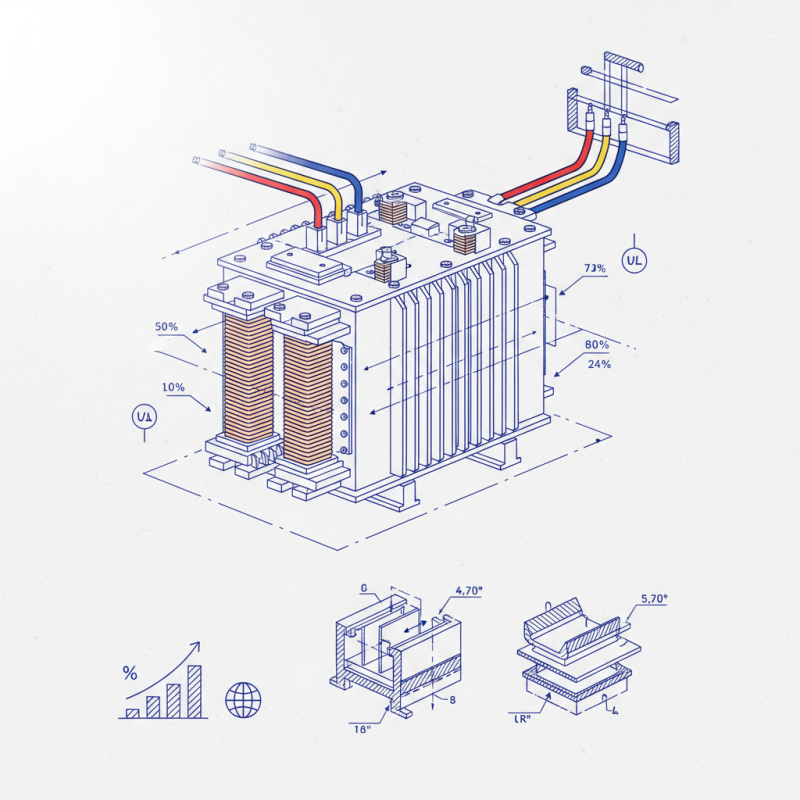
A dry type transformer consists of windings and insulation materials, which impact its performance. The insulation level determines the transformer's capacity to handle electrical stress. Materials like epoxy resin or fiberglass are commonly used, offering varying degrees of durability. However, these options might not withstand extreme heat or moisture as effectively. Regular maintenance and checks are essential to ensure long-term reliability.
When choosing a transformer, consider its location and operating environment. High humidity or dust can affect performance. It’s also important to think about load requirements. Underestimating the load can lead to overheating. Consulting with an expert can offer insights tailored to your specific needs. Knowing these fundamentals can lead you to the right decision.
Identifying Your Power Requirements and Load Types
Choosing the right dry type transformer begins with understanding your power needs. Identify the total wattage required for your project. Consider the types of loads involved. Resistive loads, like heaters, behave differently than inductive loads, such as motors. Knowing these differences helps in making informed choices.
Next, assess the environment where the transformer will be applied. Dry type transformers are often used in indoor settings. However, outdoor installations have unique challenges. Temperature, humidity, and ventilation can impact performance. Lighting conditions and available space should also be factored in.
It's essential to consider the future scalability of your power needs. Your requirements may grow over time, necessitating adjustments or upgrades to the transformer. Choosing a model that allows for expansions can save costs down the line. Reflect on how often your power load fluctuates. A transformer that's too large for your current needs will waste energy. On the flip side, an undersized transformer can lead to failures. Make sure to balance immediate needs with long-term goals.
Evaluating Different Dry Transformer Designs and Technologies
When selecting a dry type transformer, understanding the different design options is crucial. Various types exist, including cast resin and vacuum encapsulated models.
Cast resin transformers offer low maintenance and strong resistance to moisture. However, their size can be a limiting factor in compact spaces. On the other hand, encapsulated transformers are lighter and easier to install but may have reduced cooling efficiency.
Moreover, it is essential to evaluate the insulation system. Many designs use materials such as epoxy resin, which provides excellent thermal performance. This helps in ensuring reliable operation under diverse environmental conditions. Yet, while epoxy resin offers durability, it may not withstand extreme temperature fluctuations as well as some alternatives.
Consider the operational environment of the transformer. For indoor facilities, acoustic performance might be a priority. Dry transformers can emit noise, which could be disruptive. For outdoor use, humidity and temperature extremes are critical factors.
Evaluating these aspects will lead to better choices. Reflecting on practical needs and conditions allows for an informed decision, balancing advantages and limitations in the selection process.
Considering Environmental Factors and Installation Locations
When selecting a dry type transformer, environmental factors play a crucial role. Consider the installation location and its impact on transformer performance and longevity. Factors like temperature, humidity, and dust levels can affect the operation. For instance, a humid environment may lead to increased insulation degradation. Dust accumulation can cause overheating.
Choose a transformer designed for specific conditions, such as outdoor use. Outdoor transformers often feature weatherproof casings. Ensure proper ventilation to prevent overheating in enclosed spaces. The elevation and surrounding landscape should also be on your radar. High altitudes can reduce cooling efficiency.
Reflect on the long-term effects of your installation choices. Over time, harsh environments can lead to unexpected failures. Regular maintenance becomes essential to prolong the lifespan. Do not underestimate the importance of an appropriate selection process. Taking all these factors into account leads to better reliability and efficiency.
How to Choose the Right Dry Type Transformer for Your Needs?
| Transformer Type |
Power Rating (kVA) |
Cooling Method |
Mounting Type |
Environmental Considerations |
| Single-Phase |
10-100 |
Natural Air Cooling |
Wall-Mounted |
Indoor Use, Less Dust |
| Three-Phase |
100-1000 |
Forced Air Cooling |
Floor-Mounted |
Outdoor Use, High Humidity |
| VPI Transformer |
75-500 |
Natural Air Cooling |
Skid-Mounted |
Indoor/Outdoor, High Shock |
| Cast Resin |
100-2000 |
Natural Air Cooling |
Indoor/Outdoor |
Moisture Resistant, High Altitude |
Assessing Cost, Efficiency, and Maintenance Requirements
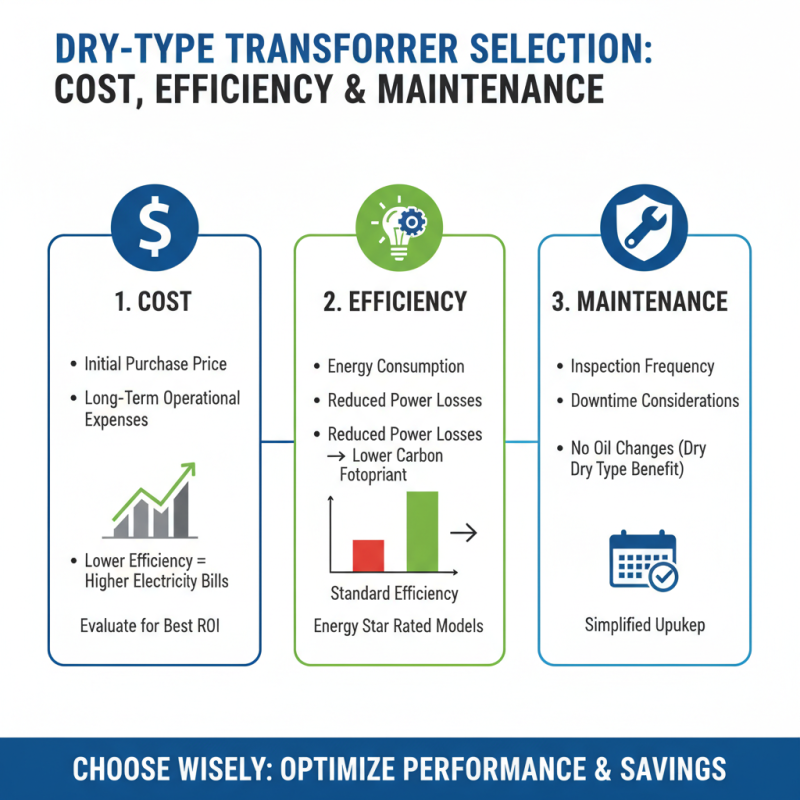
Choosing the right dry type transformer involves careful consideration of cost, efficiency, and maintenance needs. When looking at costs, examine both initial prices and long-term operational expenses. A lower purchase price may lead to higher electricity bills if the transformer isn't energy-efficient. Evaluate different models to find the best long-term investment.
Efficiency is another critical factor. A high-efficiency transformer can reduce energy loss and improve overall system performance. It's essential to choose one that aligns with your specific application requirements. Consider factors such as loading conditions and voltage levels to ensure optimal operation.
Maintenance requirements also play a significant role. Some transformers need regular checks, which can increase downtime. Assess the maintenance schedule and potential downtime required for each option. While some units may demand more attention, they might also offer better reliability. Don't overlook how these factors interconnect; balancing these elements can lead to an optimal choice for your needs.