Leave Your Message

2026 Best Box Type Substation for Global Buyers?

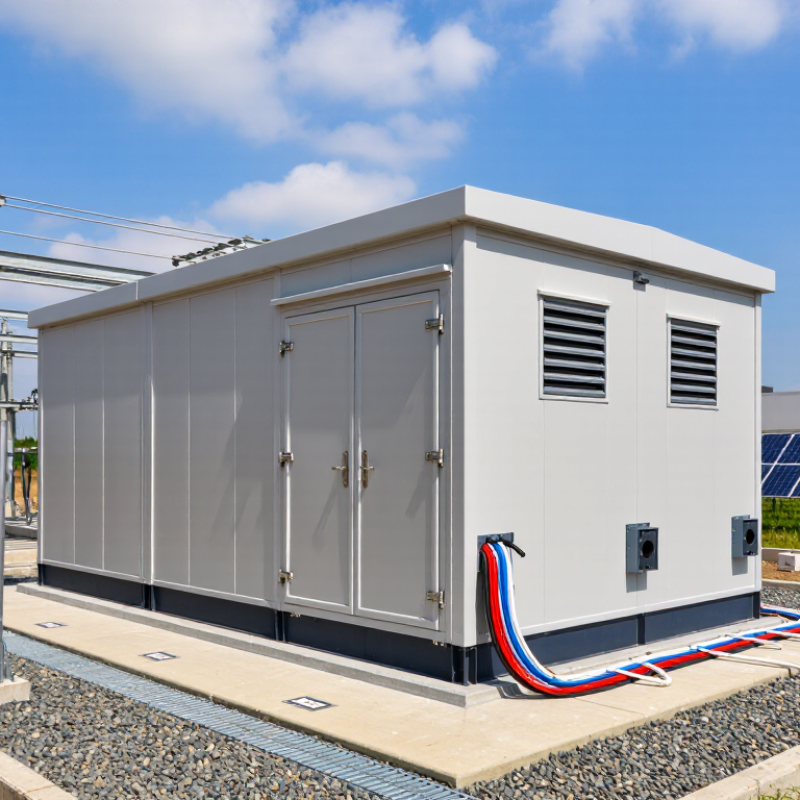
Choosing the 2026 Best Box Type Substation requires more than comparing price and transformer capacity. Global buyers need equipment that fits real operating conditions, project schedules, and local grid requirements. A well-designed Box Type Substation can combine the transformer, medium-voltage switchgear, and low-voltage distribution unit in one compact enclosure. This saves space on industrial sites, solar plants, commercial buildings, and infrastructure projects.

Performance begins with practical details. Buyers should review rated power, voltage levels, cooling design, enclosure protection, and maintenance access. An IP54 enclosure may suit many outdoor installations, while harsher environments may require stronger sealing and corrosion protection. Ambient temperature, altitude, humidity, dust, seismic activity, and salt exposure can affect long-term reliability. Cable entry positions matter, too. Poor alignment can create costly installation delays.

Standards must be checked carefully. IEC-based designs are widely used, but regional grid codes and certification requirements still differ. Experienced suppliers should provide routine test reports, temperature-rise data, protection settings, and clear drawings before production. Factory inspection can reveal workmanship issues that brochures hide. That matters.

There is no universal “best” model. A substation selected for a dry inland factory may fail to suit a coastal renewable project. Buyers should compare lifecycle cost, spare-parts support, delivery capacity, and technical service—not only the initial quotation. Even experienced teams can overlook future load growth or limited maintenance space. That weakness deserves honest review. The strongest choice is a Box Type Substation matched to the site, verified against applicable standards, and supported by a supplier with proven delivery experience.
2026 Best Box Type Substation for Global Buyers?

What Is a Box-Type Substation and How Does It Work?

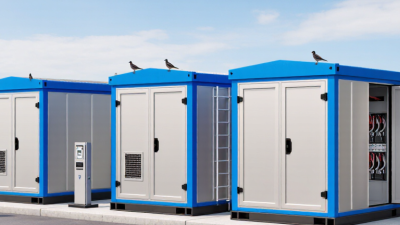
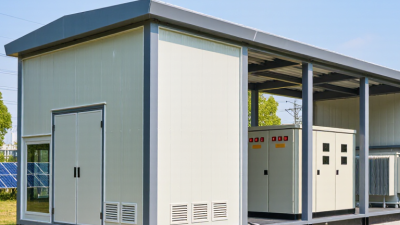
A box-type substation is a compact electrical unit that combines a transformer, high-voltage equipment, low-voltage switchgear, protection devices, and metering inside one enclosure. It receives medium-voltage power, reduces it to a usable level, and distributes electricity to buildings, factories, or infrastructure. The transformer performs the voltage change through electromagnetic induction. Protection relays and fuses respond to faults, while circuit breakers isolate damaged sections. Earthing systems help control dangerous fault currents.

In practical projects, the enclosure matters as much as the transformer. Steel panels protect internal equipment from dust, rain, accidental contact, and animals. Ventilation removes heat, although forced cooling may be needed in hot climates. Buyers should verify voltage, frequency, rated capacity, short-circuit strength, altitude, humidity, and required protection rating. Transport dimensions also deserve attention. A unit may fit the electrical design but fail at a narrow site entrance. That happens more often than drawings suggest.

Tips: Ask for routine test records, wiring diagrams, temperature-rise data, and protection settings. Check whether local technicians can access fuses, terminals, and cable compartments safely. Review corrosion protection for coastal areas. A polished specification is not always complete; cable entry positions, spare capacity, and maintenance clearance are sometimes overlooked. Confirm these details before production, not during installation.
Which Box-Type Substation Designs Suit Different Global Applications?

2026 Best Box Type Substation for Global Buyers?

Which Box-Type Substation Designs Suit Different Global Applications?

Global buyers need application-based designs, not a universal enclosure. The IEA’s Electricity 2024 report forecasts global electricity demand growth of about 3.4% annually through 2026. Meanwhile, IRENA reported 473 GW of renewable capacity additions in 2023. These figures increase demand for compact substations near solar parks, storage sites, factories, and expanding cities.

For urban projects, compact GIS box-type substations save valuable floor space. They also reduce exposure to dust and moisture. Dry-type transformers suit hospitals, tunnels, and high-occupancy buildings because they reduce liquid-fire concerns. Outdoor renewable projects often require oil-immersed transformers, wider temperature ratings, and stronger ventilation. Solar sites need efficient voltage conversion and simple remote monitoring. Battery projects need careful separation, thermal sensing, and emergency access.

Coastal installations require corrosion-resistant housings and sealed cable entries. Cold regions need heater systems and insulation checks. High-altitude sites may require derating because air cools less effectively. Seismic areas need reinforced foundations and flexible connections. IEC 62271-202 provides a useful reference for prefabricated high-voltage substations, but local grid codes still control final acceptance. That distinction matters.

A smaller footprint is not always better. Tight compartments can make maintenance awkward. Remote monitoring can reduce visits, yet it cannot replace physical inspections. Buyers should verify short-circuit ratings, transformer losses, IP protection, noise limits, spare-part access, and tested temperature performance. Site conditions often expose weaknesses that appear invisible on drawings.

How to Compare Capacity, Voltage, Safety, and Protection Features

2026 Best Box Type Substation for Global Buyers?

How to Compare Capacity, Voltage, Safety, and Protection Features

Choosing a box type substation starts with the load, not the enclosure. Record present demand, starting currents, power factor, and expected expansion. A transformer operating near its limit may overheat during summer peaks. Choose capacity with practical reserve, but avoid excessive sizing. Oversizing can increase losses, cost, and maintenance needs.

Voltage selection must match both the utility supply and the site distribution system. Confirm primary voltage, secondary voltage, frequency, phase arrangement, and insulation requirements. Local grid conditions can differ sharply between regions. Ask for routine test records, temperature-rise data, and certified drawings. Do not rely only on a catalog table. Verify cable terminations and clearances with the project engineer.

Safety depends on more than a locked cabinet. Check enclosure protection against dust and water, grounding continuity, internal arc control, and safe access procedures. Protection may include fuses, circuit breakers, surge arresters, overload relays, and temperature monitoring. Coordination matters. A breaker that trips too late can damage equipment, while one that trips too easily can interrupt essential loads. Field engineers should inspect earthing resistance and protection settings after installation. This step is often skipped. It should not be. Remote monitoring sounds valuable, but poor sensor placement can produce misleading data. Every comparison should include maintenance access, spare-part availability, local standards, and documented factory testing. No selection method is perfect. Recheck assumptions before approval.

What Standards and Certifications Should Global Buyers Verify?

2026 Best Box Type Substation for Global Buyers?

Global buyers should judge a box type substation by verified compliance, not attractive specifications. The IEA Electricity 2024 report forecasts global electricity demand growth of about 3.4% annually through 2026. IRENA’s Renewable Capacity Statistics 2025 recorded 585 GW of renewable capacity additions in 2024. More distributed generation means stronger attention to safe, reliable medium-voltage equipment.

For prefabricated substations, request type-test evidence under IEC 62271-202. Verify switchgear compliance with IEC 62271-200 and transformer testing under the relevant IEC 60076 series. Low-voltage assemblies may require IEC 61439 verification.

Check enclosure ratings under IEC 60529 and impact protection under IEC 62262. The report should show voltage, frequency, short-circuit withstand, temperature rise, insulation, and mechanical tests.

A certificate alone proves little. Confirm the laboratory’s accreditation and test configuration. CE marking supports applicable European conformity, but it is not a universal quality certificate. Other markets may require local approvals, grid codes, or additional safety certification.

Tips: Ask for original test reports, serial-number traceability, calibration records, and routine-test results. Confirm altitude, ambient temperature, corrosion class, and seismic needs before ordering. ISO 9001 supports process control; ISO 14001 and ISO 45001 indicate broader management practices. They do not replace product testing. No checklist catches every installation error, so review drawings with a qualified local engineer.

How to Select the Best Box-Type Substation for 2026 Projects?

2026 Best Box Type Substation for Global Buyers?

How to Select the Best Box-Type Substation for 2026 Projects?

Selecting a box-type substation starts with the project load, not the enclosure shape. The IEA’s Electricity 2024 report forecasts global electricity demand to grow by an average 3.4% annually through 2026. This growth increases pressure on compact, reliable distribution equipment. Buyers should confirm voltage, transformer capacity, short-circuit withstand, and future load expansion before requesting quotations.

Site conditions matter just as much. Record ambient temperature, altitude, humidity, dust, salt exposure, and flood risk. A coastal installation may need stronger corrosion protection, while a high-altitude site may require derating. Ask for verified losses, temperature-rise results, insulation levels, and routine test records. IEC 62271-200 supports evaluation of metal-enclosed switchgear, while IEC 60076 provides transformer requirements. Compliance alone is not enough. The certificate must match the actual configuration.

I have seen projects choose the lowest initial price, then struggle with heat, difficult cable access, or unavailable spare parts. That is an expensive lesson. Compare total ownership cost, including energy losses, inspection time, protection settings, and replacement parts. Require clear drawings, factory inspection procedures, and a realistic maintenance plan. A 400 kVA unit may suit today’s load but fail tomorrow’s expansion. Leave space for ventilation and safe working access. The perfect specification rarely exists, and some project assumptions deserve a second review.