Top 5 Transformer Types Every Buyer Should Know?
When purchasing transformers, understanding the different "Transformers Types" is essential. John Smith, a renowned expert in power systems, emphasizes, "The right transformer can make all the difference in efficiency." Selecting the appropriate type can enhance your electrical systems and reduce costs.
Transformers come in various forms, each suited for specific applications. For example, power transformers are crucial in transmission networks, while distribution transformers are vital for transferring electricity to end-users. These distinctions can greatly influence performance and reliability.
However, many buyers overlook critical details. Not all transformers are created equal, and choosing the wrong one can lead to inefficiencies. It's crucial to consider factors like load requirements and environmental conditions. A misstep here can complicate operations. As the industry evolves, staying informed about the latest technologies and developments becomes imperative for making the best choices in transformers.
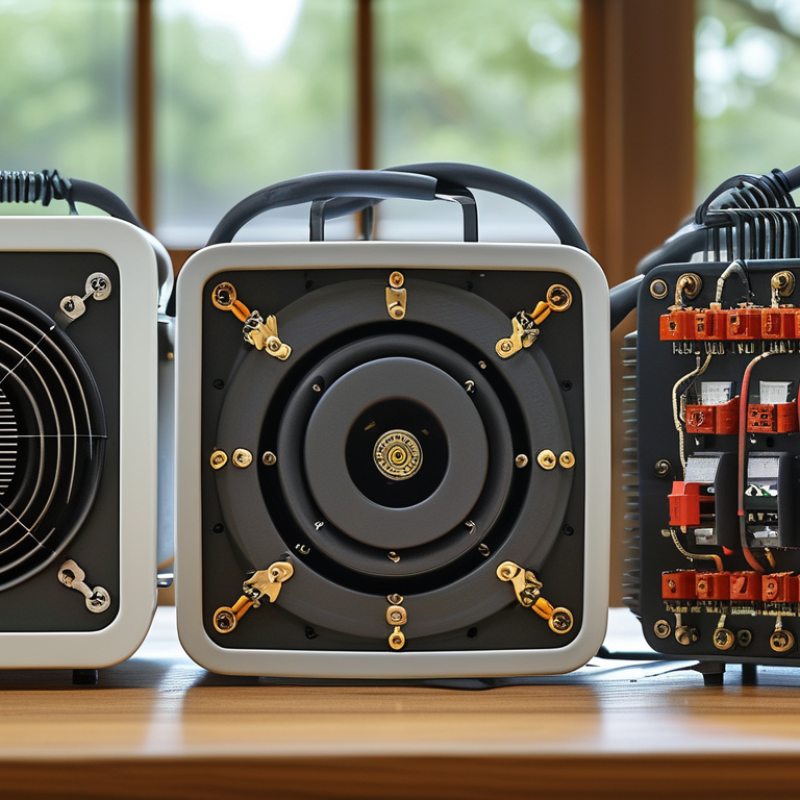
Understanding the Basics of Transformers: A Buyer’s Guide
Transformers are crucial devices in electrical systems. They adjust voltage levels and help transmit electricity efficiently. Knowing transformer types is essential for any buyer looking to make an informed purchase. This knowledge aids in selecting the right transformer for specific applications.
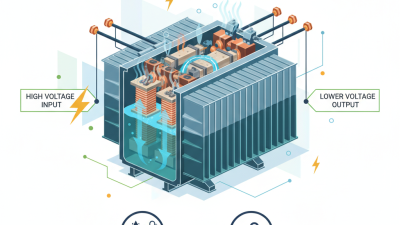
The most common transformer types include step-up, step-down, isolation, and auto transformers. Step-up transformers increase voltage from primary to secondary coils. They are vital in power transmission over long distances. Step-down transformers serve the opposite purpose. They reduce voltage for end-users, ensuring safety and equipment compatibility. Isolation transformers prevent noise and interference in circuits, which is key for sensitive equipment. Lastly, auto transformers offer variable voltage levels and are often used in voltage regulation.
Buyers should consider factors such as capacity, efficiency, and application. Each transformer type has specific use cases. Reflecting on the unique needs of your project helps guide your choice. It's important to consult with experts or refer to reliable sources when unsure. Understanding these basics significantly impacts your decision-making process.
The Importance of Transformer Types in Electrical Systems
Understanding transformer types is crucial in electrical systems. Selecting the right type can significantly affect efficiency and safety. Each transformer type serves a specific purpose, influencing how electricity is transmitted and used.
For example, a step-up transformer increases voltage, making transmission over long distances more efficient. In contrast, a step-down transformer decreases voltage, ensuring safety for residential use. Knowing the differences helps in making informed decisions. Always consider your system's requirements.
Tips: Before making a choice, assess your power needs. Consult with a professional to avoid costly mistakes. Not all transformers are suitable for every application. A mismatch can lead to potential hazards and inefficiencies. Take time to research before purchasing.
Five Key Transformer Types and Their Applications
Transformers play a crucial role in electrical systems, converting voltages to meet specific needs. Understanding the different types can guide buyers in making informed decisions.
One common type is the **Step-Up Transformer**. This transformer increases voltage levels, essential for long-distance power transmission. It saves energy and caters to industrial applications. In contrast, the **Step-Down Transformer** decreases voltage, suitable for residential use. Statistical data shows step-down transformers account for 40% of the market in residential applications.
Another important type is the **Isolation Transformer**. It provides safety by electrically isolating devices. This ensures optimal performance in sensitive electronics. Additionally, **Auto Transformers** are popular for their compact design and efficiency. They offer lower manufacturing costs but may lack isolation, which is a trade-off worth considering.
**Tips**: Always assess your specific application needs before purchasing. Check local regulations and standards to ensure compliance. Comparing features among different types of transformers can help avoid costly mistakes.
Lastly, **Three-Phase Transformers** are integral for industrial systems. They efficiently distribute heavy loads, maximizing power availability. They can be complex, and proper installation is crucial. Understanding these transformer types can significantly impact operational efficiency and safety in various settings.
Top 5 Transformer Types Every Buyer Should Know
Factors to Consider When Choosing a Transformer Type
When choosing a transformer type, several key factors can significantly impact performance and efficiency. Power rating, voltage level, and intended application are crucial considerations. According to the International Electrotechnical Commission, transformer efficiency can vary widely based on design. Selecting the right type ensures optimal energy usage and cost-effectiveness.
Material choice also plays a vital role. Transformers made with high-quality silicon steel tend to exhibit lower losses, improving overall efficiency. A report from the Electric Power Research Institute indicates that using premium materials can reduce operational costs by 10% over time. Consider the installation environment, as well. Outdoor transformers require robust weatherproofing, while indoor units must have a compact design to save space.
Tips: Always assess your power needs accurately. Underestimating can lead to overloads. Don’t overlook maintenance requirements; regular checks can prolong transformer life. Choosing the right type based on application is essential for reliability and efficiency. Engaging with experienced professionals early in the selection process can also provide valuable insights tailored to your specific needs.
Common Myths and Misconceptions About Transformers
When it comes to transformers, many myths can cloud a buyer's judgment. One common misconception is that all transformers are interchangeable. In reality, each type has specific applications. For example, power transformers handle high voltage, while audio transformers serve a distinct purpose in audio transmission. Users often overlook these differences, leading to mismatched usage.
Another myth is that larger transformers always provide better performance. In fact, size does not guarantee efficiency or reliability. A well-designed smaller transformer can outperform a bulky counterpart in certain applications. Additionally, some believe that transformers require constant attention and maintenance. In most cases, routine checks suffice. However, neglecting maintenance can lead to significant issues.
Buyers often fear that transformers are complex and difficult to understand. While technical details exist, a basic grasp is usually enough. Knowing key attributes, like voltage and power ratings, simplifies decisions. Engaging with professionals for insights can demystify the process. Ultimately, remaining informed and skeptical of common myths can enhance the buying experience.
Top 5 Transformer Types Every Buyer Should Know
| Transformer Type |
Primary Application |
Typical Power Rating |
Common Myths |
| Step-Up Transformer |
Increasing Voltage |
1 kVA - 100 MVA |
They can transform current without limit. |
| Step-Down Transformer |
Decreasing Voltage |
1 kVA - 100 MVA |
They only work with AC voltage. |
| Isolation Transformer |
Protecting Sensitive Equipment |
1 kVA - 10 MVA |
They completely eliminate noise and interference. |
| Autotransformer |
Voltage Regulation |
1 kVA - 50 MVA |
They are less efficient than two-winding transformers. |
| Distribution Transformer |
Energy Distribution in Grid |
10 kVA - 5000 kVA |
They can be used for large industrial loads. |