Leave Your Message

Top 3 Phase Transformer Manufacturers in China

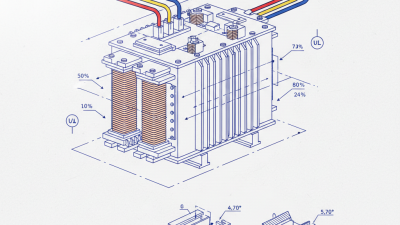
Choosing among the top 3 Phase Transformer manufacturers in China requires more than comparing catalog prices. A transformer may look similar online, yet its winding design, insulation system, cooling method, and factory controls can differ greatly. This guide introduces three leading manufacturers through practical purchasing criteria. It considers manufacturing experience, technical capability, product reliability, export performance, and after-sales support.

The evaluation focuses on details engineers and buyers can verify. These include rated capacity, voltage range, frequency, temperature rise, noise level, loss values, and protection options. Factory testing also matters. Test reports, quality certifications, inspection records, and traceable materials provide stronger evidence than promotional claims. Where possible, buyers should request drawings, routine test results, reference projects, and clear delivery terms. A polished website is not proof.

Real projects reveal more. A substation installation may face dust, heat, humidity, limited maintenance access, or unstable grid conditions. The right 3 Phase Transformer must match its operating environment, not just its nameplate. Small details matter.

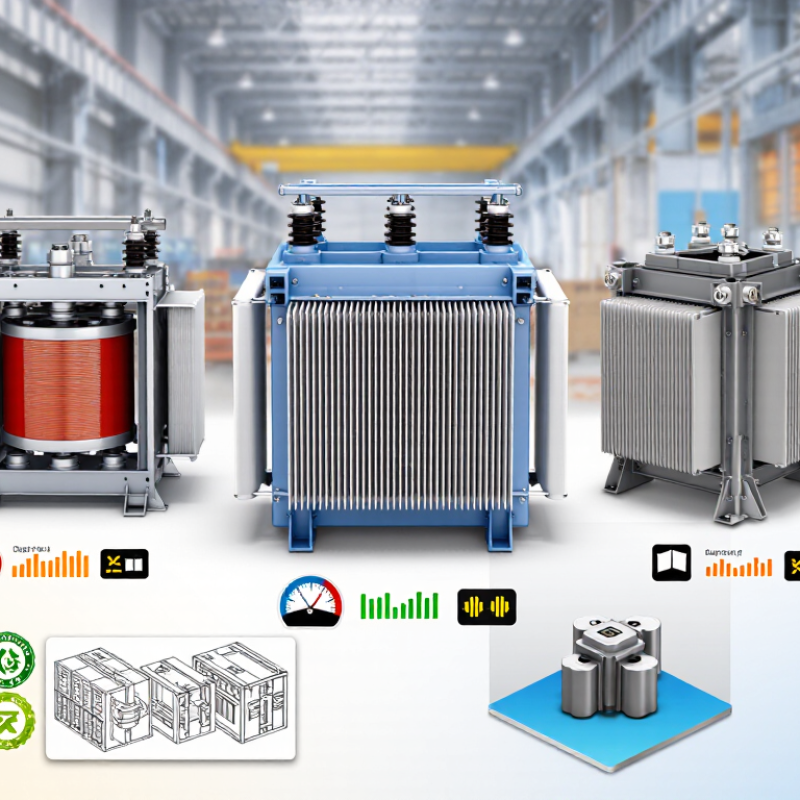
This introduction also recognizes an unavoidable limitation. “Top” depends on application, region, budget, and technical standards. One manufacturer may excel in oil-immersed units, while another performs better with dry-type transformers. Rankings can change as factories expand or service quality shifts. Therefore, this article offers a useful starting point, not a final purchasing decision. Independent verification remains essential.
Top 3 Phase Transformer Manufacturers in China

Understanding Three-Phase Transformers and Their Industrial Role

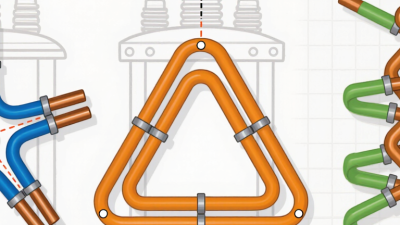
A three-phase transformer transfers electrical energy between circuits using three alternating currents spaced evenly through each cycle. This arrangement provides steady power for motors, pumps, compressors, and production lines. In factories, transformers may step voltage up for transmission or down for equipment distribution. Correct sizing helps limit losses and unwanted heating. Loads rarely stay constant.

Engineers assess load profiles, starting currents, ambient temperature, enclosure, and installation space before selecting a unit. A motor starting beside a hot furnace can create different demands from one in a lightly loaded workshop. Cooling method and insulation class also affect service life. Nameplate figures alone cannot predict every site condition. A tidy specification may still miss harmonics or future expansion. Field measurements matter.

Tips: Check voltage, frequency, connection group, and rated capacity against the actual load. Leave airflow clearance, inspect terminals for heat discoloration, and record operating temperatures. Have qualified personnel verify protection settings.
Top 3 Phase Transformer Manufacturers in China - Understanding Three-Phase Transformers and Their Industrial Role

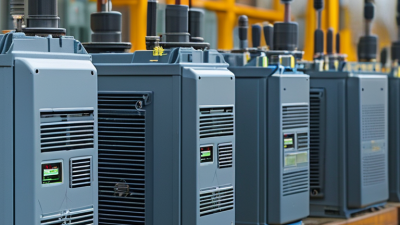
Three-phase transformers support efficient power transmission, voltage conversion, and distribution across modern industrial systems. The chart below presents representative rated apparent-power levels for three common industrial applications; actual specifications vary by project, voltage class, cooling method, and load profile.

Key insight: Industrial plants commonly require medium-capacity transformers for machinery and process loads, while utility substations use much higher ratings to serve large distribution networks. Three-phase designs help deliver balanced power with lower conductor material requirements than equivalent single-phase systems.

Key Criteria for Comparing Chinese Transformer Manufacturers

Top 3 Phase Transformer Manufacturers in China: Key Criteria for Comparing Chinese Transformer Manufacturers

When comparing Chinese three-phase transformer manufacturers, focus on verified performance, not factory size alone. The International Energy Agency’s Electricity 2024 report says annual grid investment must exceed USD 600 billion by 2030. This rising demand makes efficiency and delivery reliability critical. Check rated capacity, voltage class, impedance tolerance, temperature rise, and no-load losses. Ask for routine and type-test reports aligned with IEC standards. Factory audits also matter. Inspect winding areas, drying ovens, oil filtration systems, and final testing equipment. A polished brochure proves little.

Tips: Request recent test records, not samples. Compare total ownership cost.

Material quality deserves close attention. Silicon steel grade, conductor material, insulation systems, and tank protection affect service life. CIGRE technical guidance repeatedly highlights thermal ageing, moisture control, and condition monitoring as major reliability factors. Confirm whether the manufacturer calculates losses using the same testing method. Otherwise, price comparisons become misleading. Review production capacity against your project schedule, including spare parts and technical support. A short lead time may hide weak quality control. That risk is easy to underestimate.

Certifications should match the destination market. Verify ISO systems, local approvals, electromagnetic requirements, and independent inspection options. Request references for similar voltage and climate conditions, but examine them critically. One successful project is not proof of consistent performance. Warranty terms should define response time, replacement duties, and field-service limits. No checklist is perfect. Experienced buyers often leave room for factory reinspection before shipment, because paperwork can never replace physical evidence.

Manufacturer One: Product Range, Technologies, and Market Strengths

Manufacturer One serves China’s expanding grid with a broad portfolio of power and distribution transformers. Its range includes oil-immersed units, dry-type transformers, traction transformers, and compact substations. The portfolio is broad.

Typical designs support 10 kV to 500 kV applications, covering factories, renewable-energy parks, rail networks, and urban substations. Engineers increasingly specify low-loss grain-oriented steel, amorphous-metal cores, and ester-based insulation fluids. These choices can reduce operating losses and improve fire safety, although project conditions still determine the best configuration. Digital options include dissolved-gas monitoring, fiber-optic temperature sensors, and online partial-discharge detection. IEC 60076 testing remains a practical reference for performance verification.

Market scale strengthens this manufacturer’s position. The China Electricity Council reported approximately 2,920 GW of installed power-generation capacity in China at the end of 2023. That installed base creates sustained demand for replacements, upgrades, and grid expansion. The International Energy Agency’s Electricity Grids and Secure Energy Transitions report estimates that global annual grid investment must exceed 600 billion dollars by 2030. Chinese manufacturers are well placed to serve this demand through integrated engineering, large production capacity, and established component supply chains. However, capacity alone does not guarantee reliability. Field maintenance, traceable testing, and export certification can vary between factories. That deserves closer review. A careful buyer should compare temperature-rise records, short-circuit test evidence, factory acceptance procedures, and after-sales response times before approving a supplier.

Manufacturer Two: Manufacturing Capabilities, Standards, and Applications

Manufacturer Two: Manufacturing Capabilities, Standards, and Applications

Manufacturer Two builds three-phase transformers for utility, industrial, renewable-energy, and transport projects. Its production line supports oil-immersed and dry-type designs, with ratings tailored to distribution and substation duties. Engineers calculate winding stress, cooling performance, and short-circuit strength before fabrication. The factory uses vacuum drying, controlled coil winding, and sealed tank welding. These details matter in humid coastal sites and dusty inland substations.

Testing follows IEC 60076 and applicable GB/T 1094 requirements. Routine checks include winding resistance, voltage ratio, insulation resistance, no-load loss, load loss, and dielectric strength. Larger units may receive partial-discharge, impulse, and temperature-rise tests. ISO 9001-based quality procedures can improve traceability, but certification alone does not guarantee field reliability. That requires disciplined inspection. Sometimes, the paperwork looks stronger than the process.

The International Energy Agency reported that annual grid investment must exceed 600 billion dollars by 2030 to support secure electricity transitions. This demand increases pressure on transformer suppliers to deliver consistent lead times and documented performance. Manufacturer Two serves 10 kV to 220 kV applications, including photovoltaic collection systems, factory substations, and urban distribution networks. Project teams should verify enclosure protection, noise limits, altitude correction, and spare-parts support before ordering. A missed detail can become an expensive site delay.

Manufacturer Three: Export Reach, Customization, and Service Support

Manufacturer Three stands out through practical export experience, not polished promises. Its three-phase transformers reach industrial buyers across Asia, Europe, Africa, and South America. Export teams manage drawings, packing lists, certificates, and shipment schedules. This matters when a 2,000-kilogram unit leaves the factory. Careful crating can prevent expensive port delays. Buyers should verify destination standards before placing orders. Requirements differ by market. That step is often underestimated.

Customization begins with load data, voltage levels, frequency, cooling methods, enclosure needs, and installation conditions. Engineers can adjust dimensions, terminals, tap arrangements, and protection features. They should explain technical trade-offs clearly. A smaller enclosure may simplify installation, but it can restrict heat dissipation. That conversation reveals technical maturity. Factory testing may include ratio checks, insulation tests, winding resistance, and temperature inspections. Ask for readable reports, not vague assurances. Site conditions still matter.

Service support continues after dispatch. Remote troubleshooting, spare-part guidance, installation documents, and technician communication can reduce downtime. Response speed should be written into the service agreement. It is easy to promise support. It is harder across time zones. No manufacturer is flawless, and delivery mistakes can happen. A missing accessory or unclear wiring note may delay commissioning. The strongest supplier acknowledges these risks, records corrective actions, and improves its process. Buyers should request references, inspect quality records, and confirm who handles urgent questions.

Top 3 Phase Transformer Manufacturers in China - Manufacturer Three: Export Reach, Customization, and Service Support
Evaluation Dimension Manufacturer Three: Capability Profile Relevant Detail for Buyers
Product Scope Three-phase oil-immersed and dry-type transformers for industrial, commercial, utility, and renewable-energy applications. The final construction depends on the required voltage ratio, capacity, cooling method, installation environment, and applicable local regulations.
International Standards Design and testing can be aligned with IEC 60076, the main international standard series for power transformers. Projects may also require additional national grid codes, utility specifications, environmental requirements, or customer-approved technical schedules.
Voltage and Frequency Customization Primary and secondary voltages can be configured for common 50 Hz or 60 Hz power systems. Typical specifications include medium-voltage input, low-voltage output, adjustable tap settings, vector group, impedance, and insulation level.
Capacity Configuration Capacity is selected according to the connected load, diversity factor, motor-starting requirements, harmonics, and future expansion plans. A properly engineered rating helps control temperature rise, voltage drop, losses, and the risk of premature insulation aging.
Enclosure and Installation Options Available configurations include indoor or outdoor installation, ventilated enclosures, weather-resistant housings, and compact substation arrangements. Enclosure selection should consider ambient temperature, altitude, humidity, dust, corrosion, access requirements, and available floor space.
Cooling and Thermal Design Cooling arrangements may include natural-air cooling for dry-type units and oil natural air natural cooling for suitable oil-immersed designs. Higher-load or special-duty applications may require enhanced cooling, additional monitoring, or a project-specific thermal study.
Export Documentation International order support typically includes technical datasheets, approved drawings, packing lists, commercial invoices, certificates of origin, and shipping documents. The exact document package should be agreed before production to meet customs, inspection, financing, and destination-country requirements.
Factory Testing Routine testing may include winding-resistance measurement, voltage-ratio verification, polarity or phase-relation checks, impedance measurement, and dielectric tests in accordance with the approved standard. Type tests, special tests, witness inspections, and third-party inspections can be added when required by the purchaser or project specification.
Customization Support Engineering coordination covers electrical parameters, terminal arrangement, cable-entry position, protection accessories, temperature indicators, lifting points, and nameplate information. Customization should be finalized through a signed technical specification and approved outline drawing before manufacturing begins.
Quality-Control Process A structured quality process can include incoming-material inspection, in-process checks, assembly verification, final testing, and shipment-release review. Buyers should request inspection records, calibration information, test reports, and traceability documents applicable to the ordered unit.
Packaging and Transportation Packaging is selected according to transformer size, transport mode, destination climate, lifting method, and protection against moisture and mechanical impact. Export shipments commonly require reinforced cases or protective wrapping, shock and moisture precautions, clear lifting marks, and loading instructions.
Technical Communication Pre-order support may include load-data review, specification confirmation, drawing approval, interface coordination, and clarification of installation conditions. Early technical communication reduces the risk of mismatched voltage, incorrect cable interfaces, inadequate clearances, or unsuitable environmental protection.
After-Sales Service Post-delivery support can cover installation guidance, commissioning assistance, operating instructions, troubleshooting, spare-parts coordination, and warranty handling. Service availability, response time, warranty scope, and local support arrangements should be documented in the commercial contract.
Best-Fit Applications Suitable for distribution networks, factories, commercial buildings, data facilities, solar plants, wind projects, and infrastructure upgrades. Final suitability depends on the system short-circuit level, duty cycle, harmonic content, ambient conditions, protection coordination, and installation layout.