Best 3 Phase Transformer Options for Global Buyers in 2026?
As the demand for efficient power distribution grows, 3 Phase Transformers continue to play a pivotal role in various industries. By 2026, buyers worldwide will seek the most reliable options that meet their unique energy needs. These transformers are essential for managing large electrical loads seamlessly. Their design allows for balanced power distribution, making them a preferred choice.
In this landscape, selecting the right 3 Phase Transformer is not straightforward. Buyers must consider factors like efficiency, durability, and brand reputation. Trustworthy manufacturers will lead the market, but potential pitfalls await. Variability in quality exists among providers. Making an informed choice is crucial.
Expert insights indicate that sustainability and advanced technology will shape future offerings. Buyers should prioritize transformers with high efficiency ratings and low environmental impact. Many options may seem attractive, but not all fulfill these criteria. Careful evaluation is essential for long-term satisfaction and performance.
Overview of 3 Phase Transformers: Types and Applications in 2026
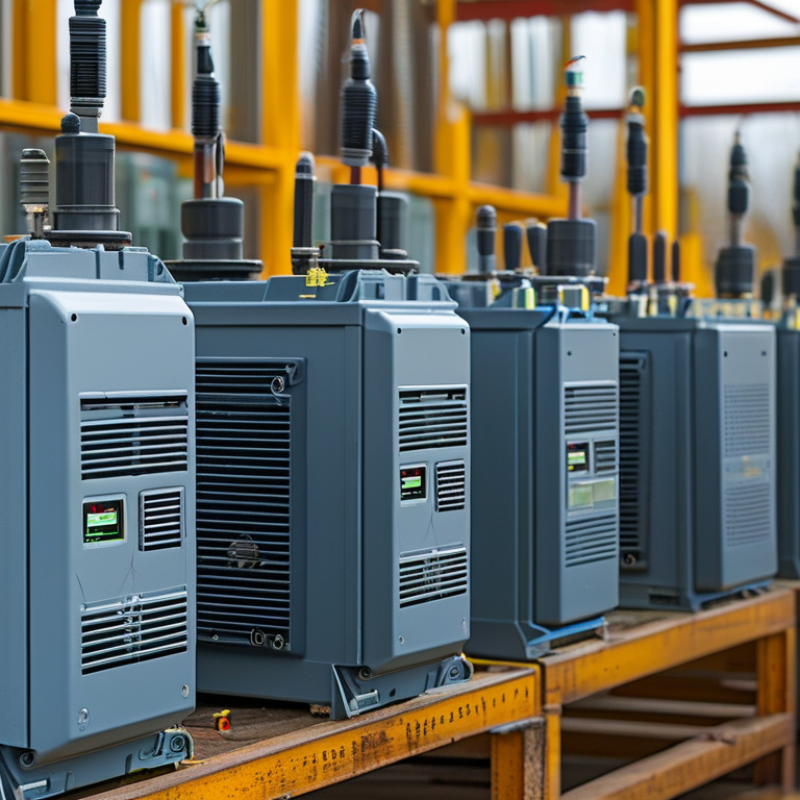
Three-phase transformers play a critical role in energy distribution systems across various industries. In 2026, their demand continues to rise due to increased industrial automation and the expansion of renewable energy sources. With reports indicating a forecasted market growth rate of around 6% annually, understanding the different types of three-phase transformers is essential for global buyers.
Common types include delta-delta, delta-wye, and wye-wye transformers. Each type serves specific voltage and phase requirements. For instance, delta-wye transformers are often preferred in industrial applications due to their ability to handle higher power loads and provide better voltage regulation. Such configurations can significantly affect overall system efficiency.
**Tips:** When selecting a transformer, consider factors such as load requirements, voltage levels, and the intended application. Investing time in research can lead to better choices. Also, be mindful of the potential challenges in compatibility and integration with existing systems. A thorough analysis of operational needs will guide better decisions.
Power quality is another critical aspect. Fluctuations in voltage can lead to inefficiencies. Historical data shows that improved voltage stability can reduce energy losses by up to 10%. Therefore, choosing the right transformer type not only enhances system performance but also maximizes energy savings.
Best 3 Phase Transformer Options for Global Buyers in 2026
This chart illustrates the expected market demand for different types of 3 phase transformers in 2026, highlighting their applications in various sectors.
Key Factors Driving the Demand for 3 Phase Transformers Worldwide
The global demand for three-phase transformers is increasing steadily. This growth stems from various factors, impacting industries worldwide. The transition towards renewable energy sources is a significant driver. Solar and wind power require efficient transformers for optimal energy conversion. Many companies are investing in infrastructure to support this transition.
Another key factor is industrial automation. With the rise of smart factories, the need for reliable and efficient power distribution systems has become crucial. Three-phase transformers provide the necessary stability for these systems. Their ability to handle higher loads makes them indispensable in manufacturing.
Additionally, the growing urbanization worldwide demands increased power supply. Cities require robust electrical systems to support transportation, residential, and commercial needs. However, challenges remain. Some regions face installation issues due to outdated infrastructure. This situation calls for innovative solutions to enhance efficiency and reliability in transformer technology. The future holds potential, but continuous improvement is essential.
Top Global Manufacturers of 3 Phase Transformers and Their Market Shares
The global market for three-phase transformers is shaped by several key manufacturers. Data from recent industry reports indicate that the market has been growing steadily, driven by increased demand for efficient power distribution. In 2025, a robust growth rate of approximately 5% is projected, signaling ongoing investment in electrical infrastructure.
Many top manufacturers control significant market shares. Emerging markets are seeing rapid development, contributing to shifts in market dynamics. Countries such as India and China are leading in transformer production. Companies in these regions are increasing their output to meet global demands. However, challenges like supply chain disruptions can impact their operations.
Tips: When considering a three-phase transformer, evaluate energy efficiency ratings. These ratings can significantly affect operational costs over time. Also, ensure compatibility with existing systems before procurement. A thorough understanding of requirements is crucial for optimal performance. For buyers, considering the long-term reliability of transformers is vital. Often, cheaper options may lead to increased maintenance and operational downtime.
Technological Advancements in 3 Phase Transformers for Enhanced Efficiency
The demand for 3 phase transformers is rising due to industrial growth. Recent reports indicate that the market for these transformers is projected to reach $20 billion by 2026. This growth is driven by the need for reliability and efficiency in energy distribution systems.
Technological advancements play a crucial role in enhancing transformer efficiency. Innovations such as smart grid technology and improved insulation materials are being adopted. These developments can reduce energy losses by up to 15%. Some manufacturers are focusing on eco-friendly designs, allowing for lower carbon footprints. However, the high initial investment remains a challenge for many buyers.
The integration of IoT and sensors is becoming prevalent in modern transformers. These features allow for real-time monitoring and predictive maintenance. Reports suggest that such technologies can extend transformer lifespan by 20%. Nevertheless, the complexity of these systems might deter some companies from upgrading. Balancing cost and technology will be essential for global buyers in 2026.
Market Trends and Pricing Analysis for 3 Phase Transformers in 2026
The market for three-phase transformers is expected to experience significant shifts in 2026. According to a recent report by Market Research Future, growth is projected at a 5.2% CAGR from 2021 to 2026. This trend is fueled by increasing demand for reliable power supply in industrial applications. More countries are pushing for advanced electrical grids, creating opportunities for efficient transformers.
Pricing analysis indicates that transformer costs will rise due to raw material shortages. The average price might increase by 8-10% by mid-2026. Interestingly, the demand for energy-efficient models is surging, leading to a potential premium in pricing for high-efficiency units. However, purchasers should be cautious. Overlooking warranty terms and service agreements may lead to higher long-term costs.
Tips: Consider total cost of ownership, not just initial price. Review supplier reliability carefully. Stay updated on industry trends to make informed decisions. Balancing quality with affordability will shape purchasing strategies in 2026. Remember, informed choices must integrate efficiency, sustainability, and budget constraints.