How to Identify Different Transformer Types for Your Needs?
Choosing the right transformer type can be challenging. With various options available, understanding their distinctions is crucial for optimal performance. Transformer types differ significantly in design, application, and efficiency. For instance, step-up and step-down transformers serve unique roles in voltage regulation.
When examining transformer types, consider specific applications. A power transformer typically handles high voltages, while distribution transformers manage lower voltages for residential usage. Their roles cannot be overlooked. Additionally, there are specialty transformers like isolation transformers, which provide safety and prevent electrical shock.
Still, identifying the right transformer isn't always straightforward. Many individuals overlook factors like load requirements and environmental conditions. These play a pivotal role in making the right choice. Reflecting on the specific needs of your project is essential. This will ensure you select a transformer that maximizes efficiency and meets safety standards. Understanding transformer types will guide you toward informed decisions and successful outcomes.
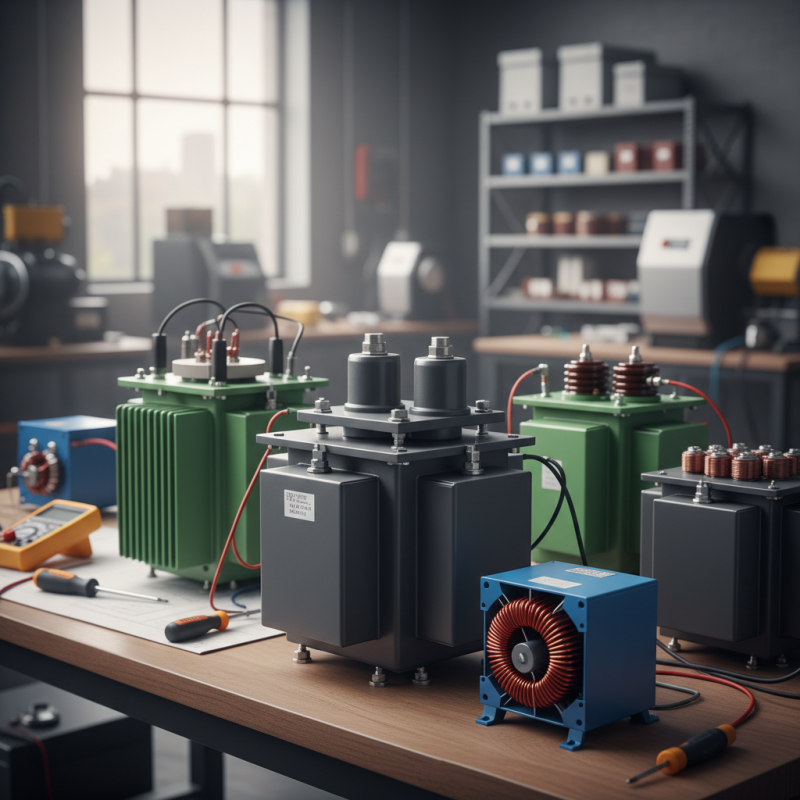
Understanding the Basic Types of Transformers and Their Functions
Transformers play a crucial role in electrical systems. They reduce or increase voltage as needed. Understanding the basic types of transformers is essential for effective selection and application.
The core types include step-up and step-down transformers. Step-up transformers increase voltage for long-distance transmission. They enhance efficiency and reduce energy loss. Conversely, step-down transformers lower voltage for safe distribution to homes and businesses. This dual functionality makes them vital in energy management.
Another category is isolation transformers. These provide a barrier between circuits, enhancing safety and protecting sensitive devices. They are widely used in laboratories and healthcare settings. The selection process involves considering factors like power rating and application. Often, users overlook these details, leading to mismatches. Identifying the right transformer type requires an understanding of specific needs and operational demands.
Transformer Types and Their Applications
This chart displays the number of applications for various types of transformers, showing the different demands for each type in electrical systems.
Key Factors to Consider When Selecting a Transformer Type
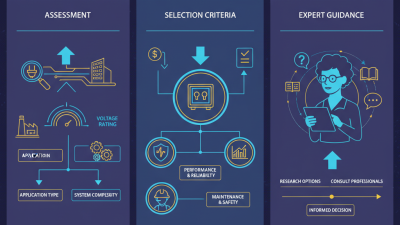
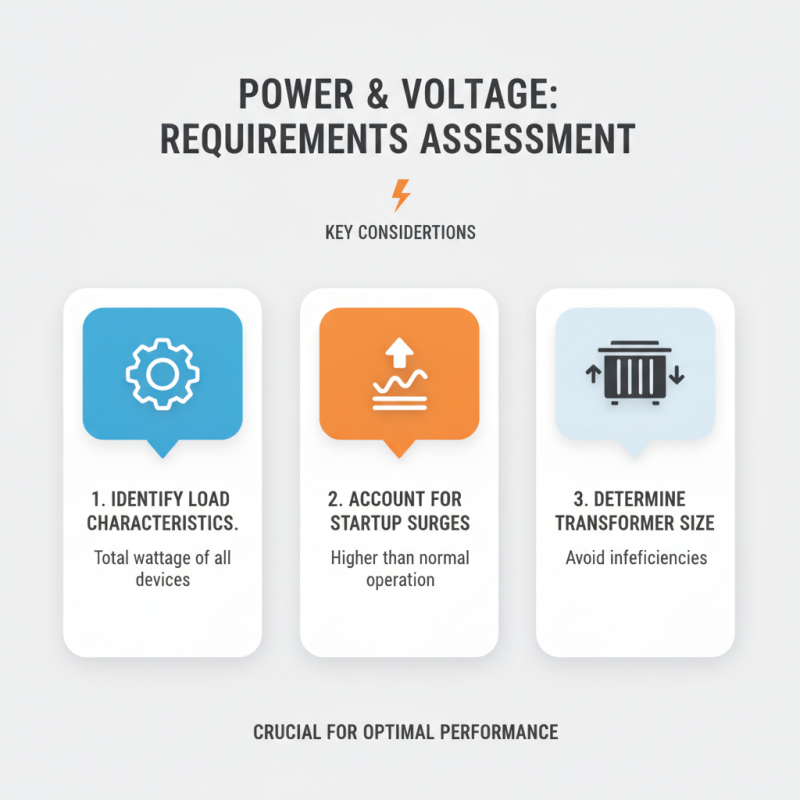
When selecting a transformer, several key factors come into play. First, consider the voltage requirements. Know your system's input and output voltages. Matching these voltages ensures optimal efficiency. Additionally, assess the power rating, measured in kilovolt-amperes (kVA). Choose a transformer that can handle your maximum load without overloading.
Load types matter too. A transformer suited for continuous loads differs from one designed for intermittent loads. Analyze whether your equipment runs consistently or varies in demand. This can influence durability and performance. Also, think about installation space. Some transformers require more room due to their design and cooling needs.
**Tips:**
Always consult a professional for complex applications. Their expertise can save time and effort.
Consider future expansion; selecting a transformer with a higher capacity may be wise.
Regular maintenance can extend a transformer’s lifespan significantly; do not overlook this aspect.
Recognizing the Importance of Efficiency and Loss Ratings
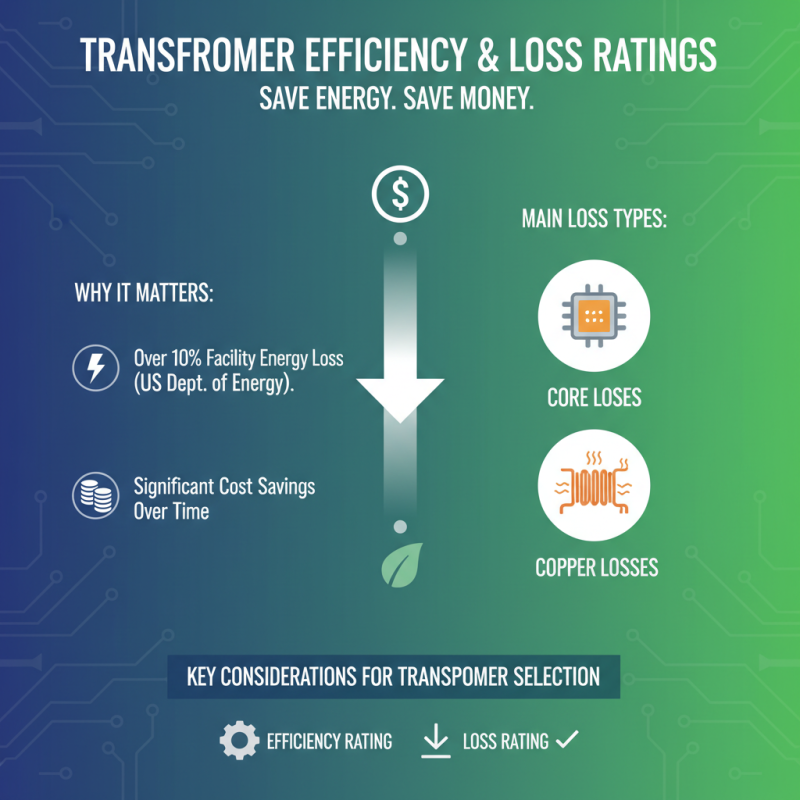
When selecting transformers, efficiency and loss ratings are critical. For example, the U.S. Department of Energy reported that energy losses in transformers can account for over 10% of a facility's total energy use. These losses primarily stem from core losses and copper losses. Understanding these aspects can help achieve significant cost savings over time.
A highly efficient transformer can reduce losses dramatically. The efficiency of a transformer is typically expressed as a percentage, with modern technologies reaching up to 99%. However, older models often fall short, reflecting the need for upgrading. A less efficient transformer not only increases operational costs but can also lead to higher carbon emissions.
Loss ratings can also serve as a guide for selecting the right transformer type. For instance, a small change in efficiency can lead to substantial energy loss over years of operation. Reports suggest that replacing an old, inefficient transformer can yield savings up to 30% in energy costs. This highlights the importance of making informed choices that align with both efficiency needs and financial goals in the long run.
Exploring Application-Specific Transformer Solutions
Transformers play a crucial role in various applications, from industrial machinery to renewable energy systems. Each type of transformer is designed for specific functions. Recognizing these differences can ensure optimal performance in your setup. For instance, dry-type transformers are often used in commercial buildings due to their safety and ease of maintenance.
On the other hand, oil-filled transformers are prevalent in power distribution due to their durability and higher power capacity. Choosing the right transformer involves understanding your application needs. Sometimes, preferences may lean towards efficiency versus cost, highlighting potential trade-offs.
It's essential to assess the environment in which a transformer will operate. Factors such as temperature, load requirements, and installation space all influence the choice. Reflections on past installations can also provide insights. What worked well? What challenges arose? Addressing these questions can guide future transformer selection and improve project outcomes.
How to Identify Different Transformer Types for Your Needs? - Exploring Application-Specific Transformer Solutions
| Transformer Type |
Primary Application |
Voltage Range (V) |
Power Rating (kVA) |
Efficiency (%) |
| Step-Up Transformer |
Power Generation |
10 - 500kV |
1 - 1000 |
95 - 99 |
| Step-Down Transformer |
Residential and Commercial Power Distribution |
120 - 480V |
1 - 500 |
90 - 95 |
| Isolation Transformer |
Sensitive Equipment Protection |
1 - 600V |
0.5 - 100 |
96 - 98 |
| Autotransformer |
Railway and Industrial Applications |
100 - 1000V |
5 - 5000 |
90 - 97 |
| Three-Phase Transformer |
Industrial Power Systems |
240 - 600V |
5 - 5000 |
92 - 96 |