How to Choose the Right Dry Type Transformer Types for Your Needs?
Choosing the right Dry Type Transformer Types is crucial for modern electrical systems. As noted by industry expert James H. Wright, "Selecting a transformer involves understanding your specific needs." His insights emphasize the importance of tailored solutions in transformer selection.
When approaching Dry Type Transformer Types, consider your project requirements meticulously. These transformers are used in various applications, from commercial buildings to industrial setups. Each application demands specific features to optimize performance and safety. Understanding factors like load requirements and environmental conditions can lead to better choices.
However, the selection process can be fraught with challenges. Many overlook the significance of proper sizing or fail to adapt to changing technological standards. It's vital to remain informed about new advancements in transformer technology. Reflecting on past decisions often reveals missed opportunities for improved efficiency and reliability.
Understanding Dry Type Transformers: Basics and Benefits
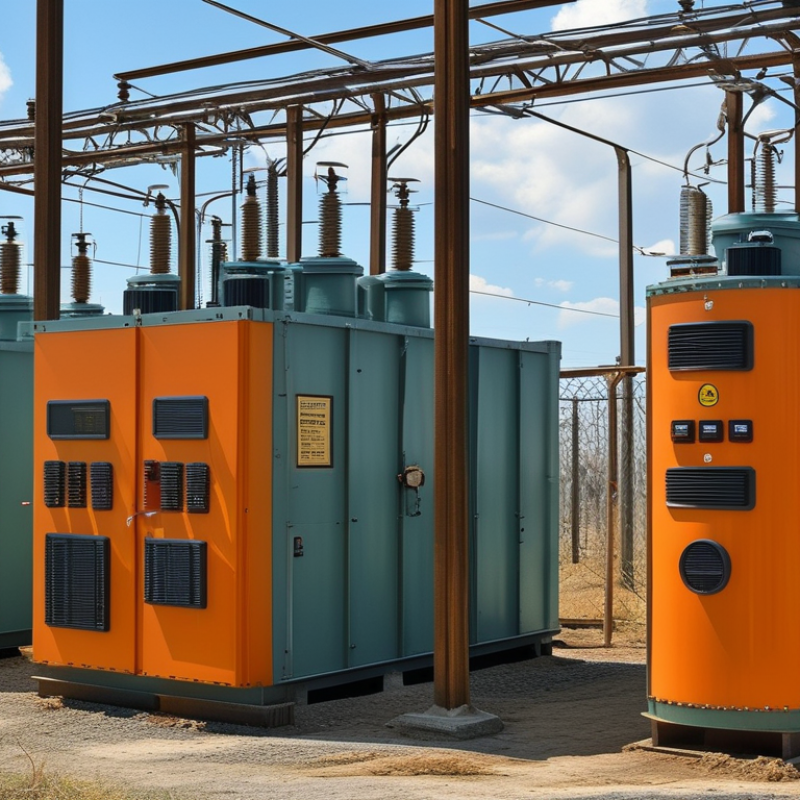
Understanding dry type transformers is essential for making informed choices. These transformers offer distinct benefits over oil-filled options. They are safer, as they do not contain flammable liquids. According to a report by the International Energy Agency, dry type transformers are up to 40% more energy-efficient than their oil-filled counterparts. This efficiency is crucial for reducing operational costs in industrial settings.
Another important aspect is their maintenance. Dry type transformers generally require less upkeep. They are less susceptible to environmental hazards. This can lead to lower lifecycle costs. However, users should consider their installation environment. High ambient temperatures can affect performance.
Moreover, noise levels can be a concern. Some models may generate more noise compared to other options. It’s vital to assess the specific needs of your facility. Considerations should include space constraints and safety regulations. Making the right choice demands thorough research and understanding. Missteps can lead to increased costs and operational inefficiencies. Balancing benefits with requirements is key.
Types of Dry Type Transformers: A Comprehensive Overview
Dry type transformers are vital in various applications, offering efficiency and safety. They are designed to handle the demands of modern electrical systems. According to industry reports, the global dry type transformer market is expected to grow significantly, reaching USD 6.8 billion by 2025. This growth showcases their importance in sectors such as utilities, commercial buildings, and renewable energy.
There are primarily three types of dry type transformers:
- Epoxy resin-coated transformers are popular for their environmental resistance and low maintenance.
- VPI (Vacuum Pressure Impregnated) transformers offer superior mechanical strength.
- Cast resin transformers are ideal for high humidity environments.
Each type has unique features and benefits. Understanding these differences is crucial when selecting the right transformer for your project.
The choice often depends on several factors including
installation space, cooling requirements, and environmental conditions. While more power-efficient options are available, they may come at a higher initial cost. Additionally, not every transformer suits every application. Evaluating specific operational needs can seem overwhelming. Therefore, engaging with industry experts is beneficial to make an informed decision.
Key Factors to Consider When Selecting a Dry Type Transformer
Selecting the right dry type transformer involves understanding several key factors. The first consideration is the application requirements. Different environments require different capacities. For instance, a commercial building may need higher kVA ratings than an industrial site. Thus, knowing your load demands is crucial.
Another important factor is the location and installation environment. Dry type transformers are less vulnerable to moisture and dust, but they still need proper ventilation. If your space is limited, consider transformer dimensions carefully. Thermal management is also vital; a well-cooled transformer prolongs lifespan and maintains efficiency.
Efficiency ratings are also essential. Higher efficiency leads to energy savings and reduced operational costs. However, balancing cost and performance is challenging. Sometimes, a more expensive unit may yield better long-term savings. This decision requires thoughtful analysis of your budget and operational goals.
Therefore, getting expert advice can help clarify these choices.
Application-Specific Considerations for Dry Type Transformers
When selecting a dry type transformer, consider specific applications. These transformers are designed to operate in a variety of environments. For instance, they are ideal for industrial settings where space is limited. Their compact design allows for effective installations in tight areas, reducing the need for extensive infrastructure changes.
Voltage requirements play a crucial role in your selection process. Ensure that the transformer can handle the required voltage levels for your application. Mismatched voltages can lead to inefficiencies or equipment damage. Additionally, consider the climate. If you operate in areas with high humidity or temperature fluctuations, select a transformer that can withstand such extremes.
Another key aspect is maintenance requirements. Dry type transformers generally require less maintenance than liquid-filled ones. However, they still need regular inspections. Pay attention to signs of wear and tear. Ignoring these can lead to unexpected failures. Always ponder over the specific needs of your project. This reflection is essential for making an informed decision that aligns with your operational goals.
Maintenance and Safety Tips for Dry Type Transformers
When maintaining dry type transformers, prioritizing safety is crucial. Regular inspections can help detect issues early. According to a report from the International Electrotechnical Commission, poor maintenance can lead to failures in 30% of transformers. Regular cleaning and monitoring for damage can decrease these failures significantly.
In terms of safety, it's essential to follow rated capacities. Overloading a transformer can result in overheating and potential fire hazards. A study from the Institute of Electrical and Electronics Engineers highlights that transformers operating above 80% of their rated capacity experience a 50% increased failure rate. Proper ventilation plays a key role in cooling, as well. Inadequate airflow can reduce performance.
Consider the environment as well. Factors like humidity and temperature can impact transformer lifespan. Keeping the surrounding area clear of debris is vital. Reflect on the importance of routine maintenance schedules and employee training programs. These steps can create a safer working environment that decreases risks associated with transformer failures. Make adjustments based on these observations to enhance safety and reliability.