What is Types Of Dry Type Transformer and How Do They Work?
The usage of Types of Dry Type Transformer has gained significant traction in recent years, particularly in the electrical engineering sector. According to a report from the International Electrotechnical Commission (IEC), these transformers are favored for their environmental benefits and safety features. A notable industry expert, Dr. Alice Zhou, states, "Dry type transformers offer a cleaner, safer alternative with reduced maintenance needs." This perspective underscores the growing trend towards eco-friendly practices in power distribution.
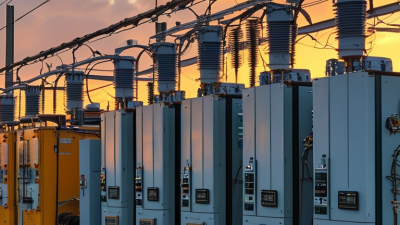
Dry type transformers utilize air for cooling, differentiating them from their oil-immersed counterparts. This design leads to lower risks of fire hazards and makes them suitable for indoor installations. Industry data reveals that the global market for dry type transformers is expected to grow by over 5% annually through 2025, driven by increasing urbanization and infrastructure development. However, the initial cost can be a barrier for some projects, leading to a need for careful financial evaluation.
Many engineers appreciate the efficiency of Types of Dry Type Transformer. Yet, there are challenges like temperature management that require ongoing attention. As technology advances, understanding these systems fully is crucial for optimizing their performance. Balancing costs with benefits remains a central theme in discussions around these transformers, reminding us of their evolving role in sustainable energy solutions.
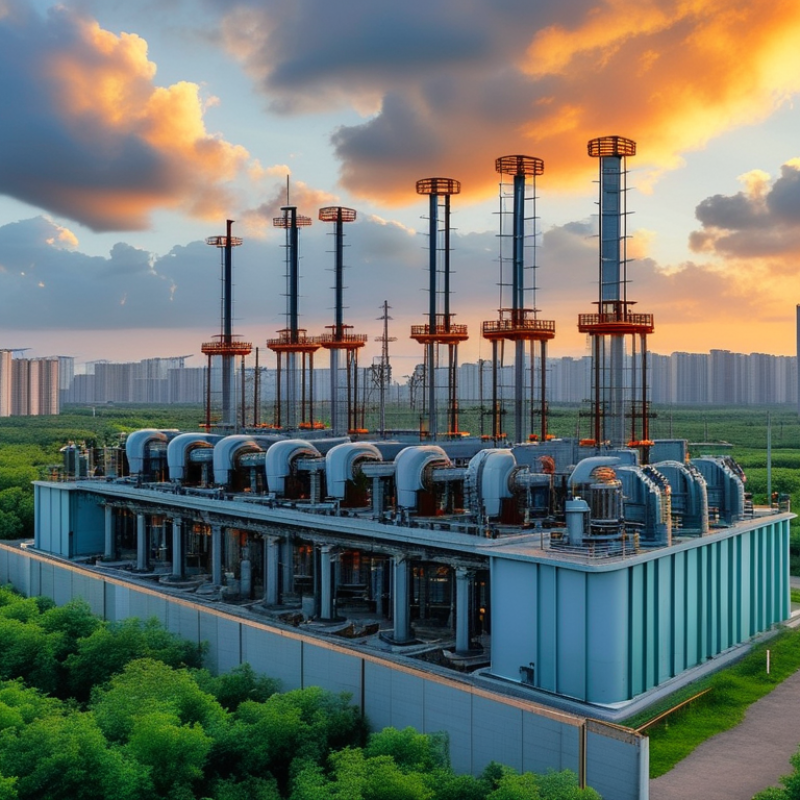
Types of Dry Type Transformers: Overview and Applications
Dry type transformers are essential in electrical distribution systems. They provide safe, reliable power to various applications. These transformers are often used in commercial buildings, industrial facilities, and renewable energy systems. According to industry reports, dry type transformers account for approximately 30% of the global transformer market. This rising trend highlights their growing popularity due to safety and increased efficiency.
There are several types of dry type transformers. Cast resin transformers are known for their excellent thermal performance and moisture resistance. In contrast, air-cooled transformers are more economical and easier to maintain. Statistical data shows that installations of cast resin transformers have increased by 15% in the last five years. This rise reflects a shift towards greater energy efficiency and lower environmental impacts. However, challenges remain. Some users find their initial costs to be too high.
Applications vary significantly for dry type transformers. They are crucial in renewable energy projects, like wind and solar farms. Also, commercial buildings leverage them for HVAC systems and lighting. Performance can vary under different loads, highlighting the need for careful selection to meet specific demands. Understanding these dynamics can guide better decision-making in transformer selections.
Construction and Design Principles of Dry Type Transformers
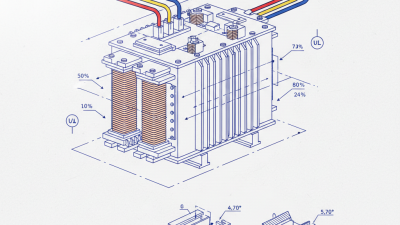
Dry type transformers are essential in power distribution. Their construction revolves around a core and windings, encased in air. Unlike oil-filled transformers, these units utilize air for cooling. This design promotes safety and reliability, especially in urban settings.
The windings are typically made of copper or aluminum. These materials ensure efficiency in energy transfer. The core is often constructed from thin slabs of silicon steel. This helps reduce energy losses. However, the design can be susceptible to overheating under extreme loads.
Installation can be challenging. Space and ventilation must be considered. The air cooling system needs proper airflow. Performance may vary based on environmental conditions. Users should consider these factors to enhance reliability.
Types of Dry Type Transformers and Their Performance Characteristics
Operating Mechanisms: How Dry Type Transformers Function
Dry type transformers are essential components in electrical distribution systems. They function through an air-cooled mechanism, which differs from oil-filled transformers. This design reduces fire hazards and environmental risks. A dry type transformer typically uses epoxy resin insulation. It has excellent dielectric properties, ensuring the system's reliability.
The operating mechanism primarily relies on electromagnetic induction. When alternating current passes through the primary winding, it creates a magnetic field. This field induces voltage in the secondary winding, allowing for power transformation. According to a recent industry report, dry type transformers have a leakage current rate of less than 1%. This low rate is vital for ensuring system safety and performance.
Tips: Regular inspections are crucial. Check connections and insulation regularly to maintain efficiency. Ensure proper ventilation to avoid overheating and prolong transformer life. Budget for more frequent maintenance as these units age. A clear understanding of the operating mechanisms enhances decision-making in transformer selection. Recognizing the limits of dry type transformers can lead to operational improvements.
Advantages and Limitations of Dry Type Transformers in Electrical Systems
Dry type transformers are vital in electrical systems. They have notable advantages and some limitations. Understanding these can help make informed decisions.
One key advantage is safety. Dry type transformers are less likely to catch fire or leak harmful fluids. They are ideal for indoor locations. Additionally, they require less maintenance than oil-filled transformers. Studies indicate reduced downtime by 20% due to lower failure rates. This durability boosts reliability in power distribution.
However, dry type transformers have limitations. They usually have a lower power capacity than oil-filled types. This can restrict their use in large-scale applications. Cooling systems might need extra attention, especially in hot regions. Their initial costs can be higher, which may deter some buyers. It's important to evaluate long-term savings versus upfront expenses.
Tips: Always consult with a qualified electrical engineer. They can guide the best transformer choice for your specific needs. Monitor transformer temperatures regularly to ensure optimal performance. Proper installation is critical for efficiency.
What is Types Of Dry Type Transformer and How Do They Work? - Advantages and Limitations of Dry Type Transformers in Electrical Systems
| Transformer Type |
Working Principle |
Advantages |
Limitations |
| Cast Resin Transformer |
Uses resin-encapsulated windings for insulation and protection against moisture. |
High resistance to humidity, low fire risk, and minimal maintenance. |
Higher initial cost and reduced efficiency at high temperatures. |
| VPI (Vacuum Pressure Impregnated) Transformer |
Windings are impregnated with a resin under vacuum to eliminate voids and enhance insulation. |
Good thermal performance and long lifespan. |
Sensitive to moisture and requires quality manufacturing. |
| Dry Type Transformer with Air Cooling |
Uses natural air circulation to cool the transformer windings. |
Environmentally friendly, with no risk of toxic leaks. |
Requires more space for effective cooling; less suitable for high power applications. |
| Resin-Bonded Transformer |
Utilizes a resin binder to hold the insulation in place, providing structural integrity. |
Excellent thermal stability and resistance to environmental factors. |
Prone to mechanical damage and requires careful handling during installation. |
Industry Standards and Efficiency Ratings for Dry Type Transformers
Dry type transformers are crucial in electrical distribution. They are often selected for their reliability and efficiency. Industry standards dictate how these transformers should perform. For instance, the National Electrical Manufacturers Association (NEMA) sets guidelines that many manufacturers follow to ensure quality. These standards help in assessing the transformer's insulation system and prevent overheating.
Efficiency ratings for dry type transformers are essential for energy management. Most dry type transformers operate at an efficiency of 95% to 98%. This efficiency reduces energy losses significantly. However, some designs struggle to meet these benchmarks. Certain environmental factors can impact performance. High temperatures and humidity can lead to diminished efficiency.
The latest industry reports indicate that adopting advanced materials can enhance efficiency. New insulation technologies lessen heat buildup, improving longevity. However, while these advancements show promise, the initial investment may deter some users. Recognizing the trade-offs is key to optimizing performance and cost-effectiveness in real-world applications.