Leave Your Message
-
Whatsapp
-
Wechat

Explore our premier selection of high-efficiency transformers, meticulously engineered to meet the rigorous demands of modern power grid infrastructures, renewable energy integration, and smart city developments.
The global power grid is undergoing a monumental transformation, driven by an unprecedented surge in electricity demand, the rapid integration of renewable energy sources, and the critical need to replace aging infrastructure. In this dynamic environment, understanding the correct Type Of Transformer For Power Grid Infrastructure is no longer just a technical requirement; it is a fundamental strategic imperative for national energy security and commercial profitability.
Commercially, the transformer market is experiencing explosive growth. Governments worldwide are injecting trillions of dollars into grid modernization to combat climate change and achieve net-zero emission targets. This influx of capital is directly accelerating the deployment of advanced transformers. Industrially, the landscape is shifting from traditional, centralized fossil-fuel power generation to decentralized, bi-directional power flows characteristic of solar, wind, and distributed energy resources (DERs). This paradigm shift places immense stress on legacy transformers, which were originally designed for predictable, one-way power distribution.
Today, utility companies and industrial mega-facilities are demanding transformers that offer more than just voltage step-up or step-down capabilities. They require equipment with ultra-high efficiency to minimize transmission losses over vast distances, robust resilience to handle the harmonic distortions introduced by power electronics, and intelligent monitoring systems to prevent catastrophic failures. The commercial reality is clear: investing in the right type of advanced transformer directly correlates to reduced operational expenditures (OPEX), enhanced grid stability, and the successful onboarding of next-generation energy technologies.
Selecting the optimal Type Of Transformer For Power Grid Infrastructure requires a deep dive into the various classifications, each engineered for specific voltage levels, environmental conditions, and operational loads. The backbone of the grid relies on a synergistic network of these diverse transformer types.
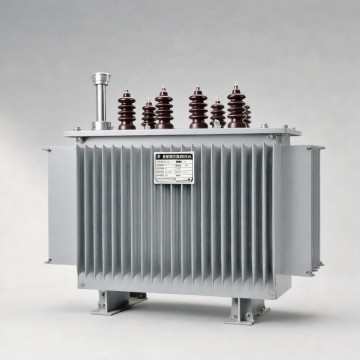
Power transformers are the colossal workhorses of the transmission grid. Located at generating stations, Step-Up transformers elevate the generated voltage (typically 11kV to 33kV) to extremely high transmission voltages (up to 800kV or more). This high-voltage transmission is crucial for minimizing I²R (copper) losses over long distances. Conversely, Step-Down power transformers at receiving substations reduce this high voltage to sub-transmission levels (e.g., 132kV or 66kV). These units are typically oil-immersed, designed for 100% load operation, and engineered to withstand massive electrical and mechanical stresses during short circuits.
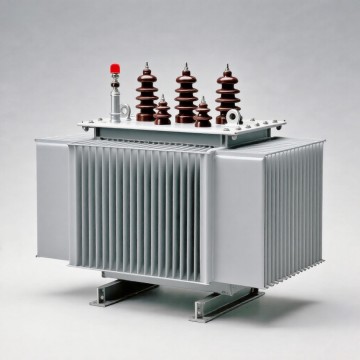
Operating closer to the end-user, distribution transformers step down the sub-transmission voltage to safe, usable levels for residential, commercial, and industrial consumers (e.g., 400V or 230V). Unlike power transformers, distribution transformers often operate at varying loads throughout the day. Therefore, they are designed to have minimal no-load (iron) losses, ensuring high efficiency even when consumer demand is low.
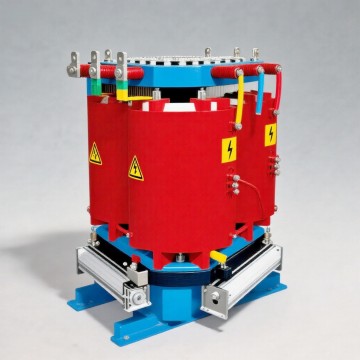
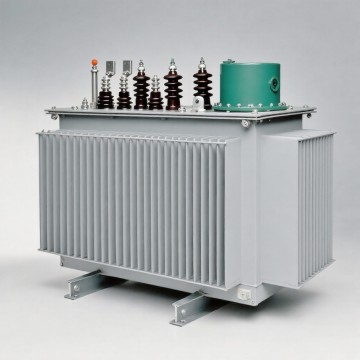
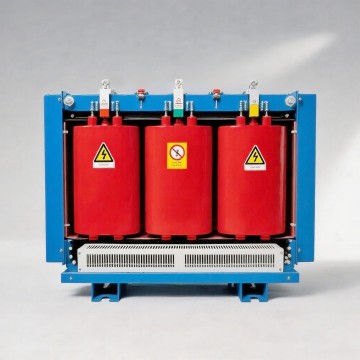
The cooling medium fundamentally dictates the application scenario. Oil-Immersed Transformers utilize mineral or synthetic oil for both insulation and cooling. They are highly efficient, capable of massive power ratings, and are the standard for outdoor substations. However, the flammability of the oil poses risks. Dry-Type Transformers, utilizing cast resin or vacuum pressure impregnation (VPI) for insulation, eliminate the fire hazard and environmental contamination risks associated with oil spills. They are the mandated choice for indoor applications, underground substations, high-rise commercial buildings, and sensitive ecological zones.
Representing the pinnacle of energy-saving technology, amorphous alloy transformers replace the traditional silicon steel core with a metallic glass material. The unique random atomic structure of the amorphous alloy drastically reduces hysteresis and eddy current losses, cutting no-load losses by up to 70-80%. For utility companies managing thousands of distribution nodes, upgrading to this type of transformer yields massive reductions in aggregate grid energy waste, directly contributing to carbon footprint reduction.
The practical deployment of any Type Of Transformer For Power Grid Infrastructure is highly context-dependent. Modern infrastructure presents unique challenges that off-the-shelf solutions can no longer address. Let us dissect some of the most critical and demanding application scenarios driving transformer innovation today.
Renewable energy generation is inherently volatile. Solar arrays experience rapid load changes due to cloud cover, while wind turbines must cope with fluctuating wind speeds. Transformers in these environments, particularly ON-Load Capacity-Changing Transformers, must seamlessly manage these extreme voltage variations without interrupting the power flow. Furthermore, offshore wind farm transformers require specialized anti-corrosive coatings, hermetically sealed designs, and vibration-resistant structures to survive harsh marine environments.
As global urbanization accelerates, smart cities demand high-density power distribution within severely constrained physical footprints. Triangular Three-Dimensional Wound Core Dry-Type Transformers are becoming the standard here. Their compact footprint, low noise emission, and absolute fire safety allow them to be installed directly inside commercial skyscrapers, beneath public transportation hubs, and within densely populated residential blocks. They are critical nodes in the urban smart grid, often equipped with sensors to communicate load data back to centralized city management systems.
Modern manufacturing plants (like gigafactories for EV batteries) and hyperscale data centers require uncompromising power reliability. Even a millisecond drop in voltage can result in millions of dollars in lost production or data corruption. These facilities deploy specialized heavy-duty transformers designed to mitigate harmonic distortions generated by thousands of servers and automated robotic arms. Amorphous alloy transformers are heavily favored in data centers to minimize continuous energy waste, directly improving the facility's Power Usage Effectiveness (PUE) metrics.
The proliferation of ultra-fast EV charging stations introduces massive, unpredictable peak loads to the local distribution grid. When multiple vehicles plug into 350kW DC fast chargers simultaneously, the localized stress is immense. Grid operators are deploying heavily reinforced distribution transformers and smart substations capable of dynamic load balancing and thermal management to prevent localized grid collapse during peak charging hours.
The evolution of the Type Of Transformer For Power Grid Infrastructure is accelerating rapidly, moving away from purely passive electromagnetic devices towards highly intelligent, active grid components. The future of power distribution is defined by digitalization, sustainability, and solid-state technology.
Digitalization and Smart Transformers: The integration of IoT (Internet of Things) sensors, AI-driven analytics, and Digital Twin technology is revolutionizing maintenance. Future transformers will continuously monitor their own dissolved gas levels, temperature gradients, and acoustic signatures. AI algorithms will predict potential failures months before they occur, shifting the industry from reactive repairs to predictive maintenance, thereby drastically reducing grid downtime.
Eco-Friendly Materials: As environmental regulations tighten, the industry is moving away from traditional mineral oils. The future lies in biodegradable, natural, and synthetic ester fluids. These fluids not only eliminate the risk of toxic spills but also possess higher flash points, significantly enhancing the fire safety of large-scale power transformers.
Solid-State Transformers (SSTs): Perhaps the most disruptive trend is the development of Solid-State Transformers. Utilizing advanced high-power semiconductor electronics (like Silicon Carbide), SSTs can actively manage bi-directional power flow, regulate voltage instantaneously, and easily interface between AC and DC grids. As microgrids and DC-based renewable systems proliferate, SSTs will become the ultimate smart router for the future electrical internet.
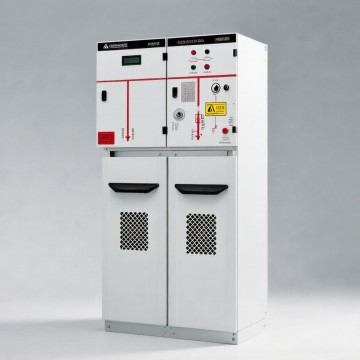
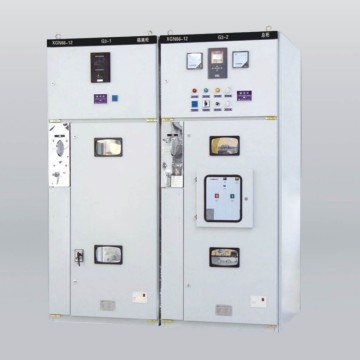
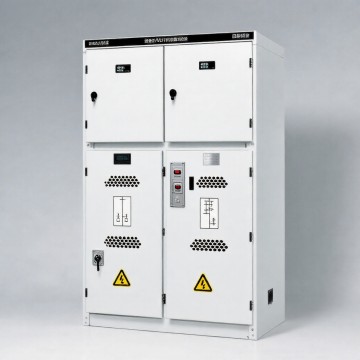
Hangbian Electric Power Technology Co., Ltd. is a high-tech enterprise integrating research and development, design, production, sales, and service. The company boasts strong technical capabilities and advanced production testing equipment, specializing in the manufacture of power transformers, pre-fabricated substations, box-type substations, high-voltage KYN28-12 indoor switchgear, high-voltage KYN28-24 indoor switchgear, high-voltage KYN6 1-40.5 indoor switchgear, DRM-12/CFV gas-insulated switchgear, GTXGN15-12 solid-insulated ring main units, XGN-12 ring main units, DFW.12 outdoor switchgear: GCS, GCK, MNS, and GGD low-voltage switchgear; XL-21, JP cabinets, PZ30, various non-standard boxes, control boxes, and other series products as a modern enterprise.
The company has been rated as an "AAA" credit enterprise by the financial system for many consecutive years, recognized as a provincial technology-based small and medium-sized enterprise, a national high-tech enterprise, and has achieved "A" grade credit status in Zhejiang Province for "Contract Compliance and Creditworthiness." It has successively passed 1SO9001 international quality system, ISO14001 environmental management system, OHSAS18001 occupational health and safety system, CCC, CQC product certifications, as well as testing reports for power transformers, low and high-voltage complete testing reports, and national high-voltage transmission and distribution type tests. The company has established a modern enterprise management system and a comprehensive quality assurance system.
Hangbian Electric Power Technology Co., Ltd. is committed to the pursuit of excellence, the implementation of 6S management, SFC-MES lean integrated manufacturing execution system, and the pursuit of "zero defects, stable lean quality". The company adheres to the concept of people-oriented and sustainable development, focuses on attracting and cultivating highly educated and high-quality technical management talents, and has established a professional R&D team, an elite sales team and a caring after-sales service team. Hangbian Power Technology Co., Ltd. has a clear positioning, aims to create a high-quality brand, emphasizes "endless innovation and endless service", and the unremitting pursuit of quality and innovation drives the company to move forward continuously, ensuring that the company is always in a leading position in the industry, while providing customers with excellent value.
Discover our full range of advanced electrical equipment, designed to empower every segment of the modern power distribution network.