Leave Your Message
-
Whatsapp
-
Wechat

The global transportation landscape is undergoing a monumental transformation, driven by the urgent need for sustainable, efficient, and high-capacity mobility solutions. At the absolute core of this revolution lies the electrical infrastructure that powers it. The Low Voltage Switchgear Series For Transport And Rail Systems is not merely a collection of electrical components; it is the central nervous system of modern transit networks. These advanced power distribution units are responsible for ensuring that critical systems—ranging from traction substations and signaling arrays to passenger station lighting, ventilation, and emergency protocols—operate with absolute reliability.
In the context of rail and transport systems, electrical failure is not an option. A momentary lapse in power can lead to catastrophic disruptions, compromising passenger safety and cascading into massive logistical delays. Low voltage switchgear acts as the primary line of defense, providing essential circuit protection, fault isolation, and dynamic load management. By continuously monitoring electrical currents and instantly isolating faults, these systems prevent short circuits and overloads from damaging sensitive railway infrastructure. Modern switchgear tailored for the transport sector is specifically engineered to withstand the unique mechanical vibrations, electromagnetic interference (EMI), and fluctuating thermal conditions inherent to heavy rail operations.
Furthermore, as rail networks become increasingly digitized, the role of low voltage switchgear has expanded beyond simple power distribution. Today’s switchgear integrates seamlessly with Supervisory Control and Data Acquisition (SCADA) systems, providing real-time telemetry data that allows operators to monitor grid health, optimize energy consumption, and ensure continuous operational readiness across thousands of miles of track.
The commercial market for railway electrical infrastructure is currently experiencing unprecedented growth. Accelerated by global urbanization and stringent environmental regulations aimed at reducing carbon footprints, governments and private consortiums worldwide are injecting trillions of dollars into public transit systems. The shift from diesel-powered locomotives to fully electrified high-speed rail (HSR) and urban metro systems is the primary catalyst driving the demand for specialized low voltage switchgear.
From an industrial perspective, the operational expenditure (OPEX) associated with maintaining vast rail networks is a major concern for transit authorities. Traditional power distribution models required extensive manual inspections and suffered from unpredictable lifecycle degradation. Today, the commercial imperative is to deploy smart switchgear solutions that drastically reduce downtime and maintenance costs. Transit operators demand equipment that complies with stringent international standards, such as IEC 61439, ensuring high levels of RAMS (Reliability, Availability, Maintainability, and Safety).
Moreover, the integration of renewable energy sources into transport hubs is reshaping the industrial landscape. Modern railway stations are evolving into microgrids, incorporating solar panels, regenerative braking energy capture systems, and large-scale battery storage. Low voltage switchgear must now manage bi-directional power flows, intelligently routing surplus energy generated by decelerating trains back into the grid or storage systems. This level of commercial sophistication requires switchgear that is not only robust but highly adaptable, capable of supporting the complex energy architectures of tomorrow's smart cities.
Supply chain resilience and localized manufacturing have also become critical commercial factors. High-tech enterprises are heavily investing in localized R&D to produce compact, modular, and easily deployable switchgear that can be installed during narrow nighttime maintenance windows, thereby ensuring zero disruption to daytime passenger services.
High-Speed Rail systems are the pinnacle of modern transport engineering, demanding immense and highly stable power supplies. Low voltage switchgear in HSR environments is primarily utilized within traction substations to manage auxiliary power. These systems must handle extreme dynamic loads as trains accelerating to speeds exceeding 300 km/h draw massive power surges. The switchgear ensures that critical safety systems, trackside signaling, and tunnel ventilation mechanisms receive uninterrupted power, even during severe grid fluctuations or transient overvoltages.
Additionally, switchgear deployed along HSR corridors must be heavily shielded against electromagnetic interference (EMI) generated by high-voltage overhead catenary lines, ensuring that delicate control microprocessors function flawlessly.
Space is the most critical constraint in underground metro environments. Consequently, switchgear used in subway systems must feature an ultra-compact, highly integrated footprint without compromising on capacity. These environments also pose severe fire risks; therefore, switchgear must be constructed using halogen-free, flame-retardant materials and feature advanced internal arc-proof designs to prevent catastrophic fires in confined tunnels.
In metro stations, low voltage switchgear manages everything from heavy-duty escalators and automated platform screen doors to life-safety systems like emergency lighting and smoke extraction fans. The ability to instantly switch to backup generator power via automated transfer switches (ATS) is a mandatory requirement in these setups.
Unlike heavy rail, Light Rail Transit and tramways are deeply integrated into pedestrian-heavy urban landscapes. Switchgear cabinets for LRT are often installed directly on city streets or integrated into municipal infrastructure. This requires the equipment to possess high Ingress Protection (IP) ratings to withstand harsh weather, urban pollution, and potential vandalism.
Furthermore, aesthetic integration and low acoustic noise emissions are critical. The switchgear must operate silently while efficiently managing the DC traction power rectification processes and distributing low voltage AC power to intersection signaling and tram stop amenities.
Automated People Movers (APMs) at major international airports require 24/7/365 operational availability. Switchgear in these environments is highly redundant, often employing dual-busbar configurations to guarantee continuous power. In contrast, freight rail terminals operate in harsh, industrial environments with heavy dust and vibration. Switchgear here must be ruggedized to control massive gantry cranes, railcar shunters, and expansive yard lighting systems, ensuring that global supply chains remain uninterrupted.
The intersection of electrical engineering and digital technology is rapidly reshaping the capabilities of low voltage switchgear in the transport sector. As rail operators demand higher efficiency and predictive capabilities, several key technological trends have emerged to dominate the industry.
The era of reactive maintenance is over. Next-generation switchgear is embedded with advanced IoT sensors that continuously monitor critical parameters such as busbar temperature, ambient humidity, circuit breaker mechanical wear, and partial discharge phenomena. Artificial Intelligence algorithms analyze this telemetry data in real-time, identifying micro-anomalies that precede equipment failure. By utilizing AI-driven predictive maintenance, rail operators can schedule part replacements during planned downtime, completely eliminating unexpected power outages and significantly extending the lifespan of the electrical infrastructure.
Historically, Sulfur Hexafluoride (SF6) was widely used as an insulating gas in switchgear due to its excellent dielectric properties. However, SF6 is a potent greenhouse gas. The current environmental trend, heavily mandated by international climate policies, is the rapid transition towards environmentally-friendly gas-insulated switchgear (GIS) and solid-insulated technologies. Modern switchgear utilizes clean air, dry air, or innovative fluoroketone gas mixtures, offering the same compact footprint and arc-quenching capabilities as SF6 without the devastating ecological impact. This is particularly crucial for green transit initiatives aiming for net-zero emissions.
The concept of the "Digital Twin" is revolutionizing how rail power systems are designed and managed. Manufacturers now create exact virtual replicas of the switchgear and the broader rail electrical network. This allows engineers to simulate load changes, short-circuit events, and grid expansions in a virtual environment before physical deployment. Digital twins facilitate rapid troubleshooting and optimize the configuration of protective relays, ensuring that the physical switchgear performs flawlessly from the moment it is energized.
Given the strict operational schedules of modern rail networks, maintenance windows are incredibly narrow—often restricted to a few hours during the night. To accommodate this, modern low voltage switchgear is designed with highly modular, plug-and-play architectures. Draw-out circuit breakers and removable functional units allow technicians to safely isolate and replace a faulty module in a matter of minutes, rather than hours, thereby drastically improving the Mean Time To Repair (MTTR) and ensuring the transit system is fully operational by morning.
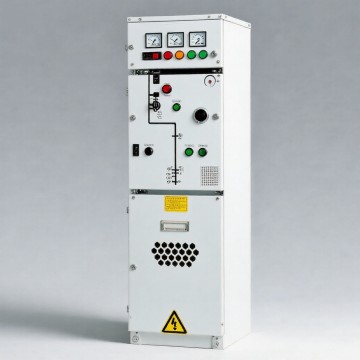
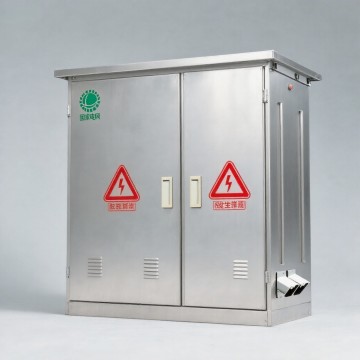
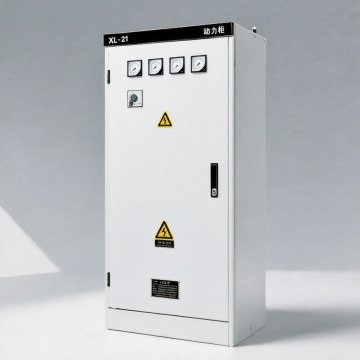
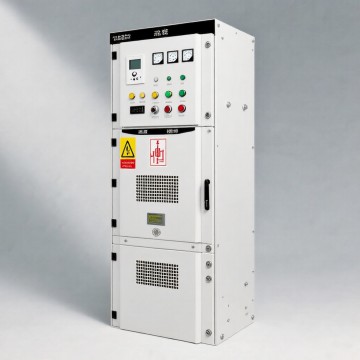
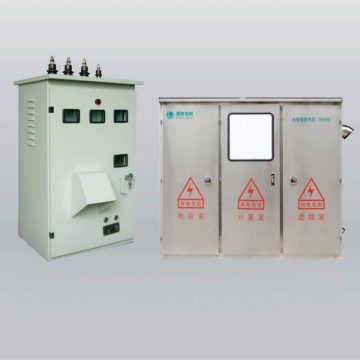
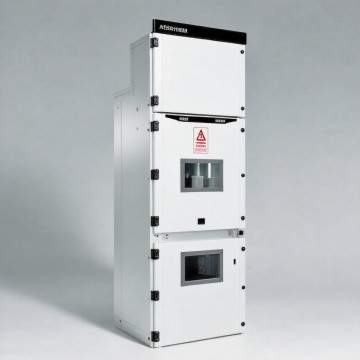
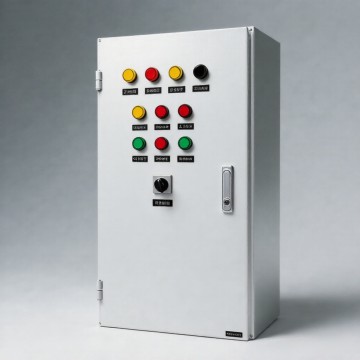
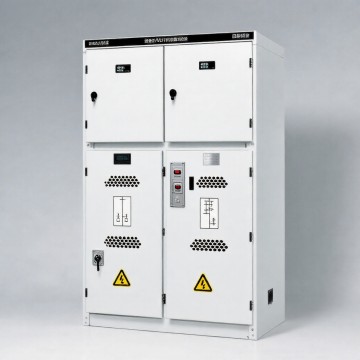
Hangbian Electric Power Technology Co., Ltd. is a premier high-tech enterprise integrating research and development, design, production, sales, and service. The company boasts formidable technical capabilities and utilizes the most advanced production and testing equipment available globally. We specialize in the manufacture of a comprehensive suite of power solutions critical to the transport sector, including power transformers, pre-fabricated substations, box-type substations, high-voltage KYN28-12 and KYN28-24 indoor switchgear, high-voltage KYN61-40.5 indoor switchgear, DRM-12/CFV gas-insulated switchgear, GTXGN15-12 solid-insulated ring main units, XGN-12 ring main units, and DFW.12 outdoor switchgear. Our low-voltage portfolio, highly sought after in rail applications, includes GCS, GCK, MNS, and GGD low-voltage switchgear; XL-21, JP cabinets, PZ30, various non-standard boxes, and control boxes.
Our commitment to excellence and reliability—non-negotiable traits in the railway industry—is reflected in our corporate accolades. The company has been rated as an "AAA" credit enterprise by the financial system for many consecutive years, recognized as a provincial technology-based small and medium-sized enterprise, and a national high-tech enterprise. We have achieved "A" grade credit status in Zhejiang Province for "Contract Compliance and Creditworthiness." To guarantee the absolute safety of our transport infrastructure products, we have successively passed the ISO9001 international quality system, ISO14001 environmental management system, and OHSAS18001 occupational health and safety system certifications. Furthermore, our products hold CCC and CQC certifications, backed by comprehensive testing reports for power transformers, low and high-voltage complete testing reports, and national high-voltage transmission and distribution type tests.
Hangbian Electric Power Technology Co., Ltd. is deeply committed to the pursuit of operational excellence, implementing rigorous 6S management and the SFC-MES lean integrated manufacturing execution system. Our ultimate goal is the pursuit of "zero defects, stable lean quality"—a philosophy perfectly aligned with the zero-tolerance failure environment of modern rail systems. Adhering to the concept of people-oriented and sustainable development, we have established a professional R&D team, an elite sales team, and a highly responsive after-sales service team. With a clear positioning to create a high-quality global brand, we emphasize "endless innovation and endless service." This unremitting pursuit of quality and innovation ensures that Hangbian remains in a leading position in the industry, continuously providing transit authorities and rail operators with unparalleled value and unwavering power reliability.